

7 Signs Your Heating Oil Tank May Need Replacing
7 Signs Your Heating Oil Tank Needs Replacing Before Winter
Your heating oil tank is one of the most important parts of your home heating setup. If it is old, damaged, unstable or starting to show signs of wear, it could put your heating supply at risk when you need it most.
A failing tank is not just inconvenient. It can lead to oil leaks, environmental damage, expensive repairs and disruption during the colder months. Certas Energy notes that many heating oil tanks can last around 20 years, but older tanks should be checked more carefully for damage, leaks and spill risks. Moorland Fuels also highlights age, rust, leaks and reduced performance as common reasons to consider replacement.
Here are seven warning signs that your heating oil tank needs replacing.
1. Visible Cracks or Splits
Cracks are one of the clearest signs that your oil tank may no longer be safe to use. On plastic tanks, cracks can appear because of age, weather exposure, ground movement or long-term stress on the tank body.
Small cracks may not look serious at first, but they can quickly worsen during colder weather. Freezing temperatures, heavy rain and repeated expansion and contraction can all place extra strain on the tank. If you notice cracks, splits or surface damage, it is worth arranging a professional inspection as soon as possible.
A cracked domestic oil tank should never be ignored, especially if it is close to buildings, drains, boundaries or water sources.
2. Rust or Surface Corrosion
Rust is usually associated with steel tanks, but any visible corrosion around fittings, pipework, supports or metal components should be taken seriously.
Warning signs include:
red or orange staining
flaking paint
pitted metal
discoloured patches
corrosion around seams, legs or fittings
Rust can weaken the tank structure over time. If it spreads, it may eventually lead to leaks or make the tank unsuitable for safe continued use. If your tank is showing significant rust, it may be more cost-effective to arrange an oil tank replacement rather than trying to keep repairing an ageing system.
3. Oil Leaks, Stains or Strong Smells
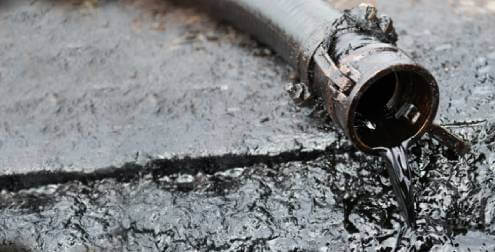
Any sign of oil escaping from the tank should be treated as urgent. Look around the base of the tank, pipework, filters, valves and fill points for dark stains, wet patches or oily residue.
You may also notice a strong oil smell around the tank area. Even if you cannot see a visible puddle, a persistent odour can suggest a leak or seepage from the tank, fittings or pipework.
Certas Energy advises homeowners to regularly check for spills and leaks and to keep an eye on pipework as part of routine tank checks. If you spot oil staining or suspect a leak, do not wait until winter demand increases. Arrange a professional assessment straight away.
For replacement support, servicing guidance and professional advice, you can visit Oil Tanks Plus.
4. Bulging, Warping or Distortion
A healthy tank should keep its proper shape. If the sides are bulging, bowing, sagging or twisting, this can be a warning sign that the structure has weakened.
Plastic oil tanks can become distorted through age, poor support, prolonged exposure to sunlight, incorrect installation or ground movement beneath the base. Once a tank has started to lose its shape, it may no longer be safe to rely on, particularly when full.
Bulging is especially important to check before winter because tanks are often filled ahead of colder months. A weakened tank under the weight of a fresh delivery could become a serious risk.
5. An Unstable or Uneven Base
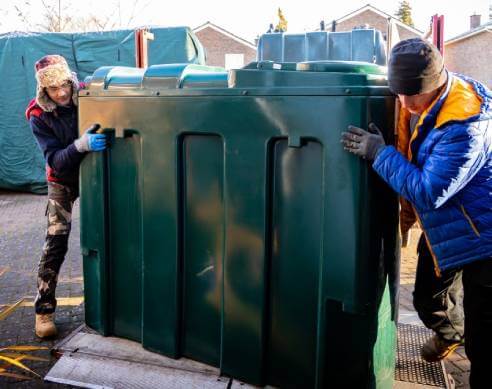
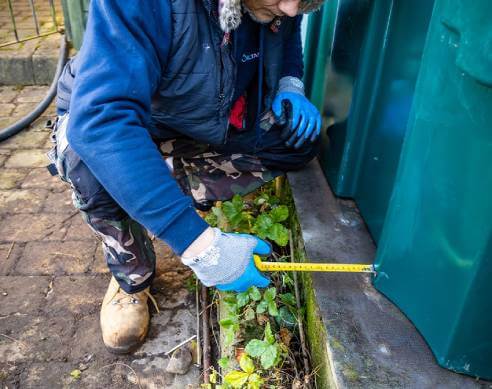
Your oil tank should sit on a solid, level and suitable base. If the base is cracked, sinking, leaning, eroded or poorly supported, the tank may become unstable.
An uneven base can put pressure on one side of the tank, increasing the risk of distortion, cracking or pipework strain. Certas Energy includes keeping the tank on a solid level surface as part of its heating oil tank checklist.
Check for:
leaning or tilting
cracks in the base
movement under the tank
soft or eroded ground
unsupported edges
water pooling around the base
If the tank base is failing, the tank may need to be moved, reinstalled or replaced depending on its condition and location.
6. Damaged Pipework, Fittings or Gauges
The tank itself is only one part of the system. Pipework, valves, gauges, filters, vents and fill points also need to be in good condition.
Damaged pipework can cause fuel delivery issues, leaks or inefficient heating performance. Faulty gauges can also create problems because they may give inaccurate readings or increase the risk of overfilling.
Look for signs such as:
cracked pipework
rusty fittings
loose connections
damaged filters
faulty gauges
oil staining around joints
missing or insecure caps
If your tank is older and the surrounding components are deteriorating too, this may be a sign that a full oil tank installation is the better long-term option.
7. The Tank Is Old or No Longer Worth Repairing
Age alone does not always mean a tank must be replaced, but it should make you more cautious. Moorland Fuels states that the average oil tank will usually last somewhere between 15 and 20 years, and recommends professional checks as the tank gets older.
If your tank is over 15 years old and showing several warning signs, replacement may be safer and more cost-effective than repeated repairs.
You should also consider replacement if:
the tank has needed multiple repairs
it no longer meets your property’s needs
it is a single skin tank in a higher-risk location
it is close to drains, watercourses or vulnerable areas
it fails an inspection
your installer recommends a modern bunded replacement
Modern bunded oil tanks provide secondary containment, helping reduce the risk of oil escaping into the surrounding environment. Certas Energy explains that bunded tanks have an inner tank and outer protective layer, with the outer tank helping contain fuel if a leak or spillage occurs.
You can view suitable replacement options through the Oil Tanks Plus oil tank range.
Why You Should Check Your Oil Tank Before Winter
Winter is one of the worst times to discover that your oil tank is damaged. Colder weather usually means higher heating demand, more frequent fuel deliveries and less flexibility if emergency work is needed.
Checking your tank before winter gives you time to:
arrange an inspection
compare replacement options
avoid emergency callouts
reduce leak risks
prepare for heating oil deliveries
make sure the base and pipework are safe
protect your home heating supply
It also means you can deal with any issues before poor weather makes access more difficult.
Should You Repair or Replace Your Oil Tank?
Not every issue means immediate replacement. Minor component problems may be repairable if the tank itself is sound. However, if the tank body is cracked, badly rusted, distorted, leaking or sitting on an unsafe base, replacement is often the safer route.
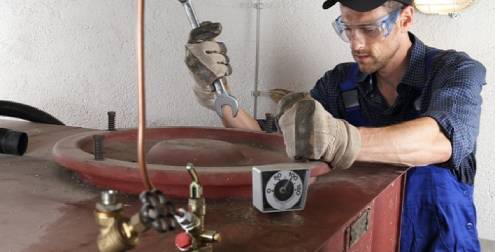
A professional can assess the tank, its location, the base, pipework and any compliance concerns. They can also advise whether a new bunded tank would be more suitable for your property.
For additional guidance, Moorland Fuels has a helpful article on signs your oil tank needs replacing, while Certas Energy provides a useful overview of heating oil tank replacement.
Final Thoughts
If your heating oil tank needs replacing, it is always better to act before winter rather than wait for a leak, delivery issue or heating failure. Cracks, rust, corrosion, leaks, bulging, unstable bases and damaged pipework are all warning signs that should be taken seriously.
A well-maintained tank helps protect your heating supply, your property and the surrounding environment. If you are unsure whether your current tank is still suitable, arrange a professional inspection and explore replacement options before the colder months arrive.
For expert support, replacement advice and a wide selection of oil tanks, visit Oil Tanks Plus or browse the full oil tank range.
Share This: