

How Often Should a Bunded Oil Tank Be Replaced?
How Often Should You Replace a Bunded Oil Tank? A Detailed UK Guide
If your property relies on heating oil, your oil tank is one of the most important pieces of infrastructure you own. Knowing when to replace a bunded oil tank is not just a matter of convenience — it’s critical for safety, environmental protection, insurance compliance, and long-term cost control.
Bunded oil tanks are designed to be robust and long-lasting, but they are not permanent. Over time, materials degrade, regulations evolve, and environmental exposure takes its toll. Failing to replace an ageing or non-compliant oil tank can lead to leaks, contamination, expensive clean-up costs, and even legal consequences.
In this comprehensive guide, we’ll cover:
-
What a bunded oil tank is and why it’s essential
-
How long bunded oil tanks typically last
-
Factors that affect oil tank lifespan
-
Maintenance habits that can extend tank life
-
Warning signs that indicate replacement is necessary
-
UK oil tank replacement regulations
-
How to choose the right replacement tank
By the end, you’ll have a clear understanding of how to manage your bunded oil tank responsibly and confidently.
What Is a Bunded Oil Tank?
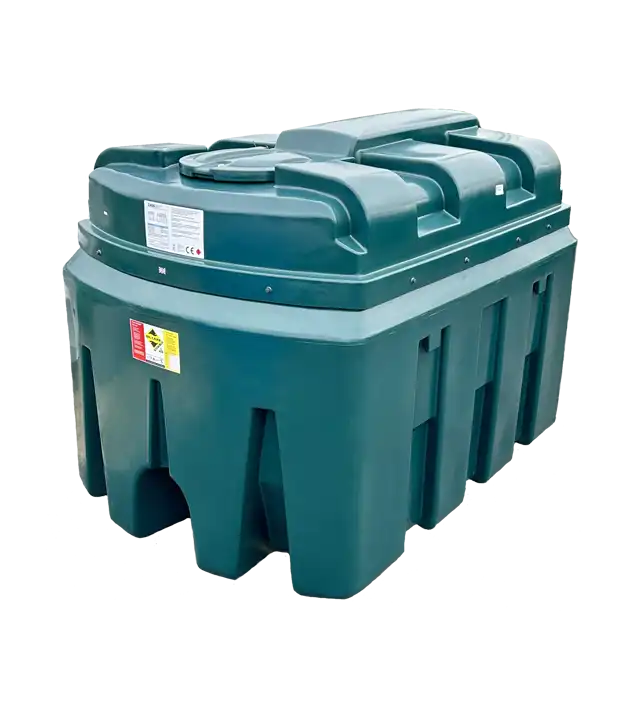
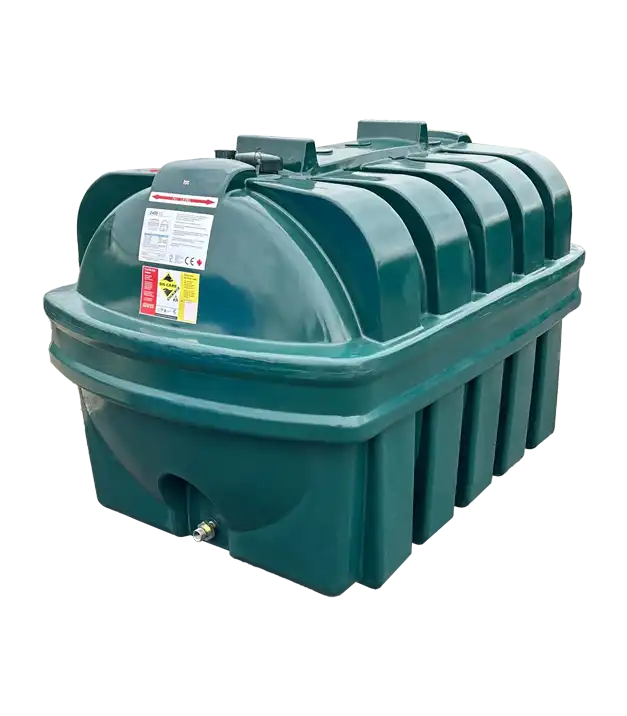
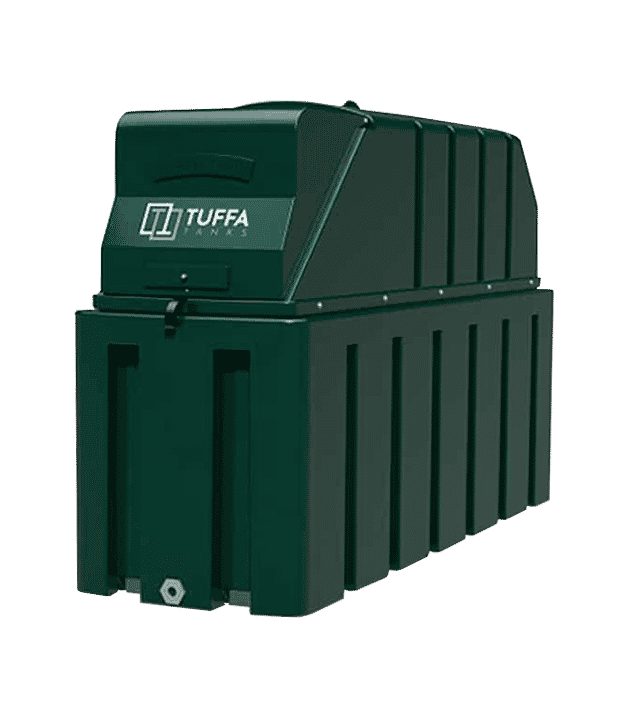
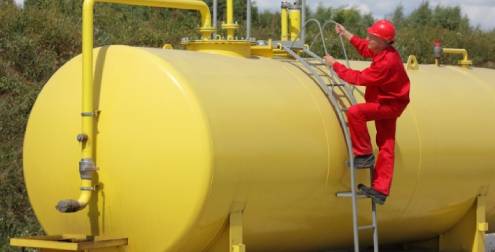
A bunded oil tank is a double-walled oil storage tank designed to reduce the risk of environmental pollution. It consists of:
-
An inner tank that stores the heating oil
-
An outer tank (the bund) that acts as secondary containment
If the inner tank fails due to corrosion, cracking, or impact damage, the outer bund captures the oil, preventing it from leaking into the surrounding ground, drains, or watercourses.
Because heating oil is classified as a pollutant, bunded tanks are widely regarded as the safest and most responsible option for oil storage — and in many cases, they are legally required under UK regulations.
Why Oil Tank Replacement Matters More Than You Think
Replacing an oil tank isn’t just about age — it’s about risk management.
A failed oil tank can cause:
-
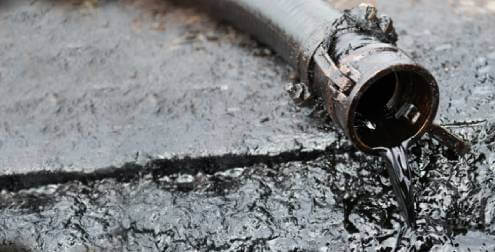
Soil and groundwater contamination
-
Damage to nearby buildings
-
Costly environmental clean-up bills (often tens of thousands of pounds)
-
Insurance claims being refused
-
Regulatory enforcement action
In many cases, the cost of replacing an oil tank proactively is far lower than the cost of dealing with a leak or spill.
How Long Do Bunded Oil Tanks Last?
The most common question homeowners ask is:
“How long should a bunded oil tank last?”
On average, bunded oil tanks last between 15 and 30 years, depending on the material, installation conditions, and maintenance.
For a detailed, industry-backed breakdown, Oil Tank Supermarket provides an excellent overview here:
https://www.oiltanksupermarket.co.uk/how-long-bunded-oil-tanks-last/
Let’s explore the main tank types in more detail.
Plastic (Polyethylene) Bunded Oil Tanks
Average lifespan: 15–25 years
Plastic bunded oil tanks are extremely popular in the UK due to their lightweight design and resistance to corrosion.
Advantages
-
Won’t rust or corrode
-
Lighter and easier to install
-
Lower maintenance requirements
Potential drawbacks
-
UV exposure can cause material degradation over time
-
Brittle cracking may occur as plastic ages
-
Temperature fluctuations can accelerate wear
With good installation and protection from prolonged sunlight, plastic bunded tanks can perform reliably for decades.
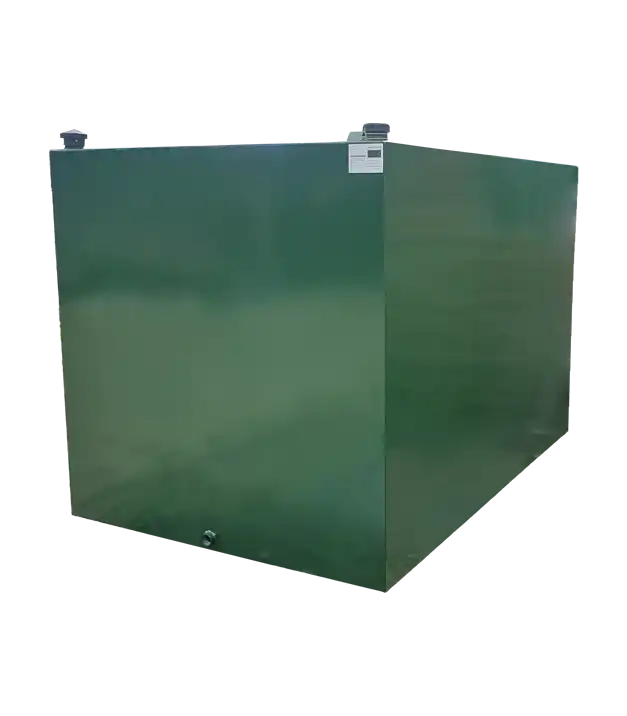
Steel Bunded Oil Tanks
Average lifespan: 20–30 years
Steel bunded oil tanks are known for their strength and durability, particularly in commercial or agricultural settings.
Advantages
-
Very strong and impact-resistant
-
Suitable for high-capacity storage
-
Longer potential lifespan with proper care
Potential drawbacks
-
Susceptible to rust if protective coatings fail
-
Moisture build-up can accelerate corrosion
-
Requires more frequent inspections
Steel tanks can outlast plastic tanks, but only when corrosion is carefully managed.
Factors That Affect the Lifespan of a Bunded Oil Tank
Even the best-quality oil tank won’t reach its maximum lifespan if conditions are poor. Several factors can significantly shorten or extend tank life.
1. Installation Quality
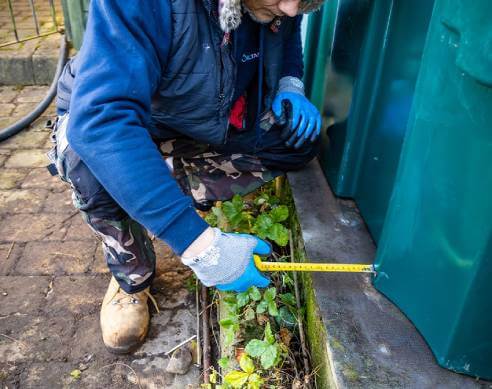
A tank installed on uneven or unstable ground may warp or crack over time. Poor installation is one of the most common causes of premature tank failure.
2. Location and Exposure
-
Constant sunlight can degrade plastic tanks
-
Standing water can accelerate steel corrosion
-
Coastal or damp environments increase wear
3. Usage Patterns
Frequent refilling, rapid temperature changes, and long periods of low oil levels can place stress on the tank walls.
4. Maintenance Routine
Neglected tanks often fail years earlier than well-maintained ones.
Maintenance Habits That Extend Oil Tank Life
While maintenance won’t prevent eventual replacement, it can significantly delay it.
Key best practices include:
-
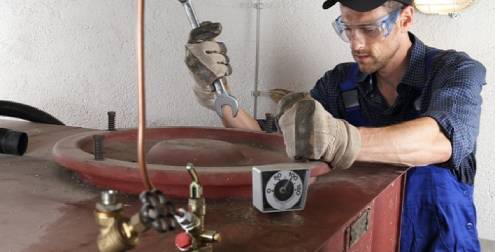
Inspecting the tank at least twice per year
-
Keeping the area around the tank clear
-
Checking for cracks, bulging, or corrosion
-
Ensuring the bund remains clean and intact
-
Monitoring fittings, valves, and pipework
Early detection of minor issues can prevent major failures and allow you to plan replacement rather than react to an emergency.
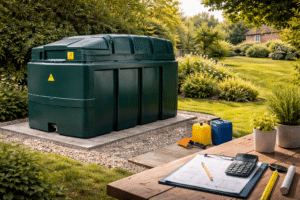
Warning Signs It’s Time to Replace Your Bunded Oil Tank
Some signs should never be ignored. If you notice any of the following, replacement should be considered urgently.
Cracks or Splits
Visible cracking in either the inner tank or bund compromises containment and significantly increases leak risk.
Rust and Corrosion
For steel tanks, rust — especially at seams, welds, or the base — is a serious indicator of structural weakness.
Bulging or Deformation
Bulging sides may suggest internal pressure issues or material fatigue.
Bund Failure
If the bund cannot fully contain a leak, the tank no longer meets safety requirements.
Strong Oil Smells
Persistent oil odours around the tank may indicate a slow leak.
UK Regulations and Oil Tank Replacement
Oil storage in the UK is governed by environmental regulations designed to prevent pollution. Tanks that are damaged, outdated, or incorrectly installed must be replaced, not repaired.
If you’re unsure about your obligations, this guide from The Heating Hub offers a clear overview of oil tank replacement regulations:
https://www.theheatinghub.co.uk/oil-tank-replacement-regulations-guide
Replacement may be required if:
-
The tank no longer meets current standards
-
Structural integrity is compromised
-
The bund is inadequate
-
Installation location is no longer compliant
Ignoring regulatory requirements can result in enforcement action and insurance complications.
When Should You Replace a Bunded Oil Tank?
As a general rule, you should strongly consider replacement if:
-
Your tank is over 20 years old
-
Visible deterioration is present
-
Regulations have changed since installation
-
You’re experiencing repeated maintenance issues
Planning replacement in advance allows you to choose the right tank without pressure and avoid emergency situations.
Choosing the Right Replacement Bunded Oil Tank
Replacing your oil tank is an opportunity to upgrade safety, capacity, and compliance.
At Oil Tanks Plus, we supply a wide range of modern bunded oil tanks designed to meet current UK standards and suit a variety of properties. Explore our full bunded oil tank range on our website.
When choosing a replacement tank, consider:
-
Required capacity
-
Available space
-
Material preference (plastic or steel)
-
Installation environment
-
Future fuel usage
Selecting the right tank ensures long-term reliability and peace of mind.
The Cost of Replacing vs Not Replacing
While replacing a bunded oil tank represents an upfront cost, delaying replacement can be far more expensive.
Potential costs of tank failure include:
-
Environmental clean-up
-
Ground remediation
-
Property repairs
-
Increased insurance premiums
-
Legal and regulatory penalties
In contrast, planned replacement allows you to budget, compare options, and avoid disruption.
Final Thoughts: Take Control of Your Oil Tank Safety
Knowing how often to replace a bunded oil tank empowers you to protect your property, the environment, and your finances. While most tanks last many years, deterioration is inevitable — and proactive replacement is always safer than reactive repair.
With regular inspections, good maintenance, and awareness of warning signs, you can plan replacement at the right time and avoid unnecessary risk.
If you’re considering replacing your bunded oil tank or want expert advice, get in contact. Oil Tanks Plus is always here to help.
Share This: