









What’s the Difference Between a Bunded Oil Tank and Single Skin Oil Tank?
Bunded vs Single Skin Oil Tanks: Which Is Right for Your Property?
Choosing the right oil storage tank is a crucial decision for homeowners, landlords, and businesses that rely on heating oil. One of the most common questions people ask is: “Should I choose a bunded or single skin oil tank?”
Both tank types have their place, but the correct choice depends on factors such as location, environmental risk, regulations, and long-term costs. In this guide, we explain the key differences between bunded oil tanks and single skin oil tanks, helping you make an informed, compliant, and cost-effective decision.
What Is the Difference Between A Bunded and Single Skin Oil Tank?
Understanding how each tank is constructed is the first step to choosing the right solution.
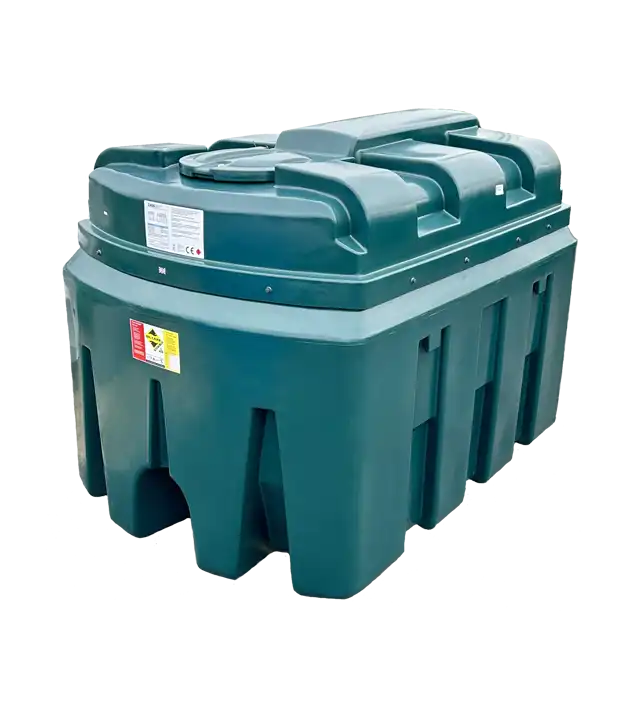
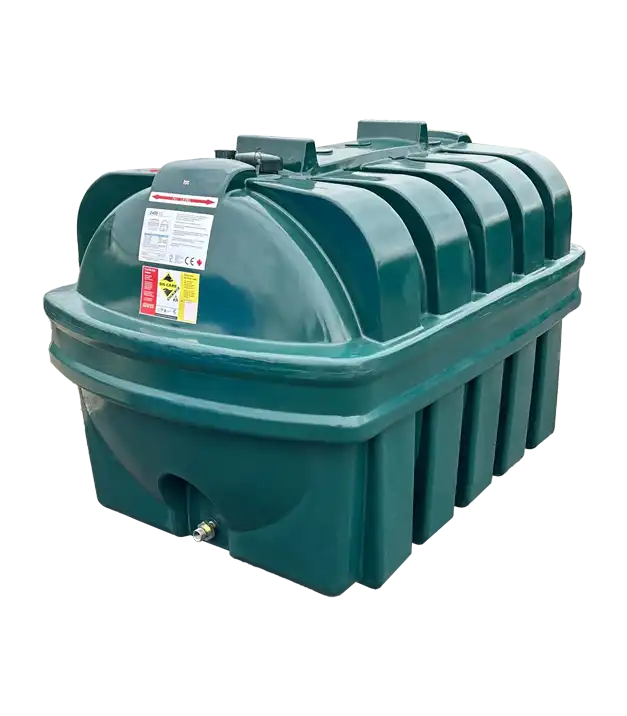
Bunded Oil Tanks Explained
A bunded oil tank features a double-layer design:
-
An inner tank that stores the oil
-
An outer bund that acts as secondary containment
If the inner tank leaks or fails, the outer bund captures the oil, preventing ground contamination and environmental damage. This makes bunded tanks the preferred option for many UK installations, especially in residential and commercial settings.
Industry experts agree that bunded tanks provide a higher level of safety and long-term protection compared to single skin tanks. This comparison of bunded vs single skin oil tanks explains why bunded tanks are increasingly recommended for compliance and peace of mind:
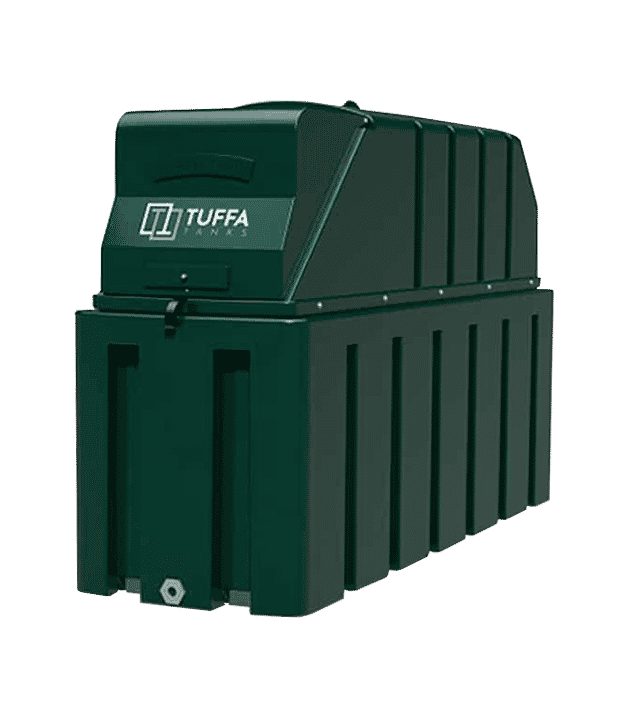
You can explore the full range of compliant storage solutions in the Oil Tanks Plus bunded oil tanks range.
Single Skin Oil Tanks Explained
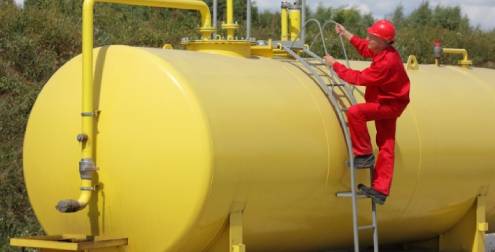
A single skin oil tank is constructed from one layer of material and does not include secondary containment. These tanks are:
-
Lower in upfront cost
-
Lighter and easier to install
-
Suitable only for low-risk locations
While single skin tanks are still permitted in certain situations, they offer less protection and may require additional safeguards depending on where they are installed.
Oil storage manufacturers outline the key differences when choosing between a single skin and bunded oil tank, particularly in relation to environmental risk and installation requirements.
To see available options, view the Oil Tanks Plus single skin oil tank range.
Safety, Regulations & Environmental Protection
Oil tank regulations in the UK are designed to minimise pollution and protect water sources. In many cases, bunded oil tanks are required, particularly when tanks are:
-
Near buildings or property boundaries
-
Close to drains, streams, or watercourses
-
Installed in environmentally sensitive areas
Because bunded tanks include secondary containment, they are far more likely to meet current and future regulatory standards.
Environmental Comparison
Bunded Oil Tank
-
Reduced risk of oil spills
-
Greater environmental protection
-
Widely accepted under UK regulations
-
Ideal for permanent installations
Single Skin Oil Tank
-
Higher risk of leaks
-
Limited regulatory flexibility
-
Suitable only for low-risk environments
-
Require regular inspections
Cost Comparison: Short-Term Price vs Long-Term Value
While single skin oil tanks often have a lower initial purchase price, long-term costs should also be considered.
Bunded Oil Tank Costs
-
Higher upfront cost
-
Lower risk of environmental damage
-
Potential insurance advantages
-
Reduced likelihood of fines or clean-up costs
Single Skin Oil Tank Costs
-
Lower initial investment
-
Higher potential liability
-
Possible replacement or remediation costs
-
Insurance limitations may apply
In many cases, bunded tanks offer better long-term value, especially for homeowners planning to stay in their property long term.
When Should You Choose a Bunded Oil Tank?
A bunded oil tank is the best option if:
-
You are installing a new oil tank
-
Your tank is close to buildings or drains
-
You want maximum safety and compliance
-
You are future-proofing your installation
When Is a Single Skin Oil Tank Suitable?
A single skin oil tank may be appropriate if:
-
The installation area is genuinely low risk
-
Secondary containment is already in place
-
The tank is for short-term or temporary use
-
Budget is a major consideration
Professional advice is always recommended before choosing a single skin tank.
Conclusion: Bunded or Single Skin Oil Tank – Which Is Best?
When comparing bunded vs single skin oil tanks, the key differences are safety, environmental protection, and regulatory compliance. While single skin tanks can still be suitable in limited circumstances, bunded oil tanks are widely regarded as the safer, more robust, and future-ready solution.
For most properties, investing in a bunded oil tank offers long-term peace of mind and better protection against environmental risks.
Explore Oil Tank Options with Oil Tanks Plus
Ready to choose the right oil tank for your needs?
Browse the full Oil Tanks Plus range:
-
Bunded oil tanks: https://www.oiltanksplus.co.uk/oil-tank-range/bunded-oil-tanks/
-
Single skin oil tanks: https://www.oiltanksplus.co.uk/oil-tank-range/single-skinned-oil-tanks/
If you need help deciding, our team is always happy to offer expert guidance.
Share This: