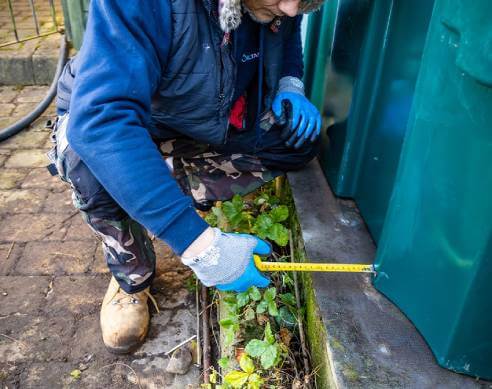

Where to Position a Bunded Oil Tank?
Where Should a Bunded Oil Tank Be Installed? UK Location & Safety Guide (2026)
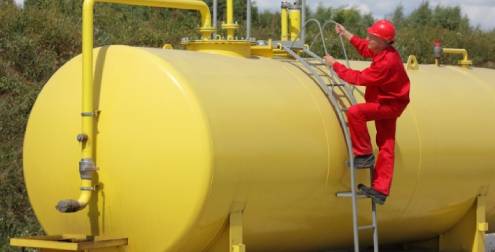
Choosing the right location for a bunded oil tank is one of the most important parts of any installation. Correct placement protects your property, helps prevent environmental damage, and ensures your setup meets current UK guidance and building regulations.
Whether you’re replacing an old tank or installing a new system for the first time, understanding safe distances, base requirements, and access rules will help you avoid costly mistakes later on. This guide explains the key things homeowners and businesses should consider when deciding where to position a bunded oil tank.
Why Oil Tank Location Matters
A bunded oil tank is designed with a secondary containment layer to reduce the risk of leaks, but correct siting is still essential. Poor positioning can lead to:
-
Increased fire risk
-
Difficult or unsafe fuel deliveries
-
Access problems for maintenance
-
Potential pollution issues
-
Non-compliance with insurance or building requirements
That’s why professional installers follow strict guidance from organisations such as OFTEC and UK building regulations.
Understanding UK Rules for Bunded Oil Tank Placement
While every property is different, typical domestic oil tank siting guidance includes:
-
Around 1.8 metres from buildings, openings, and non-fire-rated structures
-
Approximately 760mm from boundaries unless protective barriers are used
-
Safe separation from flues, ignition sources, and combustible materials
These distances are designed to reduce fire spread risk and improve safe access during servicing or emergency situations. If the required distances can’t be achieved, a fire-resistant barrier may be necessary.
For a practical breakdown of siting considerations, see this guide on where a bunded oil tank should be located.
Minimum Distance Guidelines (Typical UK Standards)
Although installers will always assess your specific site, common guidelines include:
From Buildings
Oil tanks should generally be positioned around 1.8m away from non-fire-rated walls, eaves, or structures to reduce fire risk.
From Boundaries
A gap of around 760mm is typically recommended between a tank and boundaries such as timber fencing.
Near Watercourses or Drains
Extra care is required when tanks are close to drains, boreholes, or water sources to minimise pollution risk. Bunded tanks are often mandatory in these situations.
From Flammable Materials
Avoid placing tanks directly next to sheds, vegetation, or other combustible surfaces unless additional protection is installed.
Always confirm final positioning with a qualified installer before installation begins.
Base and Foundation Requirements
The base beneath your oil tank is just as important as its location.
A properly installed tank should sit on a:
-
Level, non-combustible surface
-
Solid foundation capable of supporting the tank when full
-
Base that extends beyond the tank footprint for stability and inspection access
Concrete slabs or professionally prepared paving bases are common choices. A poor foundation can lead to movement over time, which increases risk of pipe stress or leaks.
Ventilation, Access & Delivery Considerations
Oil tanks need to be positioned with practical day-to-day use in mind, not just regulations.
Make sure your chosen location allows:
-
Easy access for delivery drivers
-
Space for maintenance and inspections
-
Good airflow around the tank
-
Clear visibility for safety checks
Restricted access often results in higher maintenance costs and delivery complications, so this is worth planning carefully from the start.
For a broader installation overview, this heating oil tank installation guide gives additional context on the overall process.
Common Installation Mistakes to Avoid
Many oil tank issues come down to positioning errors. The most common include:
-
Installing too close to buildings or fences
-
Using an undersized or uneven base
-
Poor access for deliveries
-
Placing tanks near drains without proper risk assessment
-
Failing to plan for future maintenance access
A well-planned installation reduces long-term risk and helps protect your property investment.
Choosing the Right Tank for Your Property
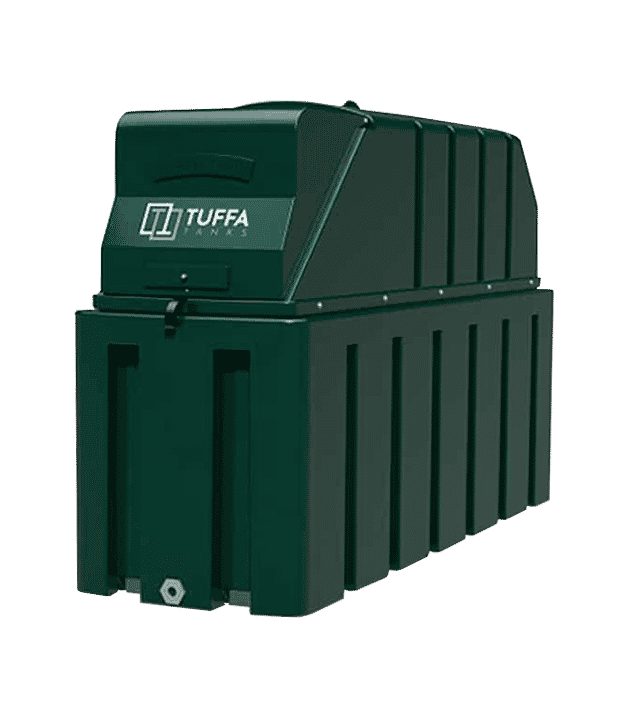
Location and tank choice go hand in hand. Slimline, low-profile, or higher-capacity models may suit different spaces depending on your layout and usage needs.
You can browse Oil Tanks Plus’s full oil tank range to compare sizes and configurations, or view our specialist commercial oil tank installation solutions for larger properties and business applications.
Final Thoughts: Get Your Oil Tank Location Right First Time
Installing a bunded oil tank isn’t just about finding spare space in the garden. Correct positioning helps ensure safety, compliance, and long-term reliability while protecting your property and the surrounding environment. By considering clearances, foundations, access, and future maintenance from the outset, you can avoid costly adjustments later and keep your heating system running smoothly for years to come.
At Oil Tanks Plus, we help homeowners and businesses across the UK choose the right tank and the right installation setup from day one. If you’re planning a new installation or replacing an older tank, explore our range of bunded oil tanks and commercial solutions today, or contact our team for expert guidance tailored to your property.
Share This: