








Carbon Emissions Compared: Electricity, Heating Oil & HVO
Heating Oil vs Electricity vs HVO: Carbon Emissions Compared
Across the UK, homeowners and businesses are increasingly asking an important question:
Which heating option produces the lowest carbon emissions — electricity (via air source heat pumps), traditional heating oil, or renewable HVO fuel?
With the UK working towards net-zero carbon targets, understanding the environmental impact of different heating fuels has become more important than ever.
Electric heating systems, particularly air source heat pumps, are often promoted as the cleanest solution. However, the carbon footprint of electricity depends heavily on the energy sources used to generate it. Meanwhile, traditional fuels like heating oil and newer alternatives like HVO (Hydrotreated Vegetable Oil) have their own defined emissions profiles.
This guide explains how each heating method works, how their carbon emissions compare, and what homeowners should consider when choosing a heating system for the future.
How Electricity Heating Emissions Work
Electric heating systems — especially air source heat pumps (ASHPs) — are widely considered one of the most efficient ways to heat a home.
Heat pumps do not generate heat directly. Instead, they extract heat from the outside air and transfer it into the property. Because of this process, they can produce three to four units of heat for every unit of electricity used.
This efficiency means their overall carbon emissions per unit of heat can be relatively low.
However, electricity is not automatically carbon-free.
The UK electricity grid currently relies on a mixture of energy sources including:
-
renewable energy such as wind and solar
-
nuclear power
-
natural gas generation
-
occasional coal-fired power during peak demand
This means the carbon intensity of electricity changes depending on the energy mix at any given time.
During periods of high demand or low renewable generation, fossil fuels may still be used to stabilise the grid. When this happens, the carbon emissions associated with electric heating increase.
Because of this, the real environmental impact of electric heating depends heavily on how clean the electricity grid is when the system is operating.
Heating Oil: A Reliable but Fossil-Based Fuel
Heating oil has long been one of the most widely used heating fuels for properties located off the mains gas grid, particularly in rural areas.
Oil-fired boilers are known for their:
-
high heat output
-
reliability in cold climates
-
compatibility with rural properties
However, heating oil is a fossil fuel, and burning it releases carbon dioxide into the atmosphere.
Each litre of heating oil burned produces a measurable amount of CO₂ emissions. Oil boilers also experience some combustion inefficiencies, meaning a small percentage of energy is lost as heat during the heating process.
Because of these factors, traditional heating oil generally produces higher direct carbon emissions than renewable heating options.
Despite this, heating oil continues to provide dependable heating for many rural properties where alternative infrastructure is not yet practical.
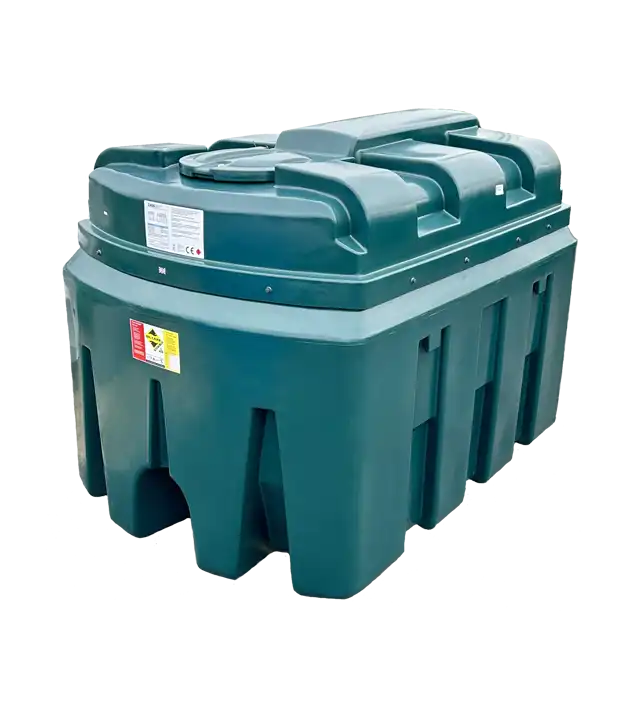
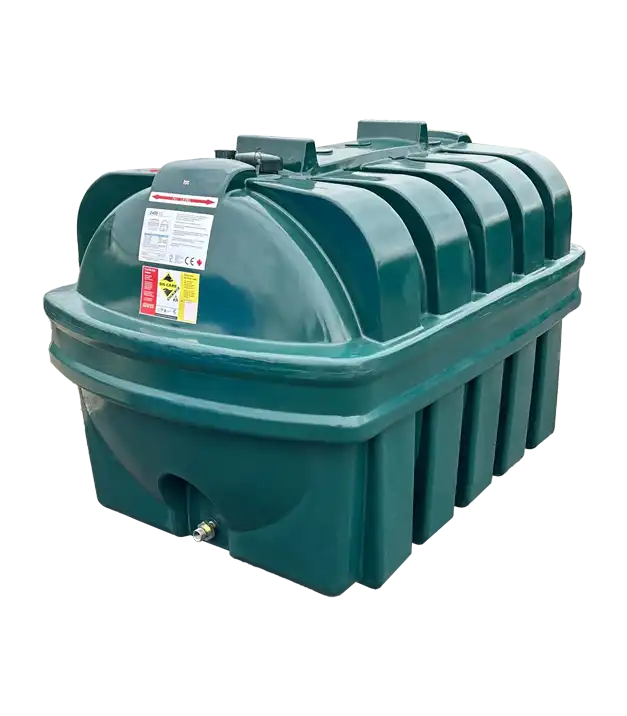
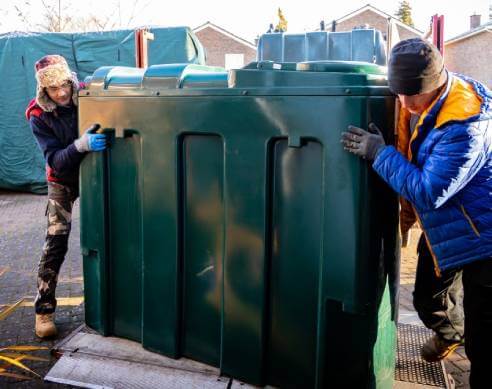
For homes that rely on oil heating, safe fuel storage is an essential part of maintaining an efficient heating system. High-quality bunded oil tanks help protect both the environment and the property by preventing fuel leaks and ensuring safe storage.
Oil Tanks Plus supplies a range of bunded heating oil tanks designed for domestic and commercial installations.
HVO Fuel: A Lower Carbon Alternative
One of the most promising developments for oil-heated properties is the emergence of HVO (Hydrotreated Vegetable Oil) as a renewable alternative to fossil heating oil.
HVO is produced using renewable feedstocks such as:
-
waste cooking oils
-
animal fats
-
vegetable oils
-
other sustainable organic materials
These feedstocks are processed using hydrogen treatment, creating a clean-burning fuel that is chemically similar to diesel and heating oil.
The key advantage of HVO is that many existing oil heating systems can use it with minimal modifications, making it an attractive option for reducing emissions without completely replacing heating infrastructure.
Compared with traditional heating oil, HVO offers:
-
significantly lower lifecycle carbon emissions
-
cleaner combustion with fewer particulates
-
compatibility with many existing oil boilers
-
reduced reliance on fossil fuels
Because HVO is produced from renewable feedstocks, its lifecycle emissions can be significantly lower than conventional heating oil, depending on the production process.
According to Certas Energy’s roadmap to net zero, renewable fuels such as HVO can significantly reduce carbon emissions compared with traditional diesel and heating oil.
Carbon Emissions Comparison: Electricity vs Heating Oil vs HVO
While emissions figures can vary depending on location, technology, and energy mix, the three heating methods generally compare as follows:
| Heating System | Carbon Emissions | Key Factors |
|---|---|---|
| Electricity via Air Source Heat Pump | Low – Moderate | Depends on electricity grid carbon intensity |
| HVO Fuel | Moderate – Low | Lower lifecycle emissions than fossil heating oil |
| Traditional Heating Oil | Higher | Direct fossil fuel combustion |
Is HVO Better Than Heating Oil?
In terms of carbon emissions, HVO is generally considered a cleaner alternative to traditional heating oil.
Because it is produced from renewable feedstocks, the lifecycle carbon emissions of HVO are typically lower than fossil heating oil. This makes it an attractive option for reducing emissions without replacing existing oil heating systems.
For many off-grid homes, switching from heating oil to HVO could provide significant carbon reductions with minimal disruption.
However, the availability and cost of HVO may vary depending on supply and local infrastructure.
Heat Pumps vs Oil Heating: Which Is Better?
Comparing heat pumps and oil heating systems is not always straightforward.
Heat pumps can be highly efficient, especially in well-insulated homes with modern heating systems. When powered by low-carbon electricity, they can produce very low emissions.
However, installing a heat pump often requires:
-
significant property upgrades
-
new heating infrastructure
-
improved insulation
-
higher upfront installation costs
In contrast, oil heating systems already installed in many rural homes continue to provide reliable heat with relatively simple maintenance.
For some households, transitioning gradually — for example by switching to lower-carbon fuels such as HVO — may provide a more practical pathway toward reducing emissions.
The Importance of Safe Fuel Storage
For properties using oil or alternative liquid fuels, safe storage is critical.
Modern bunded oil tanks provide two layers of containment. The inner tank stores the fuel, while the outer bund captures any leaks, preventing environmental contamination.
This design offers several important benefits:
-
improved environmental protection
-
compliance with UK fuel storage regulations
-
reduced risk of fuel leaks
-
increased durability and long-term reliability
At Oil Tanks Plus, we supply high-quality bunded tanks designed to safely store heating oil and other fuels for domestic and commercial heating systems.
How Oil Tanks Plus Supports Heating Infrastructure
At Oil Tanks Plus, we specialise in supplying reliable fuel storage solutions for homes, farms, and businesses across the UK.
Whether you are storing traditional heating oil today or preparing for future fuels like HVO, having the right tank is essential for maintaining a safe and efficient heating system.
Our range of bunded oil tanks is designed to meet current UK safety and environmental regulations while providing long-term durability and reliability.
By investing in the right storage system, property owners can ensure their heating fuel remains secure, accessible, and ready for use throughout the year.
Final Thoughts: Choosing the Right Heating System for the Future
There is no single “perfect” heating solution for every property.
Electric heating systems such as heat pumps can deliver very low carbon emissions when powered by a clean electricity grid, particularly in modern, well-insulated homes.
Traditional heating oil continues to provide dependable heating for many rural properties, although its carbon emissions are higher than renewable alternatives.
Meanwhile, fuels such as HVO offer an exciting opportunity to reduce emissions without completely replacing existing oil heating systems.
As the UK continues to transition toward lower-carbon energy, homeowners will need to balance factors such as infrastructure, cost, efficiency, and environmental impact.
For properties that rely on liquid fuel heating, safe and compliant storage will remain an essential part of that transition.
At Oil Tanks Plus, we provide durable, regulation-compliant oil tanks designed to support reliable heating systems now and into the future. If you’re upgrading your heating infrastructure or replacing an ageing tank, exploring the right storage solution today can help protect both your property and the environment.
Share This: