

How Often Should You Inspect a Heating Oil Tank?
Contents
- 1 How Often Should You Inspect a Heating Oil Tank?
- 1.0.1 How often should you check your heating oil tank?
- 1.0.2 What should you look for during a visual heating oil tank inspection?
- 1.0.3 When should you arrange a professional heating oil tank inspection?
- 1.0.4 Why heating oil tank inspections matter
- 1.0.5 When does a heating oil tank need replacing?
- 1.0.6 Simple heating oil tank inspection checklist for homeowners
- 1.0.7 Final thoughts
How Often Should You Inspect a Heating Oil Tank?
A heating oil tank is one of those parts of the home that can easily be forgotten about until something goes wrong. It sits outside, quietly doing its job, storing the fuel that keeps your boiler running and your property warm. But because it is exposed to weather, ground movement, vegetation and general wear over time, it needs regular checks.
For UK homeowners, a routine heating oil tank inspection is not just about keeping the heating system working. It is also about reducing the risk of leaks, protecting your garden and surrounding land, avoiding costly clean-up work and spotting early signs that your tank may need repair or replacement.
Here’s the thing: you do not need to be an engineer to notice many of the early warning signs. A simple visual check carried out regularly can make a big difference. More detailed servicing and professional assessments should then be handled by a qualified specialist.
How often should you check your heating oil tank?
As a general rule, homeowners should visually check their heating oil tank at least once a month. During colder months, after storms, before an oil delivery, or if your tank is older, it is sensible to check it more often.
GOV.UK advises householders to inspect domestic oil tanks, pipework and related equipment for leaks, damage and interference once a week, especially to reduce environmental risk and avoid potentially expensive problems. You can read the full advice here: take time to check your oil tank.
A good practical approach is:
Monthly visual checks for normal household use
Weekly checks during winter or heavy use
Extra checks after bad weather or ground movement
A professional service or inspection at least once a year
Immediate professional help if you notice leaks, smells, cracks, stains or instability
This balance helps you stay proactive without overcomplicating the process.
What should you look for during a visual heating oil tank inspection?
A routine check should be simple, quick and safe. You are not trying to dismantle anything or carry out repairs yourself. You are simply looking for signs that something may be wrong.
Start by walking around the tank carefully and checking the visible surfaces, base, fittings and surrounding area.
1. Cracks, splits or bulging
Plastic oil tanks can become weakened over time, especially if they are exposed to UV, poor support, age or changing weather conditions. Look for cracks, splits, bulging sides or areas that appear warped.
Even small cracks should not be ignored. Once a tank starts to fail, the problem can worsen quickly, especially when the tank is full or exposed to cold weather.
2. Rust or corrosion
If you have a steel tank, check for rust, flaking paint, bubbling, staining or visible corrosion. Rust can weaken the structure of the tank and increase the risk of an oil tank leak.
Corrosion around seams, legs, pipework or fittings is particularly important to watch. These areas can become vulnerable over time and may need professional assessment.
3. Oil stains, damp patches or strong smells
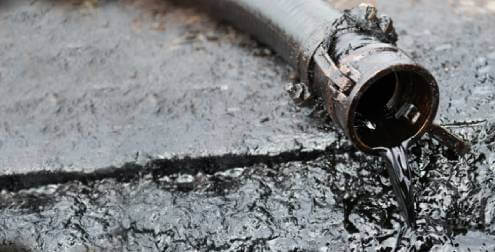
Oil stains around the base of the tank are one of the clearest signs something is wrong. You may also notice a strong oily smell, discoloured ground, dead vegetation nearby, or damp-looking patches beneath pipework.
If you suspect a leak, do not ignore it. Heating oil can cause serious environmental damage if it enters soil, drains, streams or groundwater. GOV.UK also warns that clean-up costs can be significant and may not always be covered by household insurance.
4. An unstable or damaged base
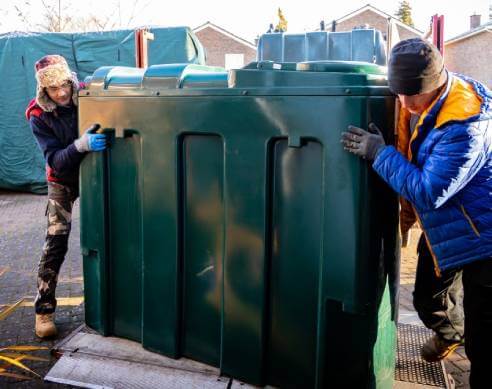
Your tank should sit on a solid, level, non-combustible base that properly supports the full footprint of the tank. If the base cracks, sinks, tilts or becomes uneven, the tank can become stressed.
Look for signs such as leaning, movement, broken slabs, sinking supports or gaps under the tank. An unstable base can place pressure on the tank body and pipe connections, increasing the risk of damage.
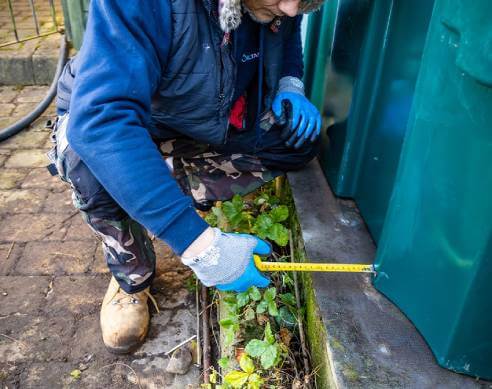
5. Overgrown vegetation
Keep the area around your domestic oil tank clear and accessible. Overgrown plants can hide damage, trap moisture, restrict airflow and make it harder for engineers or delivery drivers to access the tank safely.
Vegetation can also interfere with pipework or make it harder to spot leaks early. As a rule, the tank should be easy to inspect from all accessible sides.
6. Pipework, valves and fittings
Check visible pipework, valves, filters and fittings for signs of damage, staining, corrosion or interference. Do not attempt to repair pipework yourself, but make a note of anything unusual and arrange a professional inspection.
It is also worth monitoring your oil usage. If your fuel level seems to be dropping faster than expected, and your heating habits have not changed, this could indicate a leak or system issue.
When should you arrange a professional heating oil tank inspection?
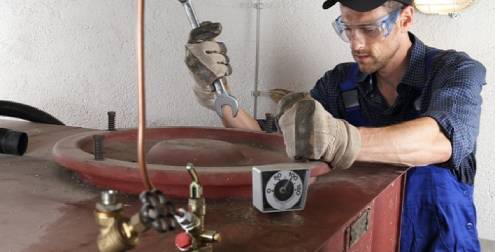
Routine homeowner checks are useful, but they do not replace professional oil tank maintenance. A qualified technician can assess the tank, pipework, base, fittings and wider installation properly.
You should arrange a professional inspection if:
Your tank is old or showing visible wear
You notice cracks, bulging, rust or corrosion
There are oil stains or strong smells near the tank
The tank appears to be leaning or unsupported
You are planning a new oil delivery but are unsure whether the tank is safe
Your oil usage has suddenly increased
You are buying a property with an existing heating oil tank
You have not had the tank checked in the last year
Annual servicing is a sensible minimum for most homes. More frequent checks may be needed if the tank is older, exposed to harsh weather, located near drains or watercourses, or showing early signs of deterioration.
For more detail on why ongoing checks matter, this guide from OTP Energy explains the importance of regular oil tank maintenance.
Why heating oil tank inspections matter
Regular inspections help protect your home, heating system and surrounding environment. They also give you time to deal with small issues before they become expensive problems.
They reduce the risk of leaks
A small leak can quickly become a major issue if it reaches soil, drains or nearby water. Early checks help spot warning signs before the tank fails completely.
They help avoid emergency replacement costs
Replacing a tank in a hurry is rarely ideal. If you notice early signs of failure, you have more time to compare options, plan the installation and arrange safe disposal of the old tank.
They support safer oil deliveries
A tank should be in good condition before being refilled. If a damaged or unstable tank is filled, the added weight can worsen existing problems.
They may help with insurance issues
If a tank has clearly been neglected, it may complicate insurance claims in the event of a spill. Regular checks and servicing records can help show that the tank has been maintained responsibly.
When does a heating oil tank need replacing?
Not every issue means immediate replacement, but there are situations where repair may no longer be the safest or most cost-effective option.
You may need oil tank replacement if the tank is cracked, badly corroded, unstable, leaking, unsupported, outdated or no longer compliant for its location. A professional assessment is the safest way to confirm whether the tank can be repaired or whether replacement is needed.
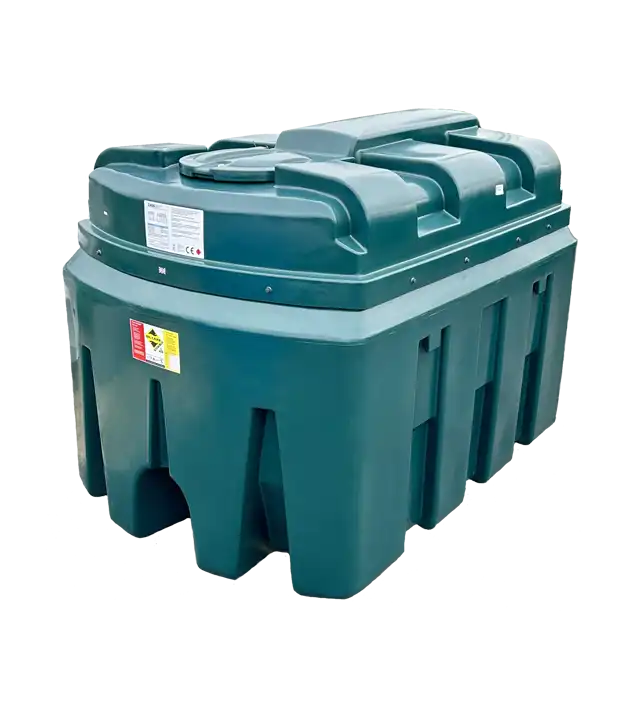
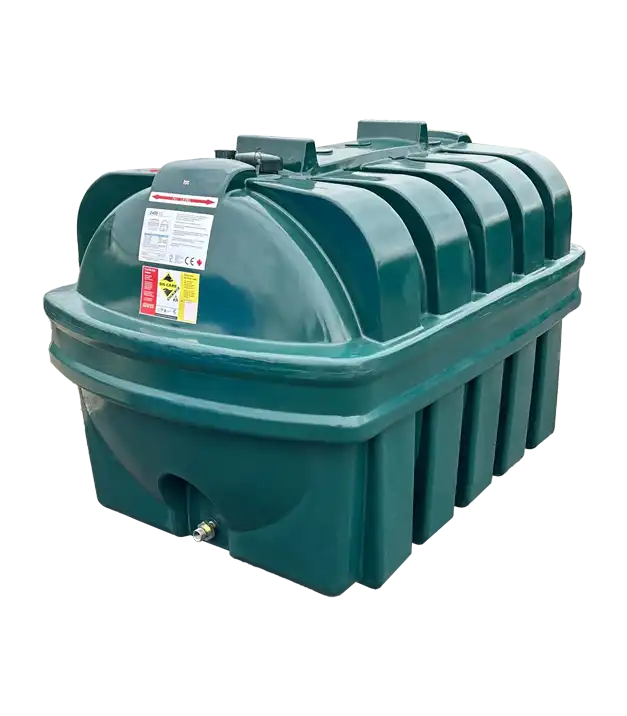
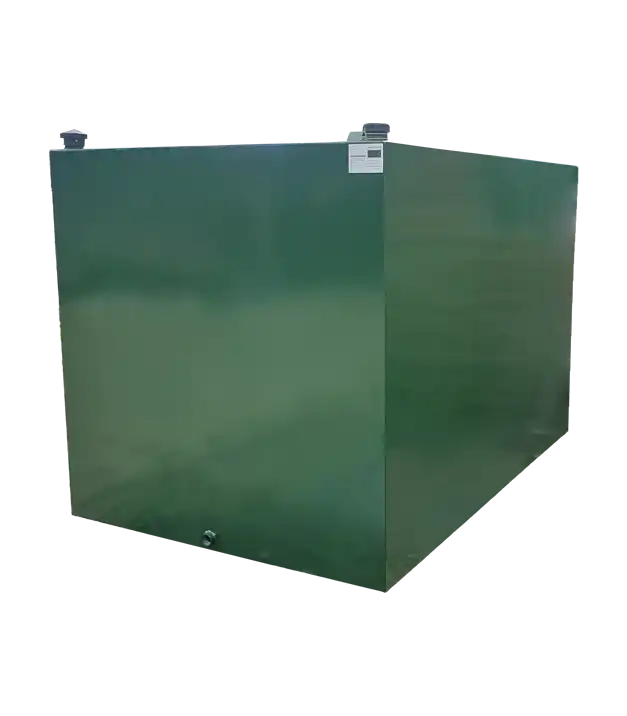
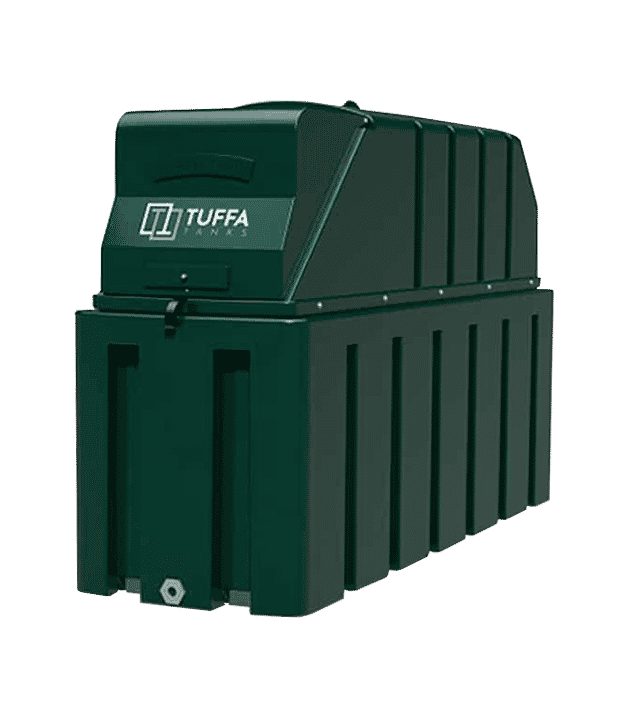
Modern tanks are available in a wide range of options, including bunded oil tanks, single skin tanks, steel tanks and fire rated tanks. The right choice depends on your property, available space, location, capacity needs and installation requirements.
At Oil Tanks Plus, we supply and install a wide range of domestic and commercial oil tanks across the UK, including bunded, single skinned, steel and fire rated options. Our team can also help with oil tank disposal, replacement and ongoing servicing.
Simple heating oil tank inspection checklist for homeowners
Use this quick checklist during your regular visual checks:
Is the tank standing level and stable?
Are there any cracks, splits or bulges?
Can you see rust, corrosion or staining?
Is there any smell of oil nearby?
Are there oil marks on the ground?
Is the base cracked, sinking or uneven?
Is pipework visibly damaged or leaking?
Is vegetation blocking access?
Has oil usage suddenly increased?
Is the tank due for a professional service?
If you answer yes to any of the warning signs, it is worth getting expert advice before the problem becomes more serious.
Final thoughts
A heating oil tank inspection does not need to be complicated. A few minutes spent checking your tank regularly can help prevent leaks, protect your property and reduce the risk of expensive emergency work.
For most homeowners, the safest approach is to carry out regular visual checks, arrange professional servicing at least once a year, and act quickly if anything looks unusual. Cracks, stains, smells, corrosion, leaning tanks and unstable bases should never be ignored.
If you are concerned about your current tank, planning a replacement, or unsure whether your installation is still suitable, speak to the team at Oil Tanks Plus. We can help you choose the right solution, arrange a quote and keep your heating oil system safe, compliant and ready for use.
Share This: