



Can a Bunded Oil Tank Be Moved? What You Need to Know
Contents
- 1 Can a Bunded Oil Tank Be Moved? A UK Guide to Safe and Legal Relocation
- 1.0.1
- 1.0.2 What Is a Bunded Oil Tank?
- 1.0.3
- 1.0.4 When Might an Oil Tank Need to Be Moved?
- 1.0.5
- 1.0.6 Legal Considerations When Moving an Oil Tank
- 1.0.7
- 1.0.8 Oil Tank Base Requirements
- 1.0.9
- 1.0.10 Environmental Factors to Consider
- 1.0.11
- 1.0.12 Safety Considerations During Relocation
- 1.0.13
- 1.0.14 Updating Insurance and Local Records
- 1.0.15
- 1.0.16 Final Thoughts
Can a Bunded Oil Tank Be Moved? A UK Guide to Safe and Legal Relocation
If you’re planning landscaping work, building an extension, or improving access around your property, you may be wondering whether it’s possible to move a bunded oil tank to a new location.
The short answer is yes, but relocating an oil tank in the UK involves far more than simply repositioning it elsewhere on your property. There are legal regulations, environmental safety considerations, fire separation requirements, and installation standards that must be followed to remain compliant with current oil storage regulations.
In this guide, we’ll explain when a bunded oil tank can be moved, what regulations apply, and the safest way to approach oil tank relocation without risking environmental damage, invalid insurance, or compliance issues.
What Is a Bunded Oil Tank?
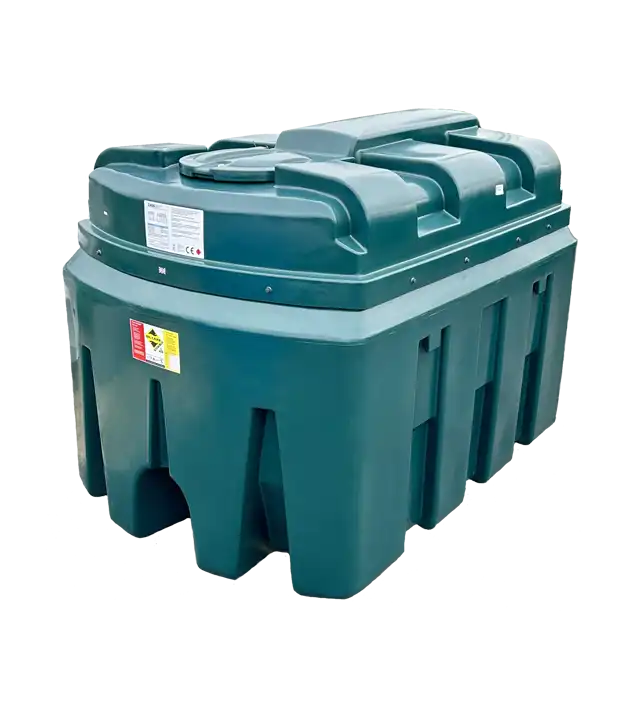
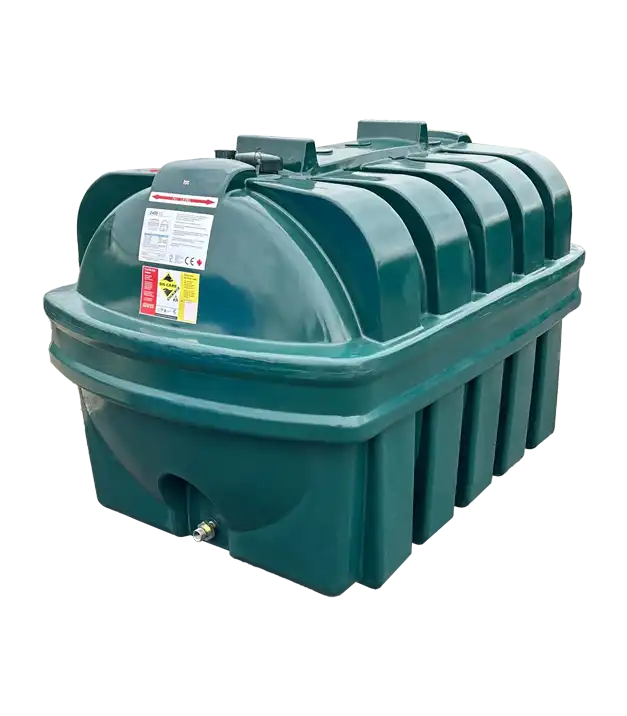
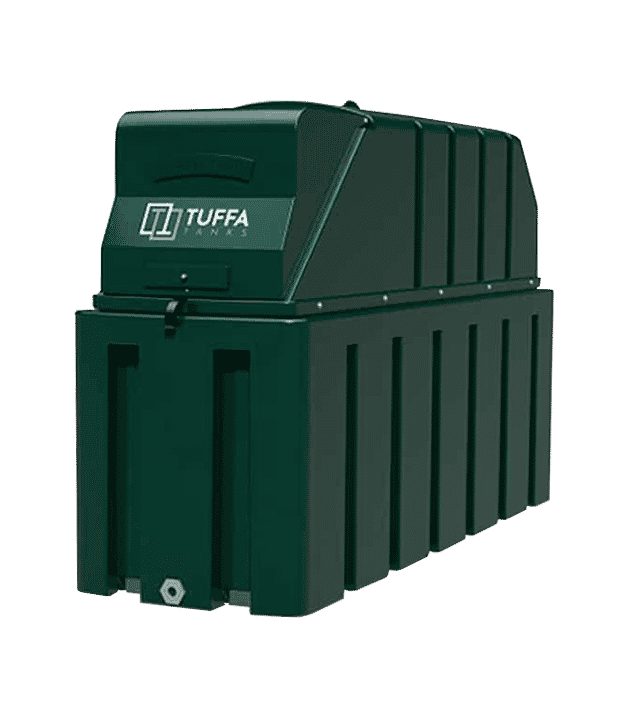
A bunded oil tank is designed with a double-layer structure consisting of an inner tank that stores heating oil and an outer protective casing that acts as secondary containment.
This outer layer helps prevent leaks or spills from contaminating surrounding ground or nearby water sources, making bunded oil tanks the recommended standard for both domestic and commercial oil storage throughout the UK.
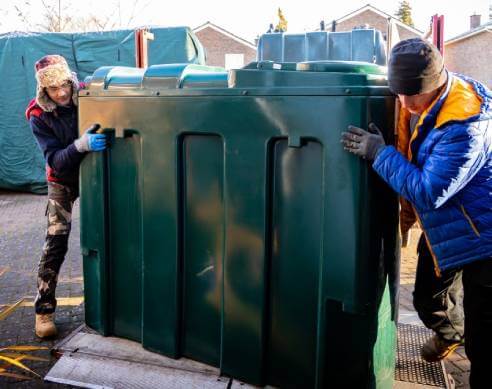
Because of this environmental protection role, relocating a bunded oil tank is not treated as a simple move. In many cases, it is classed as a reinstallation under UK Building Regulations.
For a more detailed explanation of whether bunded tanks can be relocated, you can read this guide here:
https://www.oiltanksupermarket.co.uk/can-a-bunded-oil-tank-be-moved/
When Might an Oil Tank Need to Be Moved?
There are several common reasons why homeowners or property managers consider relocating their heating oil tank.
These include:
-
Home extensions or structural alterations
-
Landscaping or driveway installation
-
Restricted delivery access for fuel suppliers
-
Replacement of an older tank
-
Changes to environmental protection zones
-
Commercial site redevelopment
In each of these situations, moving the tank may improve accessibility or compliance, but must still meet current siting regulations once installed in its new position.
Legal Considerations When Moving an Oil Tank
Before relocating your oil tank, it’s important to understand the legal responsibilities involved.
OFTEC Installation Requirements
Oil tanks must be installed in accordance with OFTEC guidance to ensure safe fuel storage and environmental protection. This includes maintaining correct separation distances from:
-
Buildings
-
Property boundaries
-
Drains and watercourses
-
Oil-fired appliances
-
Openings such as windows or doors
Relocating your tank may trigger the need for a full reinstallation assessment depending on the new position.
Building Regulations Approval
Moving a bunded oil tank is often treated in the same way as a new installation under UK Building Regulations. In some cases, local authority approval may be required before work can begin.
Failure to comply with these standards may result in enforcement action or insurance complications in the event of a leak or spill.
Oil Tank Base Requirements
Another important factor when relocating a bunded oil tank is the base on which it sits.
A suitable base must be:
-
Flat and level
-
Fire-resistant where required
-
Structurally capable of supporting the tank when full
-
Constructed from concrete, paving slabs, or an approved equivalent
Installing a tank on uneven ground or an unsuitable surface can place stress on the tank structure and compromise the integrity of the secondary containment system.
Environmental Factors to Consider
Environmental risk is one of the main reasons why oil tank relocation must be handled correctly.
Assessing the New Location
Your oil tank must be positioned on a suitable base and located in an area that reduces the risk of accidental contamination.
The new site should:
-
Avoid proximity to water sources
-
Allow for adequate ventilation
-
Provide safe delivery access
-
Maintain recommended clearance distances
Spill Containment and Access
Even after relocation, the bunded tank must continue to provide effective secondary containment in the event of a leak or overfill.
If your property requires higher-capacity storage following relocation, you can explore our range of commercial oil tanks here:
https://www.oiltanksplus.co.uk/commercial-oil-tanks/
Safety Considerations During Relocation
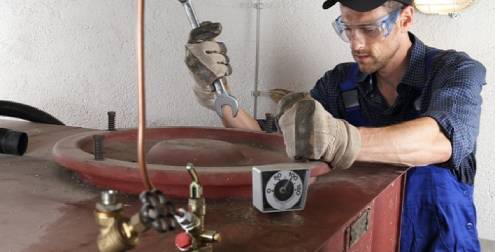
Relocating an oil tank should always be carried out by a qualified technician or OFTEC-registered installer.
Important safety steps include:
-
Draining the tank fully before transport
-
Disconnecting supply lines correctly
-
Preventing damage to the bund during lifting
-
Reinstalling on a compliant base
-
Checking for structural integrity after relocation
Improper handling during transport may lead to cracks in the outer bund or long-term installation issues.
Updating Insurance and Local Records
Once your oil tank has been moved, it’s essential to notify relevant parties.
You should contact:
-
Your home insurance provider
-
Your fuel supplier
-
Your local authority where required
Failure to update records could impact insurance cover or future compliance checks.
You can also learn more about oil tank relocation requirements in our related blog here:
https://www.oiltanksplus.co.uk/wp-admin/post.php?post=2266&action=edit
Final Thoughts
Moving a bunded oil tank is entirely possible, but it must be done in accordance with UK regulations to ensure environmental safety and legal compliance. Taking the time to assess siting requirements, installation standards, and local authority guidelines will help reduce the risk of leaks, contamination, or regulatory issues in the future.
If you’re considering relocating your oil tank and want expert guidance, visit:
https://www.oiltanksplus.co.uk/
Our team can help you understand the safest and most compliant way to manage your oil storage setup.

Share This: