


Can a Bunded Oil Tank Explode? Understanding the Safety Features
Contents
- 1 Can a Bunded Oil Tank Explode? Understanding the Safety Features
- 1.0.1 Can a Bunded Oil Tank Explode?
- 1.0.2 What Is a Bunded Oil Tank?
- 1.0.3 Why Bunded Oil Tanks Are Designed for Safety
- 1.0.4 Are Heating Oil Tanks Flammable?
- 1.0.5 What Could Increase Oil Tank Explosion or Fire Risk?
- 1.0.6 UK Guidance on Oil Tank Safety
- 1.0.7 How to Keep a Bunded Oil Tank Safe
- 1.0.8 Warning Signs Your Oil Tank Needs Professional Attention
- 1.0.9 Is a Bunded Oil Tank Safer Than a Single Skin Tank?
- 1.0.10 Can a Bunded Oil Tank Catch Fire?
- 1.0.11 Does a Bunded Tank Need Maintenance?
- 1.0.12 Should You Replace an Older Oil Tank With a Bunded Tank?
- 1.0.13 FAQs About Bunded Oil Tank Safety
- 1.0.14 Final Thoughts
Can a Bunded Oil Tank Explode? Understanding the Safety Features
“Can a bunded oil tank explode?” is a question many homeowners, landlords, farms and businesses ask when storing heating oil on site. It is a fair question. Any fuel storage system deserves proper care, and nobody wants to take risks with their home, property or the surrounding environment.
The reassuring answer is that a properly manufactured, installed and maintained bunded oil tank is very unlikely to explode. Heating oil is not the same as petrol, and modern bunded tanks are designed with safety, containment and long-term protection in mind.
That said, oil tank safety should still be taken seriously. Poor installation, blocked vents, fire exposure, damaged fittings, unsuitable bases, impact damage and lack of maintenance can all increase risk. The goal is not to panic. The goal is to understand how bunded tanks work, what keeps them safe and when to seek professional advice.
In this guide, we explain what a bunded oil tank is, whether it can explode, what safety features are built into modern tanks and how to reduce risks through correct installation, inspection and maintenance.
Can a Bunded Oil Tank Explode?
In normal domestic or commercial use, a bunded oil tank is extremely unlikely to explode.
A bunded oil tank is designed to store heating oil safely at atmospheric pressure. When the tank is correctly installed, properly vented, positioned away from unsuitable heat sources and maintained in good condition, the risk of explosion is very low.
The situations that could create a serious fire or explosion risk usually involve abnormal conditions, such as:
- Direct exposure to fire or extreme heat
- Blocked or damaged venting
- Unsafe modifications to the tank or pipework
- Incorrect installation
- Serious impact damage
- Poor maintenance over a long period
- Storage of the wrong type of liquid
- Failure to follow oil storage regulations
For most homeowners using a suitable heating oil tank, the main practical risks are leaks, spills, environmental contamination, poor access, overfilling and deterioration rather than explosion.
So, the simple answer is: a bunded oil tank is not likely to explode when it is used correctly, installed properly and regularly checked.
What Is a Bunded Oil Tank?
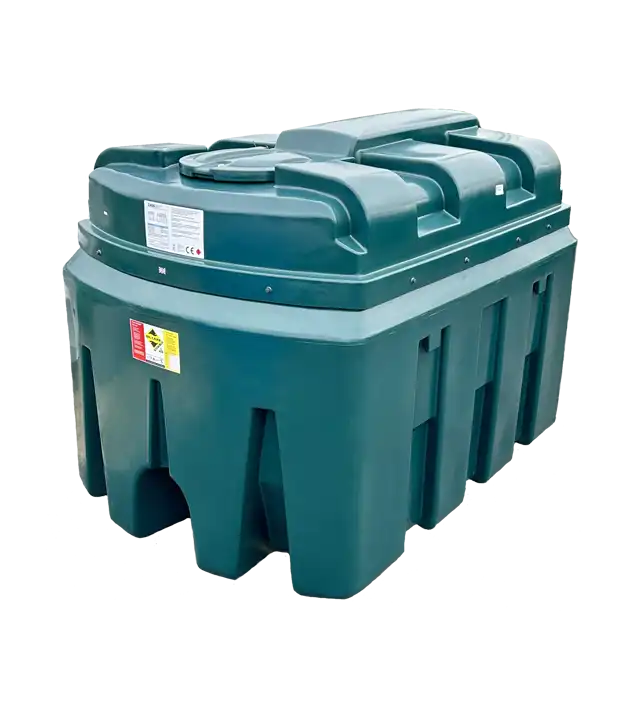
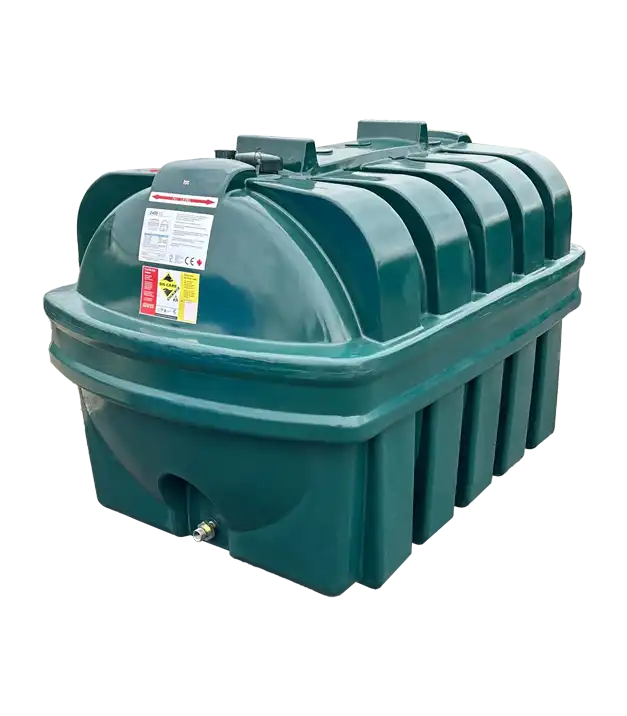
A bunded oil tank is a tank-within-a-tank system. The inner tank stores the heating oil, while the outer protective layer, known as the bund, provides secondary containment.
If the inner tank or fittings were to leak, the outer bund is designed to contain the oil and reduce the chance of it escaping into the surrounding ground, drains or watercourses.
This makes a bunded tank safer and more protective than a basic single skin tank, especially in higher-risk locations.
A bunded oil tank may be recommended or required if the tank is near:
- A drain or loose manhole cover
- A stream, river, pond, lake or coastal water
- A borehole, well or spring
- Hard ground where oil could travel quickly
- A property boundary
- A building or sensitive location
- An area where impact damage is more likely
For many homes and businesses, a bunded heating oil tank provides extra peace of mind because it gives an additional layer of protection if something goes wrong.
Why Bunded Oil Tanks Are Designed for Safety
Modern bunded oil tanks are built around containment and controlled storage. Their purpose is not just to hold oil, but to reduce the chance of leaks, spills and environmental damage.
Key safety features can include:
- Secondary containment through the outer bund
- Durable plastic or steel construction
- Weather-resistant tank design
- Venting to help prevent pressure build-up
- Secure lids and access points
- Fill points designed for controlled delivery
- Gauges or monitoring points to help track oil levels
- Overfill prevention options on suitable systems
- Stronger protection than a single skin tank
A good bunded oil tank installation should also include a suitable base, safe positioning, correct pipework, clear access and professional assessment of the site.
The tank itself matters, but the installation matters just as much.
Are Heating Oil Tanks Flammable?
Heating oil is combustible, but it does not behave like petrol. Petrol gives off flammable vapours much more easily at normal temperatures, which is one reason petrol is far more associated with rapid ignition risk.
Heating oil is generally less volatile, but it still needs to be stored safely. It should be kept away from flames, unsuitable heat sources, impact risks and anything that could damage the tank or pipework.
This is why oil tank safety guidance focuses heavily on:
- Correct tank design
- Safe positioning
- Secondary containment
- Fire separation distances
- Venting
- Spill prevention
- Installation quality
- Regular inspection and maintenance
A bunded oil tank is designed to manage normal storage conditions safely. The danger increases when tanks are neglected, incorrectly installed, damaged or exposed to abnormal heat or fire.
What Could Increase Oil Tank Explosion or Fire Risk?
Although explosion risk is very low, certain conditions can make any fuel storage system less safe.
The main risk factors include:
1. Exposure to Fire or Extreme Heat
A tank should not be positioned close to open flames, bonfires, unsuitable appliances or other heat sources. If a tank is exposed to serious external fire, the risk level changes significantly.
This is why proper siting and fire safety clearances matter when installing a domestic oil tank or commercial oil tank.
2. Blocked or Damaged Vents
Venting is important because tanks need to manage changes in pressure during filling, storage and use. If vents are blocked, damaged or incorrectly fitted, pressure-related issues may occur.
Never modify vents yourself. If you suspect a venting problem, arrange professional help.
3. Poor Installation
Incorrect oil tank installation can create several problems. A tank may be placed on an unsuitable base, too close to buildings, too near drains, too difficult to access or exposed to avoidable impact risks.
A professional installer should assess the site and make sure the tank is suitable for the property and its surroundings.
4. Unauthorised Modifications
Drilling into the tank, changing fittings, altering pipework or adding unsuitable equipment can compromise safety. Oil tanks should not be modified without professional guidance.
5. Lack of Maintenance
Cracks, rust, loose fittings, unstable bases and damaged pipework can develop over time. If these issues are ignored, the tank becomes less safe and more likely to leak or fail.
Regular oil tank maintenance helps spot problems before they become serious.
6. Storing the Wrong Substance
A tank should only be used for the type of oil or fuel it is designed to store. Storing unsuitable liquids can create major safety and compliance risks.
If you are unsure whether a tank is suitable for a specific use, get expert advice before filling it.
UK Guidance on Oil Tank Safety
UK oil storage rules and safety guidance exist to reduce the risk of leaks, pollution, fire and unsafe installation.
The UK government provides guidance on storing oil at a home or business, including when secondary containment may be required and how oil should be stored safely.
For workplaces and commercial settings, the Health and Safety Executive’s guidance on the storage of flammable liquids in tanks provides technical advice on tank design, construction, operation, maintenance and risk control.
These resources are important because oil tank safety is not only about the tank itself. It is also about where the tank is installed, how it is filled, how it is inspected and how quickly problems are dealt with.
How to Keep a Bunded Oil Tank Safe
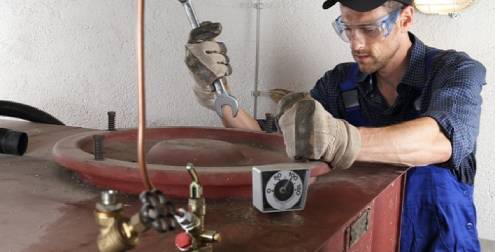
A bunded oil tank should be checked regularly and maintained properly. You do not need to interfere with the tank or attempt technical work yourself, but you can carry out basic visual checks from the outside.
Here are practical steps to reduce risk:
- Check for cracks, bulging or distortion
- Look for rust or corrosion on steel tanks
- Check for oil stains around the tank and fittings
- Watch for strong oil smells
- Make sure the tank appears level and stable
- Keep the base clear and visible
- Trim back vegetation around the tank
- Keep access clear for delivery drivers and engineers
- Check lids, gauges and visible fittings for damage
- Avoid storing items against the tank
- Keep flames, fire pits and heat sources well away
- Arrange professional help if anything looks unusual
The safest approach is simple: inspect regularly, keep the area clear and never ignore signs of damage.
Warning Signs Your Oil Tank Needs Professional Attention
You should contact a professional if you notice any of the following:
- A visible oil leak
- A strong smell of heating oil
- Cracks, splits or bulges
- Rust, corrosion or flaking metal
- A damaged lid, gauge or fitting
- A blocked or damaged vent
- A sinking or cracked base
- A tank that appears to be leaning
- Oil staining on the ground
- Dead vegetation near the tank
- Sudden changes in oil level
- Signs of impact damage
Do not wait for the issue to get worse. A small oil tank problem can quickly become more expensive if oil escapes into soil, drains or water.
Is a Bunded Oil Tank Safer Than a Single Skin Tank?
In many situations, yes. A bunded oil tank offers greater protection because it includes secondary containment.
A single skin tank has one layer of containment. If that layer fails, oil may escape directly into the surrounding area. A bunded tank has an outer protective layer designed to catch leaks from the inner tank.
This does not mean single skin tanks are always unsafe. Some may still be suitable in certain lower-risk domestic settings, depending on the property and local requirements. However, bunded tanks are widely preferred where extra protection is needed.
A bunded tank is often a better choice if:
- The tank is near drains or water
- The tank is close to a property boundary
- You want stronger environmental protection
- The location is higher risk
- The tank capacity is larger
- You want a more future-proof replacement option
- You are replacing an old or damaged tank
You can view suitable options in the Oil Tanks Plus bunded oil tanks collection.
Can a Bunded Oil Tank Catch Fire?
A bunded oil tank is not likely to catch fire during normal use. However, like any fuel storage system, it should be kept away from direct flames, intense heat and unsafe ignition sources.
Fire risk is usually controlled through correct positioning, safe installation, proper separation distances, good maintenance and sensible use of the area around the tank.
Avoid placing fire pits, barbecues, bonfires, hot works, electrical hazards or combustible storage close to the tank. If the tank is near a building or boundary, professional advice may be needed to confirm whether additional protection is required.
Does a Bunded Tank Need Maintenance?
Yes. A bunded tank still needs regular inspection and maintenance. The bund gives extra protection, but it does not remove the need for care.
Maintenance helps confirm that:
- The tank body remains in good condition
- The bund has not been damaged
- Fittings are secure
- The base remains stable
- Venting is not obstructed
- The fill point is safe and accessible
- There are no signs of leaks or contamination
If your tank is old, damaged or difficult to inspect, arrange professional advice. It is always better to deal with concerns before your next fuel delivery.
Should You Replace an Older Oil Tank With a Bunded Tank?
If your current oil tank is old, single skinned, cracked, rusty, unstable or difficult to access, replacing it with a bunded tank may be a sensible option.
You may want to consider replacement if:
- The tank is showing visible damage
- The base has moved or cracked
- You are worried about leaks
- The tank is too close to a drain or watercourse
- Your property has changed since the tank was installed
- You need a larger or more suitable tank
- You want better spill protection
- The existing tank no longer meets your needs
A professional assessment can help confirm whether repair, relocation or replacement is the best option.
FAQs About Bunded Oil Tank Safety
Can a bunded oil tank explode?
A bunded oil tank is very unlikely to explode when it is correctly installed, properly vented, used for the right fuel and maintained in good condition. Most oil tank safety concerns relate to leaks, spills, poor installation or fire exposure rather than explosion.
Is heating oil explosive?
Heating oil is combustible, but it is not as volatile as petrol. It still needs safe storage, proper tank design and sensible positioning away from flames, heat and impact risks.
What makes a bunded oil tank safer?
A bunded oil tank has secondary containment. This means the outer bund can help contain oil if the inner tank leaks, reducing the risk of environmental damage.
Do all oil tanks need to be bunded?
Not every domestic tank needs to be bunded, but bunding is required or recommended in many higher-risk situations. Site location, tank size, proximity to drains or water and installation requirements all matter.
Can I install a bunded oil tank myself?
Oil tank installation should be handled by a competent professional. Poor installation can create safety, compliance and environmental risks.
What should I do if I smell oil near my tank?
If you notice a strong oil smell, staining, wet patches or any signs of a leak, seek professional help quickly. Do not ignore it, and do not attempt major repairs yourself.
Final Thoughts
So, can a bunded oil tank explode? In normal use, with correct installation and maintenance, the risk is extremely low.
Bunded oil tanks are designed to store heating oil safely and provide secondary containment if the inner tank leaks. The most important safety steps are choosing the right tank, installing it correctly, keeping it well maintained and acting quickly if signs of damage appear.
For homeowners and businesses, a bunded tank can offer strong protection, greater peace of mind and a safer long-term storage solution.
If you are replacing an old tank, upgrading from a single skin tank or planning a new installation, explore the Oil Tanks Plus bunded oil tanks collection for suitable options and professional support.
Share This: