






Can You Store Diesel in a Bunded Oil Tank?
Contents
- 1. Can You Store Diesel in a Bunded Oil Tank? A Practical Guide for UK Users
- 1.1. Can You Store Diesel in a Bunded Oil Tank?
- 1.2. Diesel vs Heating Oil: Why Compatibility Matters
- 1.3. UK Diesel Storage Regulations: What Should You Know?
- 1.4. Why a Bunded Diesel Tank Is Often the Safer Option
- 1.5. Practical Tips for Safe Diesel Fuel Storage
- 1.6. 1. Prevent Water Contamination
- 1.7. 2. Keep the Fuel Clean
- 1.8. 3. Inspect the Tank Regularly
- 1.9. 4. Secure the Tank Against Theft
- 1.10. Diesel Storage for Farms
- 1.11. Diesel Storage for Construction Sites
- 1.12. Diesel Storage for Generators and Backup Power
- 1.13. Choosing the Right Bunded Tank for Diesel
- 1.14. Can You Use an Old Heating Oil Tank for Diesel?
- 1.15. Final Thoughts: Is a Bunded Oil Tank Suitable for Diesel?
Can You Store Diesel in a Bunded Oil Tank? A Practical Guide for UK Users
If you run a farm, manage a construction site, operate plant machinery or rely on backup generators, safe diesel storage is not something to leave to chance. Diesel is a valuable fuel, but if it is stored incorrectly, it can create serious problems, including contamination, leaks, environmental damage and costly equipment downtime.
One of the most common questions people ask is: can you store diesel in a bunded oil tank?
In many cases, yes. A correctly specified bunded oil tank can be suitable for diesel storage, provided the tank is designed for the fuel, installed properly and maintained in line with safe storage practices. In fact, for many UK users, a bunded diesel tank is one of the most practical and responsible ways to store fuel on-site.
However, not every oil tank is suitable for diesel, and not every installation will meet the right safety expectations. This guide explains what you need to know before storing diesel in a bunded tank, including tank compatibility, UK diesel storage regulations, fuel quality, maintenance and choosing the right storage solution.
Can You Store Diesel in a Bunded Oil Tank?
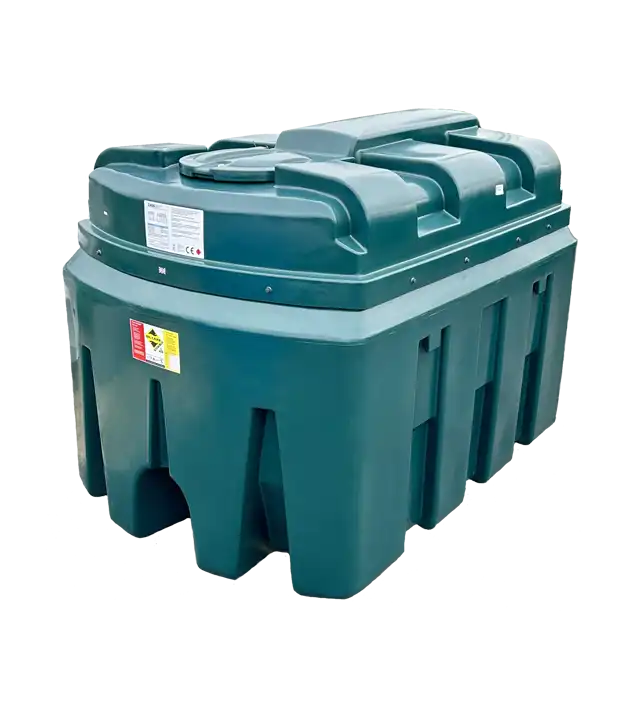
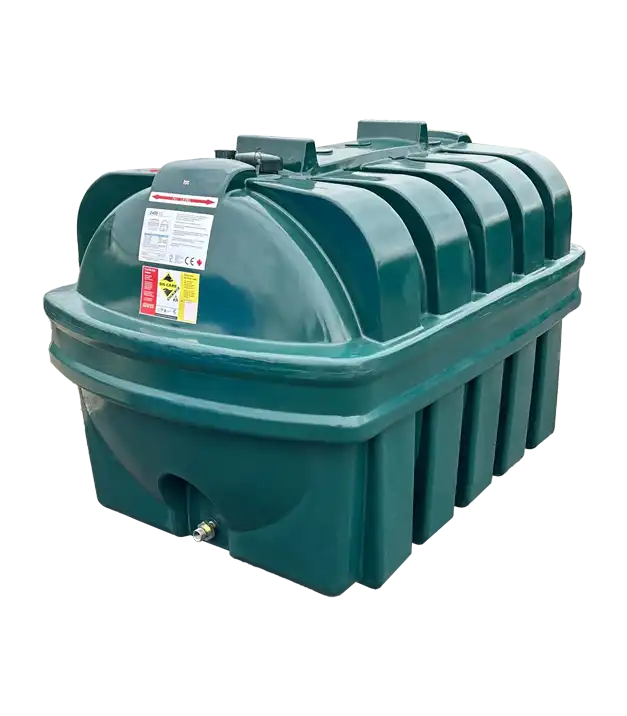
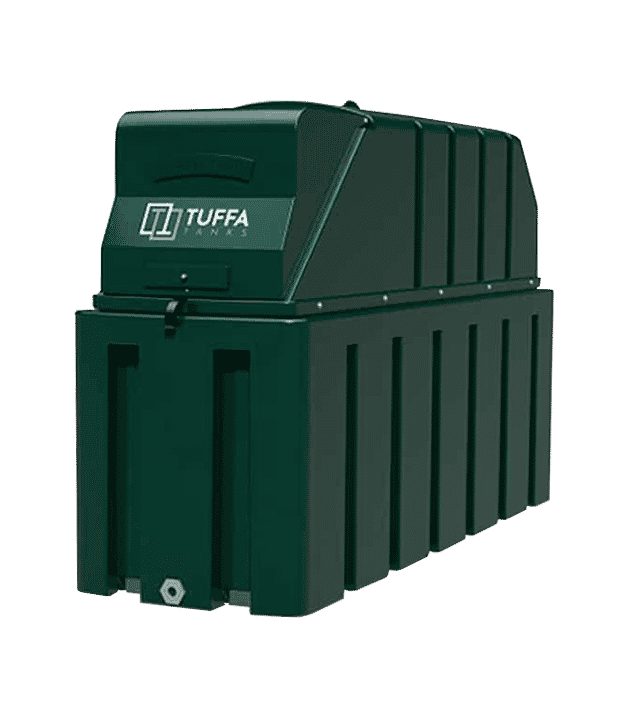
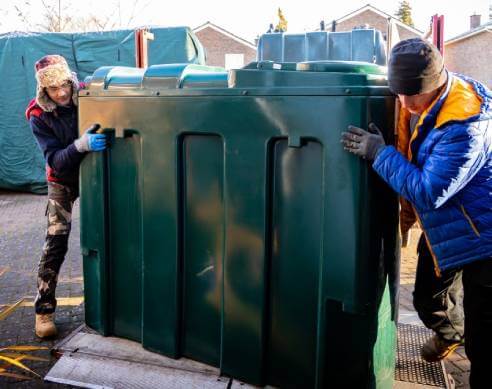
Yes, diesel can often be stored in a bunded oil tank, but only if the tank is suitable for diesel storage. A bunded tank has two layers: an inner tank that holds the fuel and an outer protective layer, known as the bund, which is designed to contain leaks or spills if the inner tank fails.
This makes bunded tanks a strong choice for safe diesel storage because they provide secondary containment. That extra protection is especially important on farms, construction sites, commercial premises and off-grid properties where a spill could contaminate soil, drains or nearby watercourses.
Although bunded tanks are often associated with heating oil, many fuel tanks are also designed for diesel, gas oil and other compatible fuels. The key is to check the tank’s specification before use. Diesel storage may require suitable fittings, dispensing equipment, filters, vents, pipework and secure access depending on how the fuel will be used.
For a deeper technical overview, this expert guide from Tuffa explains important considerations around diesel storage tanks, fuel types, storage regulations and practical site use: An Expert Guide to Diesel Storage.
Diesel vs Heating Oil: Why Compatibility Matters
Diesel and heating oil are both derived from crude oil, but they are not used in exactly the same way. Heating oil is generally used for boilers and heating systems, while diesel is commonly used in vehicles, generators, agricultural machinery, construction equipment and plant machinery.
Because diesel is often used in engines, cleanliness is extremely important. Poor-quality or contaminated diesel can block filters, damage pumps, reduce performance and cause machinery failure. That is why diesel fuel storage usually needs more attention to filtration, water control and dispensing equipment than a basic heating oil setup.
A suitable diesel storage tank may include features such as:
- Secure lockable access
- A dispensing pump
- Delivery hose and nozzle
- Fuel filters
- Water separation options
- Overfill prevention
- Clear inspection points
- Strong secondary containment
Before using any existing tank for diesel, confirm that it is rated for diesel and check whether the previous contents could have contaminated the tank. If there is any doubt, it is safer to speak to a professional before filling it.
UK Diesel Storage Regulations: What Should You Know?
UK diesel storage regulations are mainly focused on preventing pollution. Diesel spills can be difficult and expensive to clean up, especially if fuel reaches drains, soil, groundwater or nearby streams. This is why secondary containment is so important.
For many commercial, agricultural and industrial users, bunded storage is expected or required. A bunded diesel storage tank helps contain fuel if the inner tank leaks, reducing the risk of environmental damage.
As a general rule, the bund should be able to hold at least 110% of the inner tank’s capacity for a single tank. This means if the inner tank failed, the outer bund would have enough capacity to contain the stored fuel.
Other important diesel storage considerations include:
- Positioning the tank on a stable, level and suitable base
- Keeping the tank away from drains, watercourses and high-risk areas
- Protecting the tank from vehicle impact where necessary
- Keeping fill points secure and easy to access
- Using appropriate vents, valves and fittings
- Preventing unauthorised access or fuel theft
- Inspecting the tank regularly for signs of damage
The exact rules can depend on the site, tank size, location and use. Domestic, agricultural and commercial diesel storage can all have different considerations, so it is important to choose a tank that suits your application rather than assuming any oil tank will do.
Why a Bunded Diesel Tank Is Often the Safer Option
A bunded diesel tank gives you a built-in layer of protection. If the inner tank develops a fault, the outer bund helps contain the fuel and gives you time to respond before the spill becomes a larger environmental issue.
This is particularly useful for sites where diesel is stored near machinery, yards, tracks, hardstanding, buildings or drainage routes. On active sites, tanks may be exposed to knocks, changing weather, frequent refuelling and regular movement around the storage area. A bunded design reduces risk and supports safer day-to-day fuel management.
A bunded diesel tank can also make fuel storage more convenient. Many diesel tanks can be supplied with dispensing equipment, making it easier to refuel vehicles, generators and machinery on-site without relying on frequent fuel deliveries or off-site refuelling.
Practical Tips for Safe Diesel Fuel Storage
Choosing the right tank is only part of the job. Good maintenance and fuel management are just as important. Diesel can degrade or become contaminated if it is stored poorly, especially over longer periods.
Here are the key areas to focus on.
1. Prevent Water Contamination
Water is one of the biggest risks in diesel fuel storage. Condensation can form inside tanks when temperatures rise and fall, especially if there is a lot of empty air space in the tank. Over time, water can collect at the bottom of the tank and encourage microbial growth, often called diesel bug.
This can lead to sludge, blocked filters, poor fuel flow and machinery problems.
To reduce the risk:
- Keep the tank as full as practical where appropriate
- Make sure caps, lids and seals are secure
- Use a suitable water trap or separator where needed
- Check for water build-up during routine inspections
- Avoid leaving fuel unused for long periods without monitoring it
2. Keep the Fuel Clean
Diesel used in engines needs to stay clean. Dirt, rust, sludge and biological contamination can all cause problems, particularly in modern machinery with sensitive fuel systems.
Good fuel hygiene includes:
- Using proper filters on dispensing systems
- Keeping fill points clean and protected
- Checking hoses and nozzles for dirt or damage
- Avoiding open or poorly sealed containers
- Not mixing old fuel with fresh fuel unless the old fuel is still in good condition
If your machinery is struggling, filters are clogging quickly or fuel looks cloudy or dark, it may be worth checking the tank for contamination.
3. Inspect the Tank Regularly
A bunded tank offers excellent protection, but it still needs regular checks. Small issues are much easier to fix when they are caught early.
During a visual inspection, look for:
- Cracks, splits or bulges
- Damage to the outer bund
- Signs of fuel inside the bund area
- Leaking valves, pipework or fittings
- Damaged hoses or nozzles
- Loose caps or blocked vents
- Movement in the tank base
- Signs of impact damage
If you notice fuel in the bund, a strong diesel smell, visible staining or sudden fuel loss, stop using the tank and get advice before continuing.
4. Secure the Tank Against Theft
Diesel theft can be a real issue for farms, construction sites and remote properties. A secure tank protects both your fuel and your operations.
Useful security measures include:
- Lockable lids and cabinets
- Secure dispensing equipment
- Good site lighting
- Positioning the tank where it can be monitored
- Restricting vehicle access around the tank
- Checking fuel levels regularly
- Using tank alarms or monitoring systems where suitable
Security is especially important if diesel is stored in isolated areas or on sites that are not occupied overnight.
Diesel Storage for Farms
Farms often rely on diesel for tractors, loaders, generators and other machinery. During busy periods, having fuel available on-site can save time and reduce disruption. However, agricultural sites also need to protect land, drains and nearby watercourses.
A bunded diesel storage tank is usually the sensible option because it helps reduce spill risk and keeps fuel safely contained. Farmers should also think carefully about access for deliveries, refuelling areas, ground conditions and how close the tank is to water sources or drainage routes.
Diesel Storage for Construction Sites
Construction sites often use diesel for plant machinery, generators and temporary power. These environments can be higher risk because of vehicle movement, uneven ground and heavy daily use.
For construction sites, a diesel storage tank UK users can rely on should be strong, secure and easy to inspect. Depending on the site, you may also need impact protection, lockable dispensing equipment and clear procedures for refuelling.
A bunded diesel tank helps reduce the risk of accidental spills and supports safer site management.
Diesel Storage for Generators and Backup Power
Many off-grid homes, commercial premises and rural properties use diesel generators for backup or regular power. In these cases, fuel reliability is essential. If diesel becomes contaminated, the generator may fail exactly when it is needed most.
For generator fuel storage, focus on clean fuel, water prevention and regular checks. A suitable bunded tank can help protect the fuel supply while reducing environmental risk around the property.
Choosing the Right Bunded Tank for Diesel
Not every tank is right for every site. Before buying, think about how much diesel you need to store, how often it will be used, whether you need dispensing equipment and where the tank will be installed.
Important questions include:
- Is the tank rated for diesel?
- What capacity do you need?
- Will you be refuelling vehicles or machinery directly?
- Do you need a pump, hose, nozzle or filter?
- Is the tank going indoors or outdoors?
- Is the base stable, level and suitable?
- Are there drains, watercourses or buildings nearby?
- Does the site need extra security?
- Will deliveries have safe access?
You can browse the available tank options here: Oil Tanks Plus Oil Tank Range.
If you are unsure which tank is suitable for your site, it is better to ask before ordering. The team at Oil Tanks Plus can help you choose a suitable option based on your fuel type, location and usage needs.
Can You Use an Old Heating Oil Tank for Diesel?
This depends on the tank. Some tanks may be compatible with diesel, but you should not assume this automatically. The tank must be suitable for diesel, structurally sound and clean enough to avoid contamination.
Before using an old heating oil tank for diesel, check:
- The manufacturer’s fuel compatibility guidance
- The condition of the inner tank and outer bund
- Whether there is sludge, water or residue inside
- Whether the fittings are suitable for diesel use
- Whether dispensing equipment is needed
- Whether the installation meets current expectations
If the tank is old, damaged, single-skin or not clearly rated for diesel, replacing it with a suitable bunded diesel tank is usually the safer route.
Final Thoughts: Is a Bunded Oil Tank Suitable for Diesel?
So, can you store diesel in a bunded oil tank? In many cases, yes, provided the tank is designed for diesel storage and installed correctly.
A properly specified bunded diesel tank is one of the safest and most practical ways to store diesel in the UK. It helps protect your site from spills, supports environmental responsibility and keeps valuable fuel secure. For farms, construction sites, generators and commercial users, bunded storage is often the best choice.
The key is to choose the right tank, keep the fuel clean, prevent water contamination and carry out regular inspections. With the right setup and basic maintenance, you can store diesel safely and keep your machinery, vehicles or backup power systems running when you need them most.
If you need a suitable diesel or oil storage solution, explore the Oil Tanks Plus oil tank range or visit Oil Tanks Plus for help choosing the right tank for your site.
Share This: