

Do You Need to Cover Your Bunded Oil Tank?
Should a Bunded Oil Tank Be Covered? What UK Homeowners Need to Know
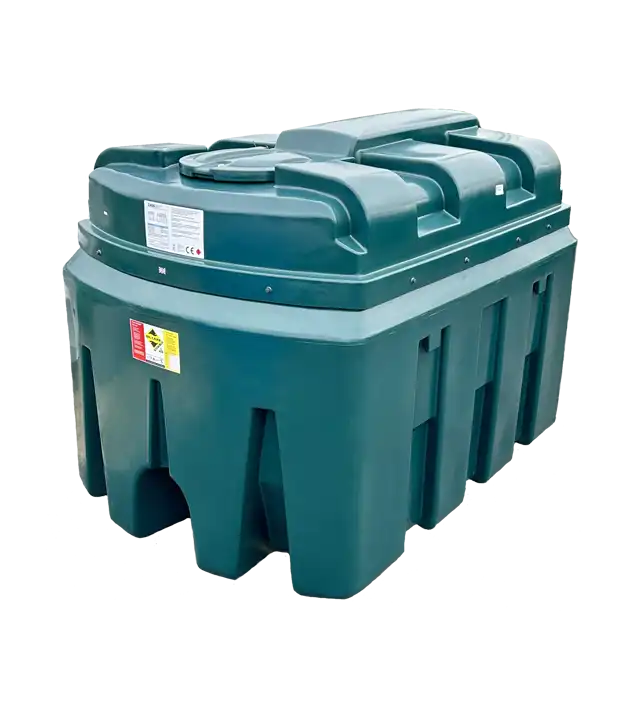
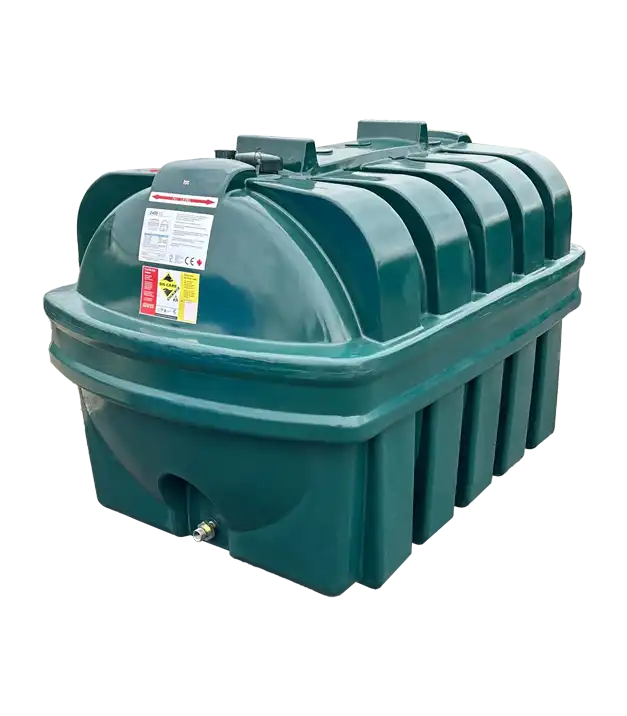
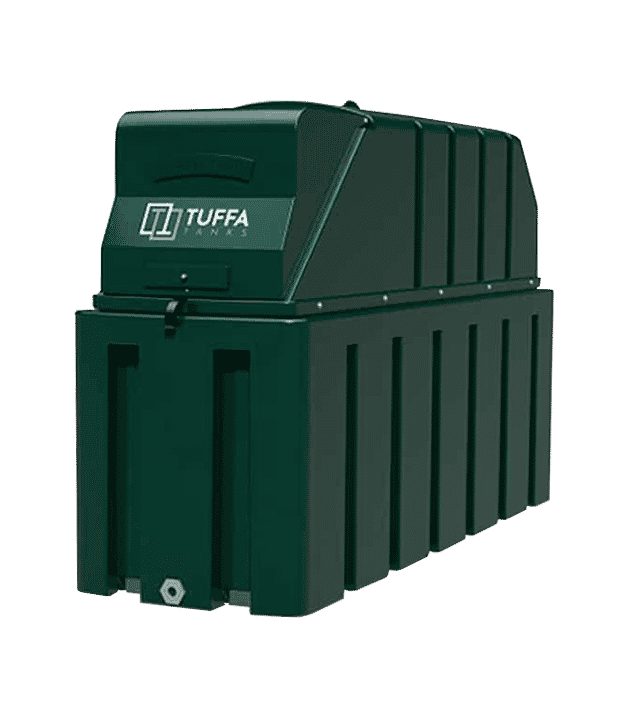
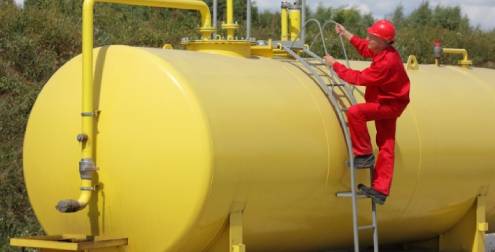
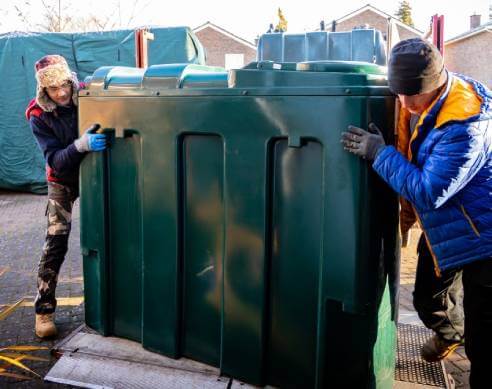
Bunded oil tanks are designed to safely store heating oil outdoors, but many homeowners and businesses ask the same question after installation: should a bunded oil tank be covered?
While modern oil tanks are manufactured to withstand outdoor conditions, factors such as prolonged UV exposure, extreme weather, and environmental debris can all influence how well a tank performs over time. Understanding whether additional protection is necessary can help extend the lifespan of your tank while maintaining safe and compliant oil storage.
In this guide, we’ll explore whether covering bunded oil tanks is recommended in the UK, when it may be beneficial, and when it could potentially create more problems than it solves.
What Is a Bunded Oil Tank?
A bunded oil tanks feature a double-skinned design consisting of:
-
An inner tank that stores heating oil
-
An outer bund that provides secondary containment
This protective outer layer helps prevent leaks or spills from reaching the surrounding environment, making bunded oil tanks the recommended standard for domestic and commercial oil storage across the UK.
They are designed in line with oil storage guidance outlined by regulatory bodies. UK government guidance also highlights the importance of maintaining oil storage systems correctly to reduce environmental risk.
Benefits of Covering a Bunded Oil Tank
In certain installations, covering your oil tank may provide additional protection against environmental exposure.
UV Protection
Prolonged exposure to sunlight can gradually degrade plastic oil tanks over time. Although bunded oil tanks are manufactured from UV-stabilised materials, installing a canopy or cover may help reduce direct sunlight exposure in open areas.
This can be particularly useful for tanks positioned in:
-
South-facing gardens
-
Exposed commercial yards
-
Coastal or elevated rural locations
Weather Protection
Heavy rainfall, snow accumulation, or falling debris may place additional strain on external fittings such as vents, gauges, or fill points.
A protective structure may reduce:
-
Surface water ingress
-
Ice formation around fittings
-
Build-up of leaves or debris
Security Considerations
In some commercial or publicly accessible environments, covering or housing an oil tank may also provide a level of protection against tampering or vandalism.
If you are installing a new tank or upgrading an existing setup, you can browse bunded oil tanks on our website to find your perfect fit.
When Covering a Tank May Not Be Necessary
Despite these advantages, covering a bunded oil tank is not always required and in some cases may be counterproductive.
Restricted Airflow
Oil tanks require adequate ventilation to prevent moisture build-up and condensation. Installing an enclosed or poorly ventilated cover may trap moisture, which could affect fuel quality over time.
Maintenance Access
Regular inspection is an important part of oil tank maintenance. A permanent cover may:
-
Limit access to the tank
-
Make visual inspections more difficult
-
Delay identification of potential issues
Modern bunded tanks are already designed to operate safely outdoors without additional coverings when installed correctly.
Commercial Installations and Site Considerations
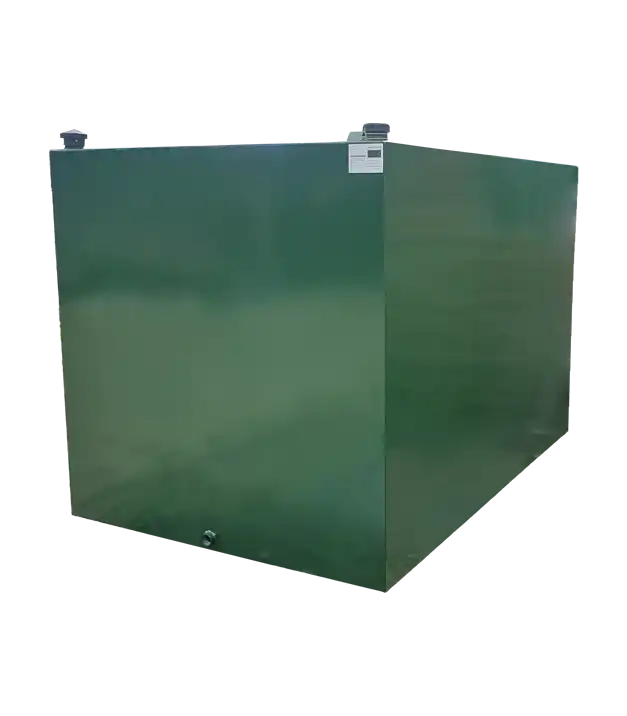
For larger storage systems in commercial settings, installing a protective structure may be more common due to increased exposure risk.
Industrial or agricultural sites may consider:
-
Security enclosures
-
Weather protection canopies
-
Bunded tank housings
You can view our range of commercial oil tanks here.
These installations often require site-specific assessments based on environmental risk and access requirements.
Balancing Practical Protection With Compliance
If you are considering covering your bunded oil tank, it’s important to ensure that:
-
Delivery access is not restricted
-
Tank ventilation is maintained
-
Inspection points remain visible
-
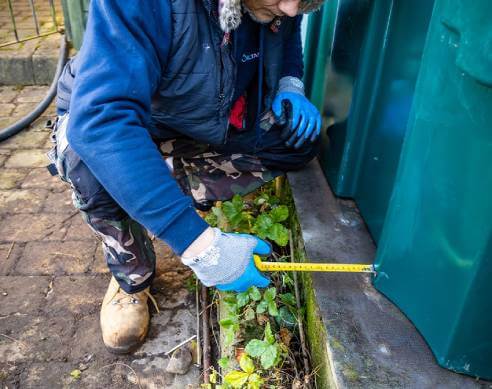
Installation distances remain compliant
Any structure installed around the tank should not interfere with current siting regulations or safe fuel delivery procedures.
Final Thoughts
In many cases, bunded oil tanks do not require additional covering when installed in accordance with UK regulations. However, in exposed environments or commercial settings, a canopy or enclosure may provide added protection against weather, debris, or tampering.
Ultimately, the decision to cover your oil tank should be based on its location, surrounding environment, and accessibility requirements.
For expert advice on choosing the right oil storage solution for your property, visit our website or contact our expert team.
Our team is here to help you maintain safe, compliant, and long-lasting oil storage.

Share This: