




5 Often Unexpected Downsides of Air Source Heat Pumps in the UK
The Disadvantages of Air Source Heat Pumps for UK Homeowners
Air source heat pumps have become one of the most heavily promoted home heating systems in the UK. With rising interest in lower-carbon heating and government incentives encouraging homeowners to move away from traditional boilers, many people are now considering whether a heat pump is the right choice for their property.
But while air source heat pumps can work well in certain homes, many UK homeowners are discovering that the reality is often far more complicated than expected. Across forums, review sites and homeowner discussions, recurring concerns continue to appear around installation costs, heating performance, hot water supply and suitability for older rural properties. These concerns are also reflected in wider industry discussions around the disadvantages of air source heat pumps and the practical challenges some households face after installation.
For households currently using heating oil, LPG or older off-grid systems, it is important to understand the potential downsides before making a major investment.
High Installation Costs Can Quickly Escalate
One of the biggest complaints surrounding air source heat pumps is the total installation cost. While advertisements often focus on government grants and potential energy savings, the full cost of converting a home can be much higher than many homeowners initially expect.
In many cases, a heat pump installation involves far more than simply replacing a boiler. Additional upgrades may include:
- Larger radiators
- New pipework
- Hot water cylinders
- Insulation improvements
- Electrical upgrades
- System redesigns
For larger rural homes or older properties, costs can easily exceed £10,000 to £15,000 once all required work is included.
Many homeowners also report frustration after discovering that their existing heating system may still have had years of life remaining, particularly with modern high-efficiency oil boilers now offering improved performance compared with much older systems.
Older UK Properties Can Struggle With Air Source Heat Pumps
A major issue with air source heat pumps in the UK is that many properties were simply not designed around low-temperature heating systems.
Air source heat pumps generally operate most efficiently when maintaining a steady lower heat output over long periods. This works best in:
- Highly insulated homes
- Modern new-build properties
- Homes with underfloor heating
- Properties with oversized radiators
However, many rural UK homes are older, larger and harder to insulate effectively. Period properties, stone-built homes and houses with high ceilings can struggle to retain heat efficiently during colder weather.
This often leads to complaints about:
- Rooms not reaching comfortable temperatures
- Long heating times
- Cold spots in larger rooms
- Reduced performance during winter
- High electricity usage when temperatures drop
For homeowners used to the stronger heat output of oil-fired systems, the difference in heating feel can sometimes come as a surprise.
Hot Water Performance Is Another Common Complaint
One issue that frequently appears in homeowner discussions is hot water performance.
Unlike traditional oil boilers, some air source heat pump systems prioritise hot water production separately from space heating. This can occasionally result in:
- Heating temporarily switching off during hot water demand
- Slower hot water recovery
- Lower hot water temperatures
- Increased reliance on immersion heaters
In larger family homes where multiple bathrooms or high hot water demand are common, this can become particularly noticeable during winter months.
Many homeowners only discover these limitations after installation, especially if the system was not properly designed around the property’s actual heating requirements. Industry commentary around air source heat pump disadvantages also highlights that property suitability, performance expectations and system design should all be considered carefully before switching.
Installation Quality Matters More Than Many Realise
Another major concern is poor installation quality.
Air source heat pumps require careful property assessments, accurate heat-loss calculations and correct system sizing. If a unit is undersized, the system may struggle continuously during colder weather while using more electricity than expected.
Unfortunately, some homeowners report that installations were rushed or poorly specified, leaving them with systems that never fully meet the heating demands of the property.
Unlike replacing a standard boiler, air source heat pump systems are heavily dependent on:
- Correct sizing
- Property insulation levels
- Radiator compatibility
- Flow temperature settings
- System balancing
A poorly designed installation can dramatically affect comfort levels and running costs.
Why Many Rural Homeowners Still Prefer Oil Heating
While air source heat pumps can suit certain homes, modern oil heating systems continue to offer several advantages for off-grid rural properties across the UK.
Modern oil boilers are now significantly more efficient than older models and remain well suited to larger homes that require stronger and faster heat output.
For many households, oil heating can provide:
- Powerful heating performance during cold weather
- Fast hot water recovery
- Lower upfront replacement costs
- Compatibility with existing radiators and pipework
- Less disruption during installation
- Familiar servicing and maintenance requirements
- Reliable heating for larger rural properties
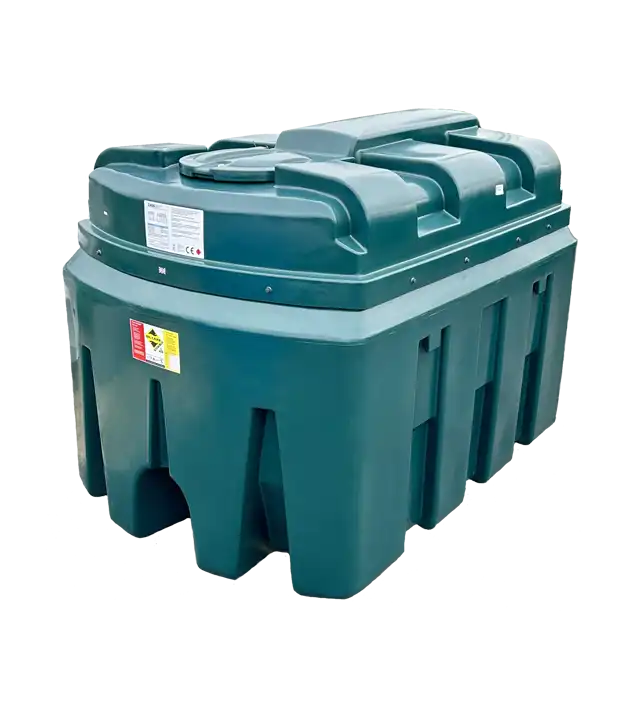
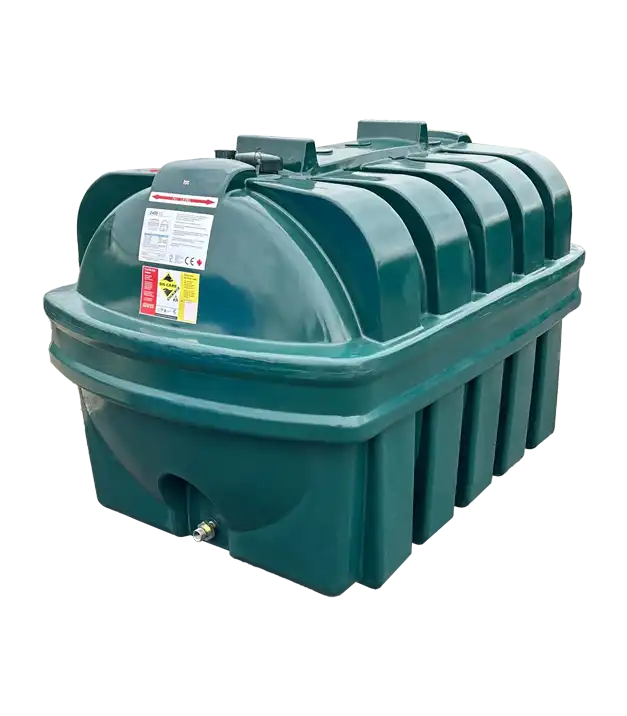
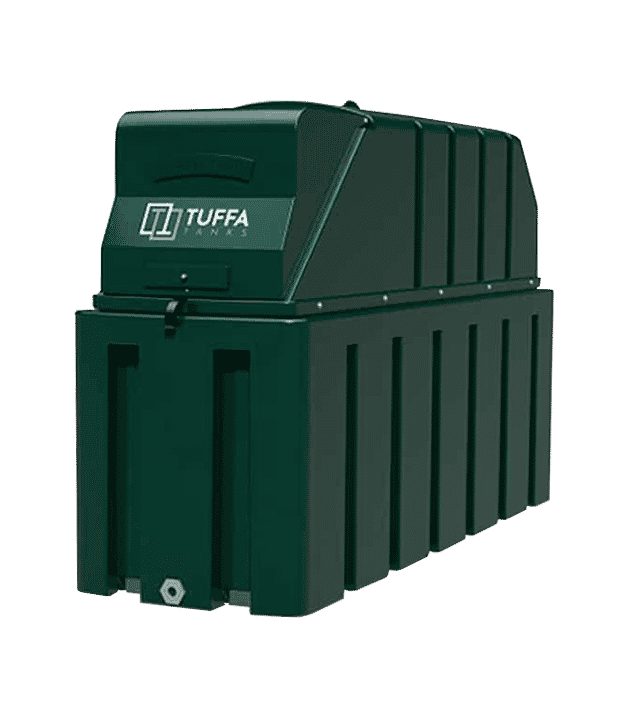
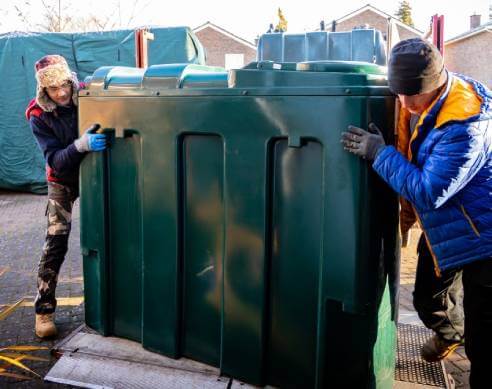
For homes that already have an existing oil tank and infrastructure in place, replacing or upgrading an oil boiler can often be far simpler and more cost-effective than a full air source heat pump conversion. Homeowners who need to replace or upgrade their tank can explore the full Oil Tanks Plus oil tank range to find suitable options for domestic and rural properties.
Heating oil also gives homeowners the flexibility to purchase fuel strategically when prices are lower, rather than relying entirely on fluctuating electricity prices year-round.
Choosing the Right Heating System for Your Property
The reality is that there is no universal heating solution that suits every UK property.
Air source heat pumps may work well in highly insulated modern homes, but for many older, larger or off-grid rural properties, the transition can involve significant costs and compromises that are not always obvious at the start.
Before making any decision, homeowners should carefully assess:
- Property insulation levels
- Existing radiator sizes
- Hot water demand
- Installation costs
- Long-term running costs
- Suitability for colder weather performance
For many rural homeowners, modern oil heating systems still remain a practical, reliable and cost-effective solution that continues to perform well in real-world UK conditions.
If you are considering replacing your oil tank or need advice on a suitable setup for your property, you can contact Oil Tanks Plus for guidance.
Share This: