

How to Decommission an Old Heating Oil Tank Safely
Contents
- 1 How to Decommission and Dispose of an Old Heating Oil Tank in the UK
- 1.0.1
- 1.0.2 When Does an Oil Tank Need to Be Decommissioned?
- 1.0.3
- 1.0.4 Switching to a Different Heating System
- 1.0.5
- 1.0.6 Property Renovations or Landscaping
- 1.0.7
- 1.0.8 Safety and Environmental Concerns
- 1.0.9
- 1.0.10 Understanding Oil Tank Regulations in the UK
- 1.0.11
- 1.0.12 The Key Steps in Domestic Oil Tank Decommissioning
- 1.0.13
- 1.0.14 Environmental Risks of Improper Oil Tank Removal
- 1.0.15
- 1.0.16 Why Homeowners Should Use Professional Oil Tank Removal Services
- 1.0.17
- 1.0.18 Documentation and Records
- 1.0.19
- 1.0.20 Oil Tank Removal and Disposal Services from Oil Tanks Plus
- 1.0.21 Final Thoughts
How to Decommission and Dispose of an Old Heating Oil Tank in the UK
For many homes across rural and off-grid parts of the UK, heating oil remains an essential source of energy. At the centre of every oil-fired heating system is the storage tank that holds the fuel used to heat the property.
However, heating oil tanks do not last forever. Over time they can deteriorate, become unsafe, or simply need replacing as part of a heating upgrade. When that happens, proper oil tank decommissioning and disposal becomes essential to protect both your property and the environment.
Removing an old tank involves far more than simply disconnecting it and taking it away. The process must follow strict safety procedures to prevent fuel leaks, soil contamination, and regulatory issues.
In this guide, we explain how domestic oil tank removal works in the UK, the steps involved in safely decommissioning a tank, and why professional removal services are strongly recommended for homeowners.
When Does an Oil Tank Need to Be Decommissioned?
There are several situations where heating oil tank removal becomes necessary. Some are planned, such as replacing an ageing tank, while others may be urgent if the tank develops a fault.
Replacing an Ageing Oil Tank
Most domestic oil tanks typically last 15 to 20 years, although this can vary depending on the material, installation location, and maintenance. Plastic tanks often last longer than older steel models, but exposure to weather, UV light, and temperature changes will eventually cause wear.
Signs that an oil tank may need replacing include:
-
Visible cracks or bulging in the tank body
-
Rust or corrosion on steel tanks
-
Oil smells or damp patches near the tank
-
Unstable bases or leaning tanks
When a tank reaches the end of its life, safe oil tank disposal and replacement is the best way to avoid leaks or heating disruption.
Switching to a Different Heating System
Some homeowners choose to switch away from oil heating altogether, moving to alternative systems such as heat pumps, LPG, or mains gas where available.
When the oil heating system is removed, the tank becomes redundant and should be professionally decommissioned and removed to eliminate potential environmental risks.
Property Renovations or Landscaping
Major property renovations can sometimes require the relocation or removal of an oil tank.
For example, homeowners may need to remove a tank when:
-
Building an extension
-
Redesigning a garden or driveway
-
Installing new outdoor structures
-
Improving property access or drainage
In these cases, professional oil tank removal ensures the tank is removed safely without damaging surrounding ground or infrastructure.
Safety and Environmental Concerns
Damaged tanks or those installed incorrectly can pose significant environmental risks.
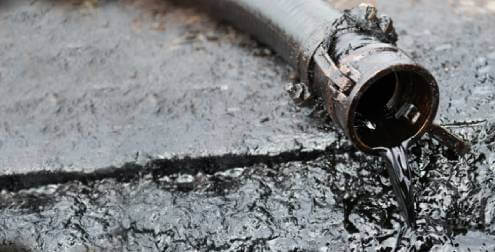
Heating oil leaks can contaminate soil, drainage systems, and nearby water sources. Even a small spill can cause expensive cleanup costs and potentially lead to regulatory issues.
This is why proper oil tank decommissioning procedures are essential when a tank is no longer required.
Understanding Oil Tank Regulations in the UK
Heating oil storage in the UK is governed by environmental regulations designed to prevent pollution and fuel spills.
Domestic oil tanks must be installed and maintained according to guidance that includes:
-
Proper tank siting distances from buildings
-
Suitable bases and foundations
-
Adequate containment systems
-
Protection from accidental damage
When removing a tank, homeowners must also ensure that the fuel is handled responsibly and that the tank is disposed of through appropriate channels.
Industry resources such as
https://www.boilerjuice.com/uk/articles/tips-and-advice/oil-tank-removal-and-disposal
offer further information about oil tank removal requirements and best practices.
Working with experienced professionals ensures that the decommissioning process complies with relevant regulations and environmental standards.
The Key Steps in Domestic Oil Tank Decommissioning
Removing a heating oil tank involves several stages designed to ensure safe handling of fuel and waste materials.
1. Removing Remaining Heating Oil
Before a tank can be removed from a property, any remaining heating oil must be extracted safely.
Professional technicians use specialised pumping equipment to remove the fuel from the tank. In many cases, the oil can be transferred to a replacement tank or stored for later use.
Attempting to remove heating oil yourself can be dangerous and increases the risk of spills, which is why this stage should always be handled by trained professionals.
2. Sludge and Sediment Removal
Over time, heating oil tanks naturally accumulate sludge and sediment at the bottom.
This sludge forms due to:
-
Condensation inside the tank
-
Fuel degradation over time
-
Dirt or debris entering the system
Sludge can contain contaminants that must be removed before the tank is transported or disposed of.
Professional contractors use vacuum extraction equipment to remove this residue safely.
3. Tank Cleaning
Once oil and sludge have been removed, the tank needs to be thoroughly cleaned.
Cleaning ensures that:
-
No fuel residue remains inside the tank
-
The tank can be handled safely during transport
-
The tank meets waste disposal requirements
Cleaning also helps reduce environmental risks and ensures the tank can be recycled or processed correctly.
4. Safe Disconnection from Pipework
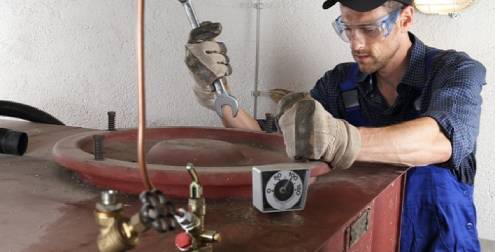
The tank must then be disconnected from the heating system.
This includes:
-
Isolating the oil supply line from the boiler
-
Removing filters, gauges, and fittings
-
Disconnecting outlet pipes
-
Sealing or capping pipework
Proper disconnection prevents oil leaks and ensures the remaining heating system components are left safe and secure.
5. Physical Tank Removal
After the tank has been emptied, cleaned, and disconnected, it can be removed from the property.
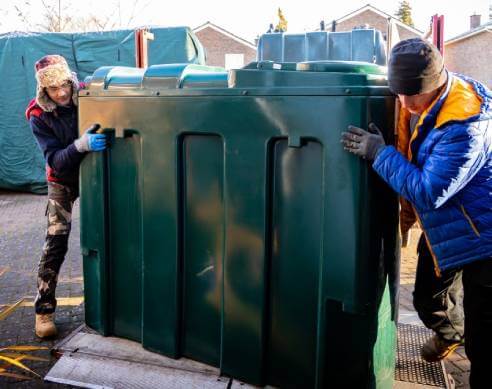
The removal method depends on the tank size and location. Smaller domestic tanks can often be lifted manually or using lifting equipment, while larger tanks may require specialist removal tools.
Care must be taken to avoid damaging nearby surfaces, landscaping, or building structures.
6. Responsible Oil Tank Disposal or Recycling
Once removed, the tank must be disposed of responsibly.
Depending on the material, it may be:
-
Recycled through metal recycling facilities (for steel tanks)
-
Processed through specialist waste facilities
-
Recycled through approved plastic waste channels
Proper disposal ensures that tank materials are handled safely and that no harmful residues enter the environment.
Guidance on safe heating oil disposal and environmental responsibility can also be found through resources such as
https://certasenergy.co.uk/news/domestic-guides/how-to-dispose-of-your-home-heating-oil-safely/
Environmental Risks of Improper Oil Tank Removal
Removing a heating oil tank without following proper procedures can create serious environmental issues.
Even small quantities of heating oil can contaminate large areas of soil and groundwater. If a leak occurs during removal, the cost of cleanup can be extremely high.
Potential consequences include:
-
Soil contamination
-
Groundwater pollution
-
Damage to nearby drainage systems
-
Expensive environmental remediation
For this reason, professional oil tank removal is strongly recommended for homeowners.
Experienced contractors have the equipment and expertise required to prevent spills and manage fuel safely.
Why Homeowners Should Use Professional Oil Tank Removal Services
Although removing an oil tank may appear straightforward, the process involves several technical and environmental considerations.
Professional removal services provide several advantages.
Safety
Handling heating oil and sludge requires specialised equipment and training. Professionals understand how to minimise risks during the removal process.
Environmental Protection
Professional contractors follow procedures designed to prevent fuel spills and environmental contamination.
Compliance
Experienced companies understand UK regulations surrounding oil storage and disposal.
Convenience
Oil tank removal specialists can manage the entire process, from draining the tank to transporting and disposing of it.
This saves homeowners time while ensuring the work is completed correctly.
Documentation and Records
After an oil tank has been removed, it is important to keep documentation related to the process.
Records may include:
-
Waste disposal documentation
-
Removal service invoices
-
Confirmation of safe disconnection
Keeping these documents can be useful when selling your property, as they demonstrate that the tank was removed responsibly and according to environmental guidance.
Oil Tank Removal and Disposal Services from Oil Tanks Plus
If you need to remove an old heating oil tank, working with experienced specialists ensures the process is handled safely from start to finish.
At Oil Tanks Plus, we provide professional services for homeowners across the UK who need help with oil tank removal, decommissioning, and disposal.
Our team can assist with:
-
Domestic heating oil tank removal
-
Safe tank decommissioning
-
Oil tank disposal and recycling
-
Advice on replacing your tank with a modern system
You can learn more about our oil tank disposal services on our website Oil Tanks Plus.
If you would like to speak with our team contact us for advice from our friendly team!
Final Thoughts
Heating oil tanks play an essential role in many off-grid heating systems across the UK. However, like any piece of equipment exposed to weather, fuel, and time, they will eventually reach the end of their safe working life. When that happens, proper decommissioning becomes a critical step in protecting your property, safeguarding the surrounding environment, and ensuring your heating system remains compliant with current regulations.
Old or unused oil tanks can pose serious risks if left in place without being properly emptied, cleaned, and removed. Residual oil, sludge build-up, and structural deterioration can all increase the chances of leaks or contamination. By arranging safe oil tank decommissioning and disposal, homeowners can prevent environmental damage while also preparing their property for future heating upgrades or a new replacement tank.
Working with experienced professionals ensures that the entire process is handled correctly, from draining remaining fuel and removing waste oil to transporting and disposing of the tank in accordance with UK environmental standards.
If you’re planning to replace or remove an old heating oil tank, Oil Tanks Plus provides trusted expertise, safe disposal services, and reliable solutions to make the process simple and stress-free. Our team can guide you through every stage of oil tank decommissioning, helping you protect your home while ensuring everything is carried out safely and responsibly.

Share This: