

How to Keep Your Oil Tank Area Safe and Tidy in Summer
Contents
- 1 How to Keep Your Oil Tank Area Safe and Tidy This Summer
- 1.1 Quick Answer: What Should You Check Around an Oil Tank in Summer?
- 1.2 Why Summer Is a Good Time for Oil Tank Maintenance
- 1.3 Clear Vegetation Around the Tank
- 1.4 Remove Clutter and Garden Items
- 1.5 Check the Oil Tank Base
- 1.6 Inspect Visible Pipework and Fittings
- 1.7 Keep Access Clear for Oil Deliveries
- 1.8 Check Locks, Fencing and Covers
- 1.9 Look for Signs of Leaks or Damage
- 1.10 How Much Space Should You Keep Around an Oil Tank?
- 1.11 When Does a Domestic Oil Tank Need a Bund?
- 1.12 Should You Replace an Old Oil Tank?
- 1.13 Simple Summer Oil Tank Checklist
- 1.14 FAQs About Summer Oil Tank Maintenance
- 1.15 Final Thoughts
How to Keep Your Oil Tank Area Safe and Tidy This Summer
Summer is one of the best times of year to check the area around your oil tank. The weather is milder, the garden is easier to access, and many households are using less heating oil than they would during winter. That makes it the ideal moment to spot small problems before they turn into expensive repairs, delivery issues or safety concerns.
Good oil tank maintenance is not just about the tank itself. The space around your heating oil tank matters too. Overgrown plants, blocked pipework, unstable bases, poor access and hidden fittings can all make it harder to inspect, refill and look after your tank properly.
Whether you have a domestic oil tank for home heating or a larger storage system for a rural property, keeping the oil tank area safe and tidy can help protect your home, your garden and the environment.
In this guide, we’ll cover simple summer oil tank checks you can carry out, what to look for around the base and pipework, how much clearance to leave, and when it may be time to speak to a professional.
Quick Answer: What Should You Check Around an Oil Tank in Summer?
To keep your oil tank area safe in summer, clear away vegetation, remove clutter, check the tank base, inspect visible pipework, look for signs of leaks, keep delivery access open and make sure security features such as locks, fencing and caps are in good condition. You should also arrange professional oil tank inspection if you notice cracks, bulging, rust, movement, staining, strong oil smells or damage to fittings.
For official guidance on storing oil safely at home, GOV.UK explains that property owners are usually responsible for their oil storage container and recommends regular checks and annual inspections by a competent person. You can read the government guidance here: GOV.UK oil storage regulations and safety.
Why Summer Is a Good Time for Oil Tank Maintenance
During the colder months, most homeowners focus on keeping the heating running. By the time summer arrives, the pressure is lower, which gives you a good opportunity to inspect your oil tank area properly.
There are a few reasons summer maintenance makes sense:
- Plants and hedges grow quickly in warmer weather
- Dry conditions make it easier to see cracks, staining or movement
- Delivery access can be checked before autumn demand increases
- Lower heating usage gives you time to arrange repairs or replacement
- Outdoor checks are easier when the weather is mild
A heating oil tank can sit quietly in the background for years, but that does not mean it should be ignored. A quick monthly visual check can help you spot early signs of wear before they develop into more serious problems.
Clear Vegetation Around the Tank
One of the most common summer issues is overgrown vegetation. Grass, weeds, hedges and climbing plants can quickly cover the base of the tank, hide pipework or make it difficult for engineers and delivery drivers to access the area.
Trim back anything growing too close to the tank. You should be able to walk around the tank safely, see the base clearly and access the fill point, vent, gauge and visible pipework without obstruction.
Avoid letting plants grow underneath or against the tank. Vegetation can trap moisture, hide leaks and make it harder to see whether the base is still stable. It can also attract pests, which may damage surrounding insulation, pipework or garden structures.
This is a simple job, but it makes a real difference. A clear oil tank area makes inspections quicker, safer and more effective.
Remove Clutter and Garden Items
Your domestic oil tank area should not be used as a general storage space. Garden tools, plant pots, logs, outdoor furniture, bins and children’s toys can all create access problems or trip hazards.
A cluttered oil tank area can also make it harder to spot warning signs such as oil staining, damp patches, cracked supports or damaged fittings. If an engineer needs to inspect the tank or a delivery driver needs access, obstacles can slow the process down or make it unsafe.
Try to keep the area around the tank clean, open and easy to reach. This is especially important if your tank is tucked behind a garage, shed, fence or garden wall.
Check the Oil Tank Base
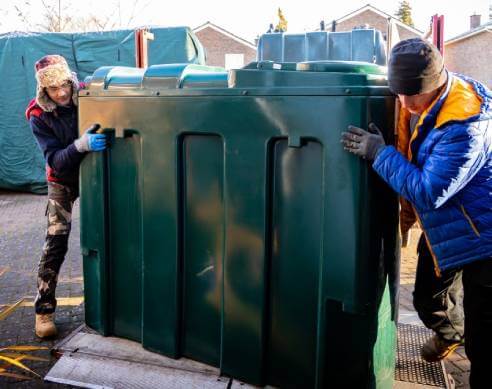
The base is one of the most important parts of any oil tank setup. It supports the full weight of the tank and the fuel inside it. If the base starts to sink, crack, lean or break down, the tank can become unstable.
During summer, take a careful look at the base and supports. Check for:
- Cracking concrete
- Uneven slabs
- Signs of sinking or movement
- Gaps under the tank
- Erosion around the base
- Water pooling nearby
- Plants growing up through the base
The tank should sit level and secure. If it appears to be leaning, dipping or unsupported in places, do not ignore it. A poor base can put strain on the tank and pipework, increasing the risk of future damage.
If you are unsure whether your base is suitable, it is best to get professional advice before the problem gets worse.
Inspect Visible Pipework and Fittings
Your oil tank is only one part of the system. Pipework, fittings, valves, vents and gauges all need to remain visible, secure and accessible.
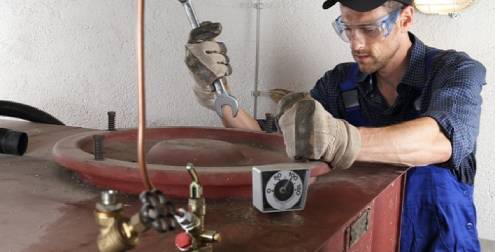
Look for signs of damage, rust, wear, movement or staining around any visible fittings. Make sure plants, soil, gravel or garden furniture are not blocking access. If pipework is hidden or difficult to inspect, small leaks can go unnoticed for longer than they should.
You should also check that the fill point and vent area can be accessed safely. GOV.UK guidance notes that domestic oil storage can be a concern where vent pipes cannot be seen during filling, so clear visibility matters for safe delivery as well as day-to-day maintenance.
For a practical maintenance overview, YOBCo’s guide also highlights the importance of keeping your oil tank clean, secure and inspected regularly. You can read their guide here: How To Maintain Your Oil Tank: A Guide.
Keep Access Clear for Oil Deliveries
Delivery access is easy to forget until the tanker arrives. If the route to your tank is blocked by garden furniture, locked gates, bins, parked vehicles or overgrown plants, it can delay the delivery or make it harder to complete safely.
In summer, take a few minutes to walk the route a delivery driver would use. Ask yourself:
- Can the tank be reached safely?
- Is the fill point easy to identify?
- Are gates working properly?
- Is the path clear of trip hazards?
- Are pets, tools and garden items out of the way?
- Is the tank visible enough for safe filling?
This matters even more before autumn and winter, when demand for heating oil increases and missed deliveries can become more inconvenient.
Check Locks, Fencing and Covers
Oil tank safety also includes security. If your tank is protected by fencing, gates, locks or covers, check that everything is still in good condition.
Look for broken hinges, loose panels, damaged padlocks, cracked covers or anything that could make the oil tank area unsafe. If you use a lockable cap, make sure it opens and closes properly before your next oil delivery.
Security is not just about preventing theft. It also helps stop children, pets or unauthorised people from accessing the oil tank area. A tidy, secure oil tank area gives you better control over who can reach the system.
Look for Signs of Leaks or Damage
A summer check should always include a visual inspection of the tank itself. You are not expected to carry out technical testing, but you can look for obvious warning signs.
Common oil tank problems include:
- Cracks in plastic tanks
- Bulging or misshapen sides
- Rust on steel tanks
- Dents or impact damage
- Strong oil smells
- Staining on the ground
- Dead grass or plants near the tank
- Damp or oily patches
- Damaged fittings
- Sudden drops in fuel level
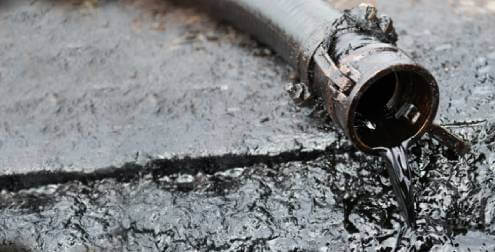
If you suspect an oil leak or spill, do not try to clean it up yourself. GOV.UK advises following the information on your tank sticker and getting help from the relevant professionals, such as your insurer, oil supplier or the Environment Agency.
Oil spills can be expensive and damaging, so it is always better to act quickly.
How Much Space Should You Keep Around an Oil Tank?
There is no single clearance rule that applies to every domestic oil tank in every setting, because the correct siting depends on the tank type, capacity, location, nearby buildings, boundaries, drains, watercourses and fire safety requirements.
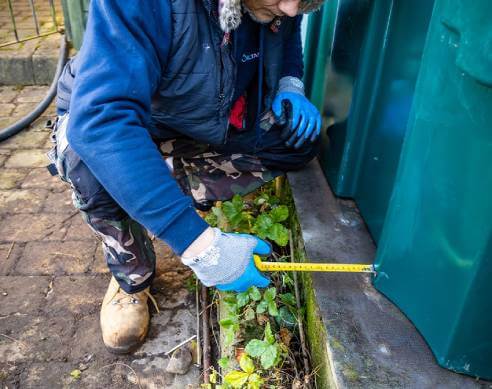
As a practical maintenance rule, you should keep enough clear space around the tank for safe access, inspection and delivery. A commonly used guideline is to leave at least 600mm to 1 metre where possible, but some sites may need more depending on the installation.
The safest approach is this: if you cannot comfortably inspect the tank, reach the fittings or walk around the area safely, the space is too restricted.
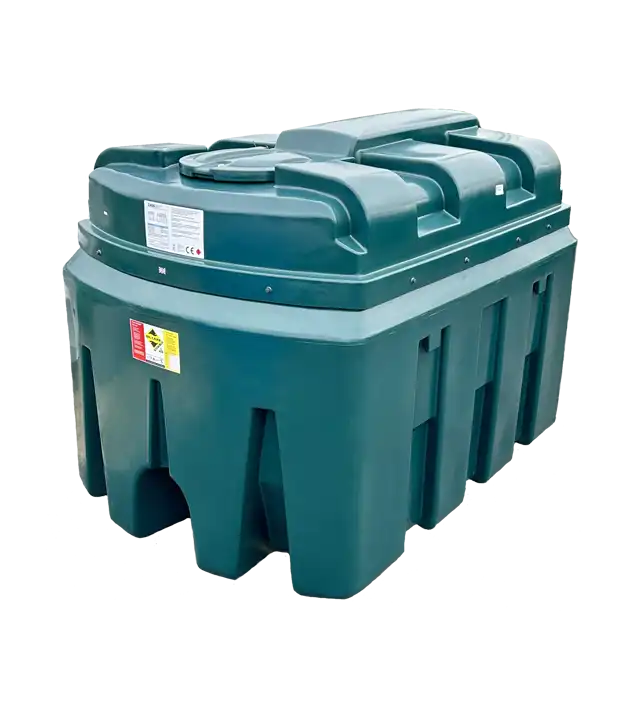
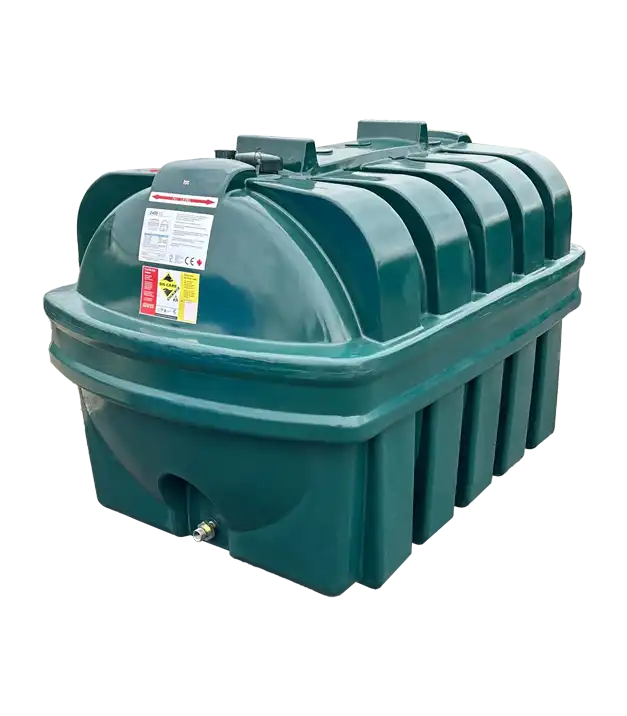
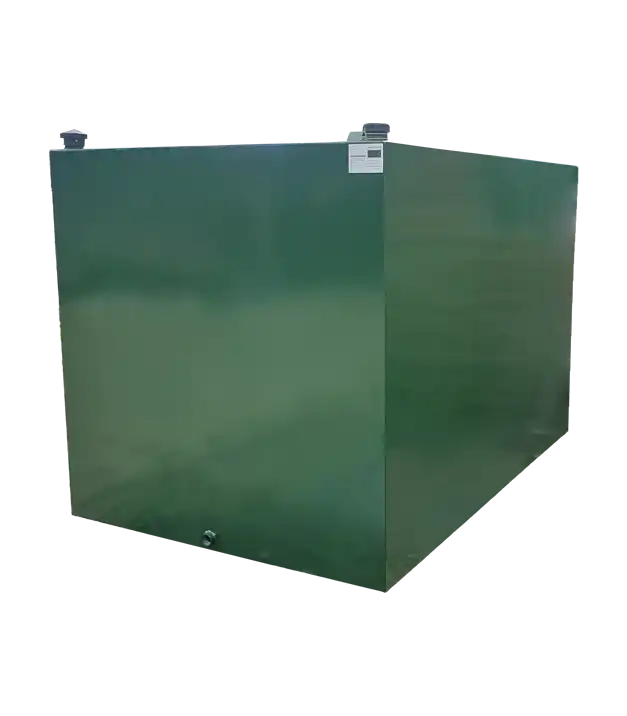
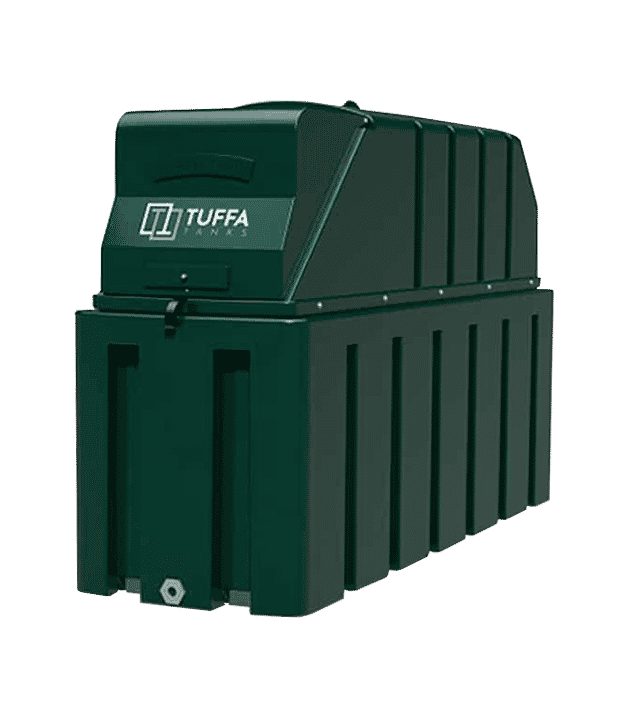
If you are planning a new tank, relocating an existing tank or replacing an older model, professional advice is important. Oil Tanks Plus offers a wide range of options, including bunded tanks, single skinned tanks, steel tanks and fire rated tanks. You can view the available range here: Oil Tanks Plus oil tank range.
When Does a Domestic Oil Tank Need a Bund?
A bunded oil tank has a protective outer layer designed to contain oil if the inner tank fails. This makes it a popular choice for many homes, especially where environmental risk, location or capacity makes extra protection important.
According to GOV.UK guidance for home oil storage, you will need a bund if your domestic tank can hold more than 2,500 litres of oil. A bund may also be required in other higher-risk situations, such as where a spill could reach drains, watercourses or sensitive areas.
If you are unsure whether your tank should be bunded, it is worth getting expert advice. Choosing the right tank at the start can help avoid compliance issues, reduce environmental risk and provide better long-term peace of mind.
Should You Replace an Old Oil Tank?
Summer is a good time to think about oil tank replacement because you usually have more flexibility before colder weather returns. If your tank is showing signs of age, damage or poor support, it is better to deal with it before winter demand increases.
You may need to consider replacement if you notice:
- Cracking
- Bulging
- Severe rust
- Repeated leaks
- An unstable base
- Damaged fittings
- Poor access
- Non-compliant siting
- A tank that is near the end of its expected lifespan
Oil Tanks Plus provides oil tank installation, replacement, disposal and recycling services across the UK. You can learn more about the company and its services here: Oil Tanks Plus.
Simple Summer Oil Tank Checklist
Use this quick checklist to keep your oil tank area safe and tidy:
- Trim back grass, hedges and weeds
- Remove clutter around the tank
- Check the base for cracks or movement
- Make sure pipework and fittings are visible
- Look for oil stains, smells or damp patches
- Check the tank for cracks, bulging, rust or dents
- Keep the delivery route clear
- Check gates, fencing, locks and covers
- Make sure the tank sticker is visible
- Book a professional inspection if anything looks wrong
These checks do not replace expert servicing, but they can help you spot obvious problems early.
FAQs About Summer Oil Tank Maintenance
How often should I check my oil tank?
GOV.UK recommends that oil storage containers are inspected every year by someone registered with a competent person scheme. It also refers to monthly checks for damage or leaks. A simple monthly visual check is a good habit for homeowners.
Can plants grow around an oil tank?
Plants should not be allowed to grow too close to the tank. Overgrown vegetation can block access, hide leaks, trap moisture and make inspections harder. Keep the area clear enough to inspect the tank, base and fittings safely.
What should I do if I smell oil near my tank?
A strong oil smell may suggest a leak or spill. Check visually from a safe distance and avoid trying to clean up oil yourself. Follow the advice on your tank sticker and contact the appropriate professionals for help.
Is summer a good time to replace an oil tank?
Yes. Summer can be a sensible time to arrange oil tank replacement because heating demand is usually lower and outdoor work is easier. If your tank is old, damaged or difficult to access, dealing with it before winter can prevent bigger problems later.
Do I need a bunded oil tank?
You may need a bunded oil tank depending on your tank capacity, location and environmental risk. GOV.UK states that domestic tanks over 2,500 litres need a bund, and other site-specific risks can also affect what is required.
Final Thoughts
Keeping your oil tank area safe and tidy this summer is a simple job that can make a big difference. By clearing vegetation, removing clutter, checking the base, inspecting visible fittings and keeping delivery access open, you make it easier to spot issues before they become serious.
A well-maintained oil tank area helps protect your home, your heating system and the surrounding environment. It also gives engineers and delivery drivers the access they need to work safely and efficiently.
If your tank is damaged, ageing, difficult to access or no longer suitable for your property, Oil Tanks Plus can help with expert guidance, oil tank replacement, installation, disposal and servicing.
To explore suitable options, visit the Oil Tanks Plus oil tank range or request advice through Oil Tanks Plus.
Share This: