


Is Summer the Best Time to Fill Your Oil Tank?
Contents
- 1 Is Summer the Best Time to Fill Your Oil Tank?
- 1.0.1 Why Filling Your Oil Tank in Summer Can Make Sense
- 1.0.2 Is Heating Oil Cheaper in Summer?
- 1.0.3 When Should I Fill My Oil Tank?
- 1.0.4 Check Your Oil Tank Before Booking a Refill
- 1.0.5 Why Summer Is a Good Time for Heating Oil Tank Maintenance
- 1.0.6 Could Your Oil Tank Need Replacing?
- 1.0.7 Choosing the Right Tank for Your Home
- 1.0.8 Should You Completely Fill Your Oil Tank?
- 1.0.9 Final Thoughts: Is Summer the Best Time to Fill Your Oil Tank?
Is Summer the Best Time to Fill Your Oil Tank?
For many UK homeowners, heating oil is something that only comes to mind when the weather turns cold. But waiting until autumn or winter to check your tank can leave you dealing with higher demand, tighter delivery slots, and the stress of running low when your heating is needed most.
That is why many households ask the same question each year: is summer the best time to fill your oil tank?
The honest answer is that summer can be one of the most sensible times to arrange a refill, but not always because it guarantees the cheapest price. Heating oil prices can move throughout the year due to global oil markets, supplier demand, delivery pressure, and local availability. However, summer does offer several practical advantages that can make life much easier before the colder months arrive.
In this guide, we will look at the benefits of filling your oil tank in summer, when to order heating oil, what to check before a delivery, and when your tank may need maintenance or replacement.
Why Filling Your Oil Tank in Summer Can Make Sense
Summer may feel like the wrong time to think about heating, but it is often one of the best times to prepare your home for winter. When your heating usage drops, you have more time to check your tank, monitor your fuel level, and arrange a delivery without the pressure of cold weather.
A summer refill can help you:
- Prepare early for autumn and winter
- Reduce the risk of running out during peak heating season
- Avoid the rush when demand increases
- Give yourself more flexibility with delivery dates
- Spot potential tank issues before they become urgent
Heating oil is still used in many homes outside the main heating season, especially for hot water. That means your tank level can continue to fall even when your radiators are barely being used. Keeping an eye on your oil level through summer can help you avoid being caught out later in the year.
For more advice on timing your refill, Certas Energy has a useful guide on when you should fill your heating oil tank.
Is Heating Oil Cheaper in Summer?
One of the biggest reasons people consider filling their tank in summer is price. In many years, heating oil demand is lower during warmer months because fewer homes are using large amounts of fuel for heating. Lower demand can sometimes make summer a more attractive time to buy.
However, it is important not to treat this as a fixed rule.
The best time to buy heating oil depends on more than the season. Prices can be affected by crude oil costs, supply chain pressures, exchange rates, weather forecasts, regional demand, and wider global events. This means summer may offer better buying conditions, but it does not guarantee the lowest price of the year.
The smarter approach is to avoid panic buying. If you wait until your tank is nearly empty, you may have fewer delivery options and less time to compare pricing. By planning earlier, you give yourself more control.
When Should I Fill My Oil Tank?
A good rule is not to wait until the tank is almost empty. Many homeowners arrange a refill when the tank reaches around a quarter full. This gives you enough time to book a delivery before the level becomes urgent.
Letting your tank run too low can cause problems. The lower the oil level gets, the more likely it is that sludge, sediment, or water from the bottom of the tank may be disturbed. This can affect fuel quality and may create issues for your boiler or fuel line.
If you are asking when should I fill my oil tank, the safest answer is usually:
- Check the level regularly
- Do not wait until the tank is nearly empty
- Plan ahead before winter
- Book early if your household uses a lot of hot water
- Arrange a tank inspection if anything looks damaged or unstable
A summer top-up can be especially useful if you have an older tank, a large household, or a property where deliveries can be harder during poor weather.
Check Your Oil Tank Before Booking a Refill
Before arranging a delivery, it is worth giving your tank a quick visual check. This is especially important if the tank has been in place for several years or has been through a harsh winter.
Look for signs such as:
- Cracks, splits, bulging, or distortion
- Rust or corrosion on steel tanks
- Oil stains, smells, or damp patches around the base
- Damaged pipework or loose fittings
- An unstable or uneven base
- Broken or missing caps
- Water pooling nearby
- Overgrown plants restricting access
If you spot anything concerning, do not ignore it. A full tank places extra weight and pressure on the structure, so it is better to deal with possible problems before a large refill.
Oilfast’s guide to heating oil tank maintenance over the summer explains why warmer months are a sensible time to check for moisture, secure caps, and arrange maintenance.
Why Summer Is a Good Time for Heating Oil Tank Maintenance
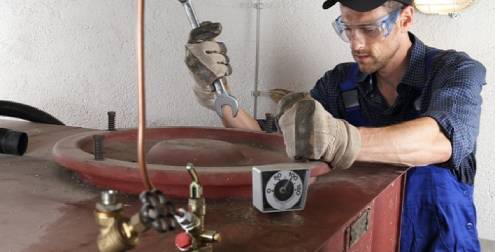
A quieter heating season gives you the chance to inspect and maintain your tank before winter demand returns. This is useful because oil tank problems often become more stressful when they happen during cold weather.
Good heating oil tank maintenance can help reduce the risk of leaks, fuel contamination, sludge build-up, and delivery problems. It can also help you spot when your tank is reaching the end of its usable life.
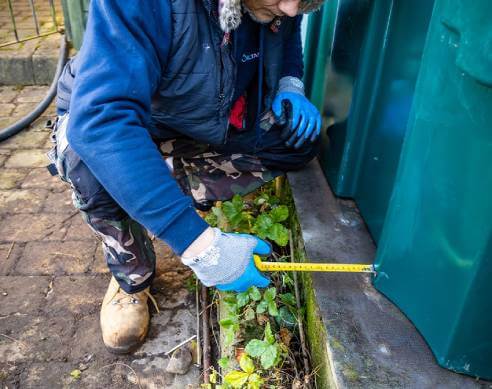
During summer, homeowners should check that the tank is secure, accessible, and in good condition. The fill point, vent, gauge, pipework, base, and surrounding area should all be easy to inspect. Any overgrown plants should be cut back so delivery drivers and engineers can access the tank safely.
If your tank is old, damaged, unsupported, or showing signs of wear, it may be time to consider a professional inspection.
Could Your Oil Tank Need Replacing?
If your oil tank has visible damage, corrosion, cracking, movement, or signs of leakage, it should be assessed before you fill it. In some cases, repairs may be possible, but older or badly damaged tanks often need replacing.
Common signs you may need an oil tank replacement UK service include:
- Cracks or splits in a plastic tank
- Rust or corrosion on a steel tank
- Strong oil smells around the tank
- Staining on the ground
- Bulging or distortion
- A damaged or unstable base
- Repeated water or sludge issues
- A tank that no longer meets your household needs
At Oil Tanks Plus, we provide domestic and commercial oil tank services across the UK, including installation, replacement, tank disposal, tank cleaning, fuel pump out, fuel polishing, and servicing. You can learn more about our team and services through the Oil Tanks Plus website.
Choosing the Right Tank for Your Home
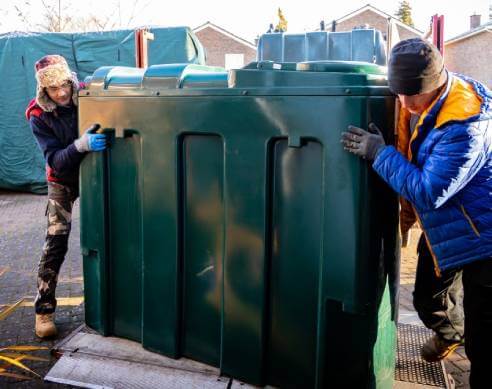
If your current tank is due for replacement, summer can be a practical time to sort it before winter arrives. Replacing a tank in advance gives you more time to choose the right option, plan the installation, and avoid emergency disruption.
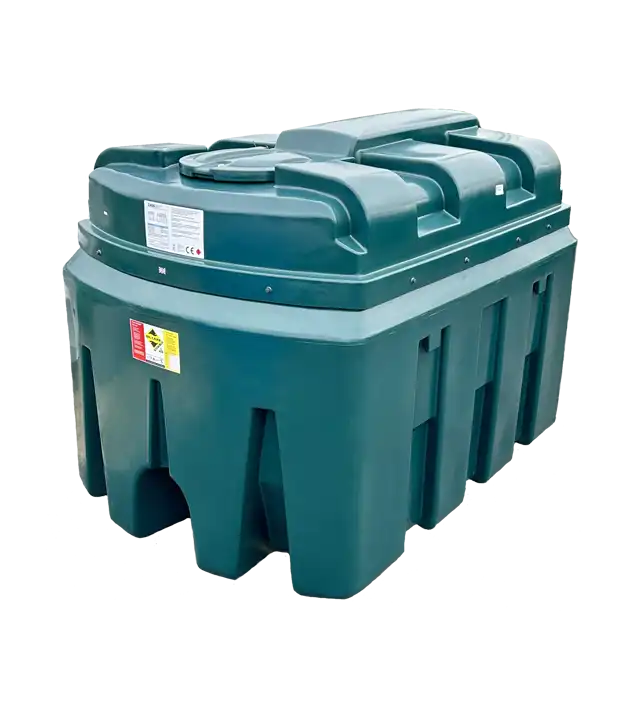
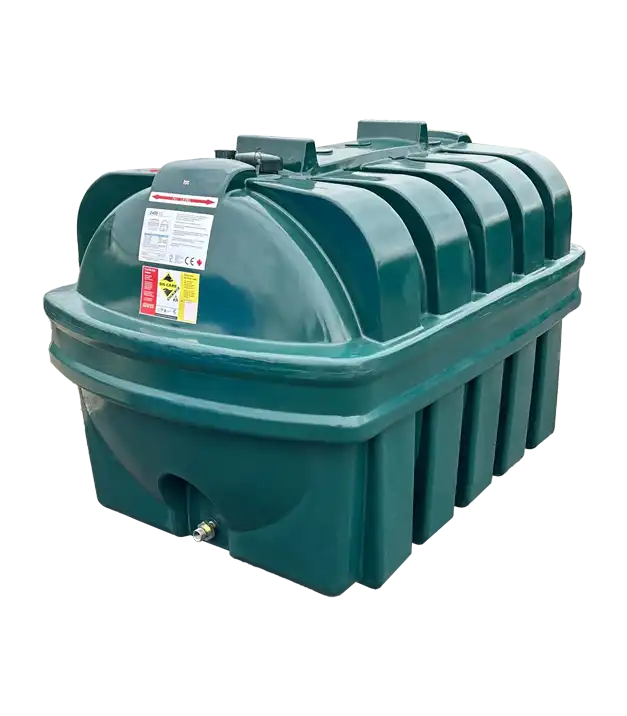
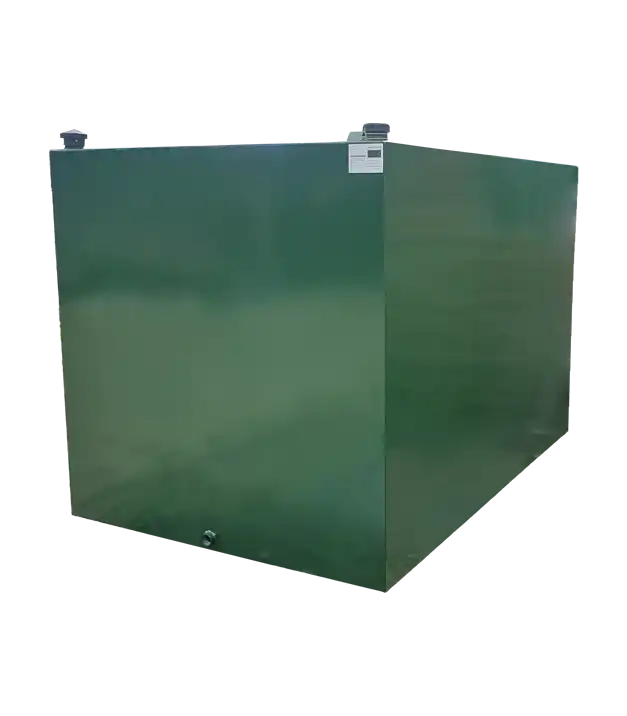
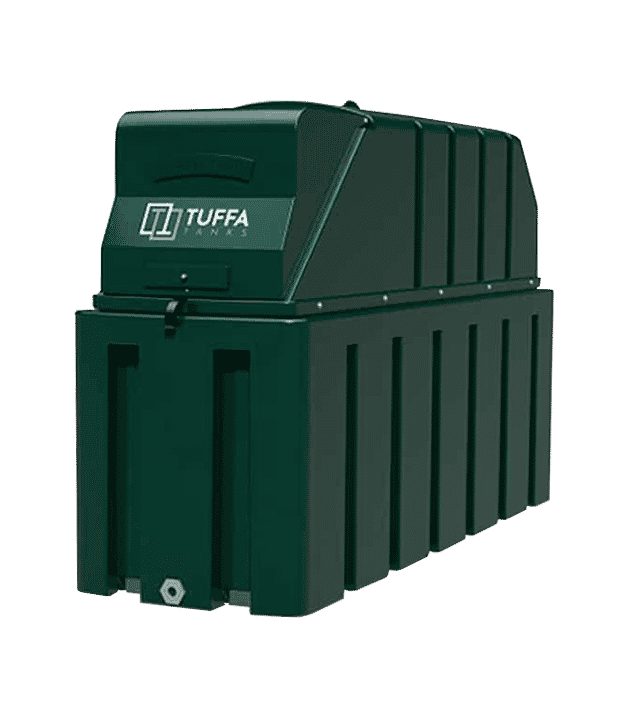
Different properties need different tank types. Some households may need a compact tank for a tight space, while others may require a larger-capacity tank for higher usage. There are also options such as bunded oil tanks, single skinned tanks, steel tanks, and fire rated tanks.
You can view the available options in the Oil Tanks Plus oil tank range.
A professional installer can help you choose the right size, position, and tank type based on your property, usage, access, and current regulations.
Should You Completely Fill Your Oil Tank?
For many households, filling the tank before winter can be a sensible way to reduce stress and avoid running low during peak demand. A fuller tank may also help reduce the amount of empty space where condensation can form, which can lower the risk of water-related fuel issues.
However, you should always make sure the tank is suitable for a refill before ordering a large delivery. If the tank is old, damaged, unstable, or showing signs of leakage, arrange an inspection first.
It is also worth checking your gauge regularly after a refill. This helps you understand how quickly your household uses oil and when you are likely to need your next delivery.
Final Thoughts: Is Summer the Best Time to Fill Your Oil Tank?
Summer is often one of the most practical times to fill your oil tank, especially if you want to prepare early, avoid the winter rush, and reduce the risk of running low when demand is highest.
It may also be a good time to inspect your tank, arrange maintenance, and decide whether your current setup is still suitable. While summer does not guarantee the cheapest heating oil prices, it can give homeowners more flexibility and more control.
The key is simple: do not leave it until the last minute. Check your tank level, inspect the condition of your tank, and plan ahead before colder weather arrives.
If you are concerned about the condition of your oil tank, need a replacement, or want expert advice before arranging a refill, Oil Tanks Plus can help. Visit our website or request a quick quote today to get started.
Share This: