
Oil Tank Installation for New Builds: Architect’s Guide
Contents
When planning an oil-heated new build, the installation of the oil tank is one of the most important decisions architects, contractors and developers face. The tank determines not only how the heating system performs, but also how safely the fuel is stored and how well the property complies with UK environmental standards. Getting these early choices right avoids costly redesigns later and ensures the new home meets the expectations of both insurers and regulators. What this really comes down to is knowing the regulations, planning the placement properly and choosing an installation strategy that protects both the property and the surrounding environment.
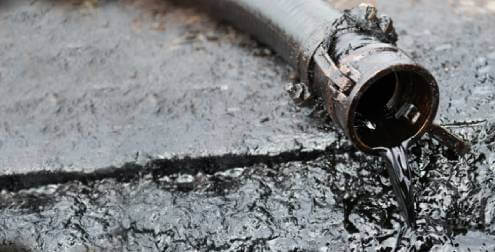
UK guidance makes clear why oil storage needs careful planning. Tanks that are poorly sited or inadequately protected can lead to leaks, contamination and significant clean-up costs. The government’s official oil-storage regulations outline how domestic and commercial systems should be designed to reduce risk and protect local water and soil: https://www.gov.uk/oil-storage-regulations-and-safety
Anyone involved in the development of new properties benefits from understanding these expectations before construction begins.
Building Regulations and What They Mean for Installers
Oil-heated properties must comply with a range of building and environmental rules. These regulations exist to ensure that tanks are correctly sited, stable and designed to prevent leaks. They also help safeguard neighbouring land and public spaces.
Local authorities may have additional conditions beyond national guidance, particularly in areas with sensitive land, conservation restrictions or specific drainage concerns. Early conversations with the planning department prevent surprises later, particularly on larger developments or properties close to watercourses. Some regions also require environmental assessments for installations above certain volumes.
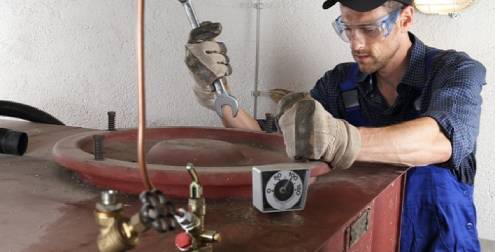
The cleanest installations follow recognised industry standards, often with input from an OFTEC-registered engineer. These professionals understand both national requirements and local expectations and can help shape an installation that works smoothly with the layout of the property.
Choosing the Right Location for the Tank
Placement planning is a significant part of any oil tank installation for a new build. A well-chosen location supports efficient fuel delivery, protects the tank from environmental stress and makes future maintenance far easier.
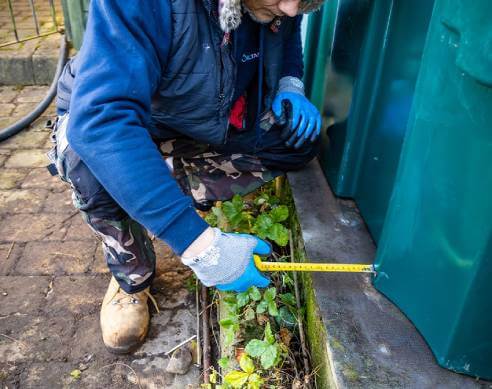
UK fire-safety guidance emphasises maintaining safe distances from buildings, boundaries and potential ignition sources. Placing the tank around one and a half metres from structures is a common starting point, although exact requirements vary by region. The aim is to create a safe zone that reduces fire risk and allows adequate airflow.
Accessibility also plays a major role. A tank should be positioned so that deliveries can be completed safely, even in poor weather. Easy access for maintenance visits is equally important, as periodic inspections ensure continued compliance and help identify early signs of wear.
Developers often integrate the oil tank visually into the landscaping plan. Thoughtful placement behind natural screens or along structural lines keeps the installation tidy without compromising safety. This approach works especially well for modern builds where aesthetics are part of the brief.
Why Bunded Tanks Are Essential
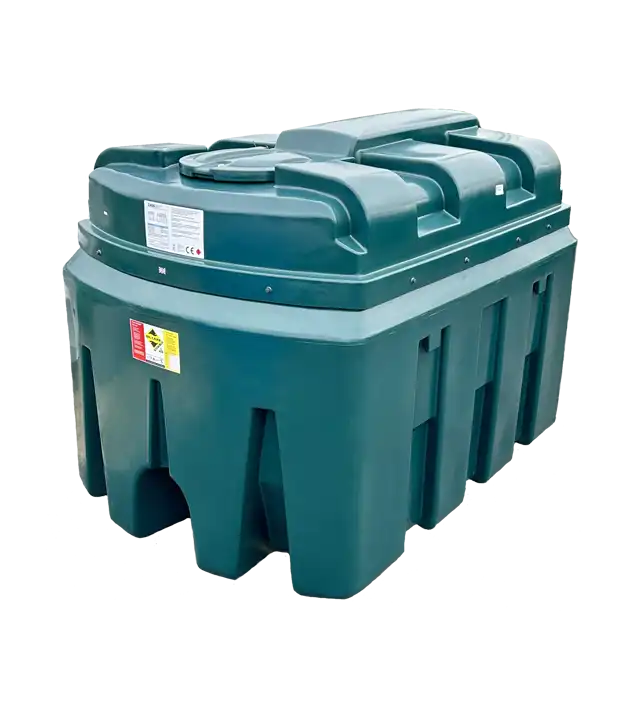
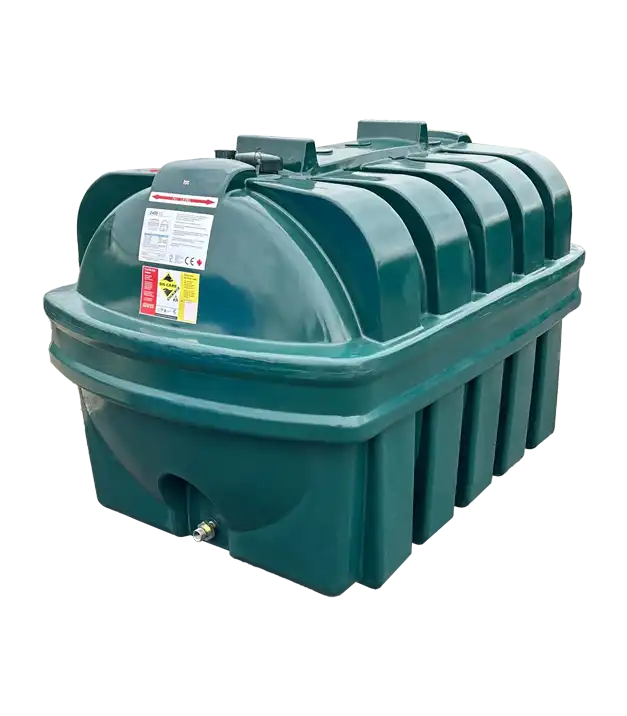
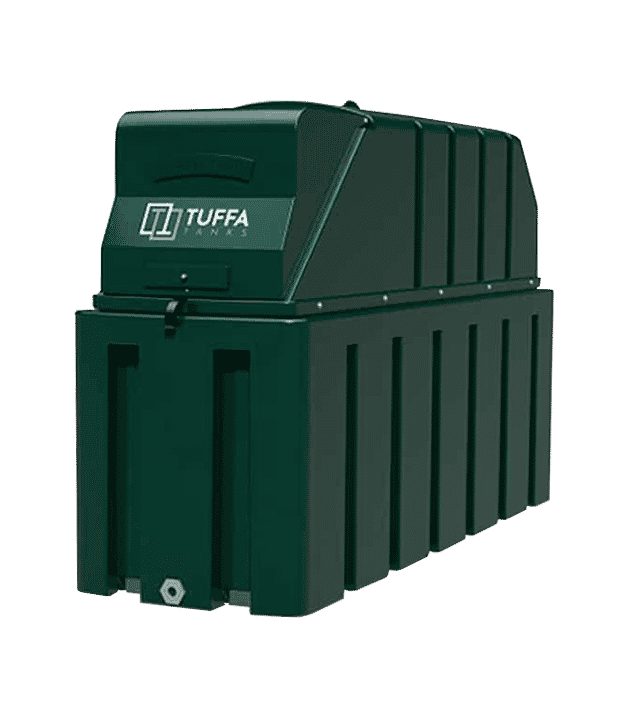
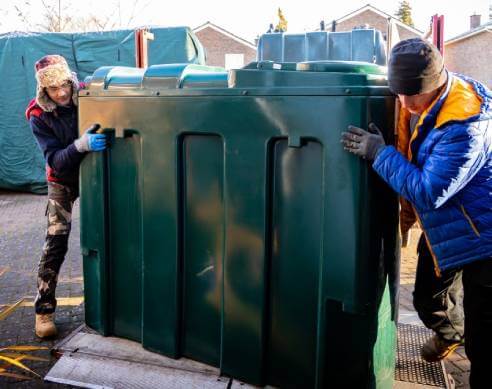
For nearly all new builds, a bunded oil tank is considered the safest and most compliant choice. A bunded tank includes a second containment layer designed to hold oil should the inner tank fail. This built-in protection significantly reduces the likelihood of contamination.
To be compliant, the bund must hold at least 110 per cent of the inner tank’s capacity. This margin ensures the containment remains effective even if the tank is full when a failure occurs. Because environmental safety is a core focus of UK regulations, bunded tanks have become the default recommendation for domestic and commercial properties alike.
Further guidance on hazardous substances highlights why secure containment matters, particularly where oil storage is close to watercourses or drains: https://www.gov.uk/guidance/hazardous-substances
Builders planning new developments can avoid risk by incorporating these requirements early.
If you want to explore compliant options for upcoming projects, you can browse our full range of bunded tanks at https://www.oiltanksplus.co.uk/oil-tank-range/bunded-oil-tanks/
Fire Safety and Professional Oversight
Fire safety remains a critical factor throughout planning and installation. Tanks must be kept clear of ignition sources, including boilers, electrics and outdoor equipment that produces heat. In some cases, fire-resistant barriers are required, especially where space is limited or when the tank must sit closer to structures due to site constraints.
Bringing an OFTEC-registered engineer into the planning phase helps clarify these requirements. They can assess the site, advise on distances, recommend suitable barriers and help ensure the system is designed in compliance with UK standards. Their involvement early in the project often prevents costly revisions once construction is underway.
Why Early Consultation Makes Installation Easier
New-build projects involve multiple trades working to tight timelines. Integrating the oil tank early avoids conflicts later when landscaping, drainage and access routes are already in place.
An OFTEC-registered engineer brings practical insight into how the tank will be refilled, how pipes should be routed, and how the overall system can be installed efficiently. Their guidance also ensures that the build meets environmental regulations from day one, rather than relying on adjustments after construction.
For insights, updates and further advice, our latest posts are available at https://www.oiltanksplus.co.uk/news/
Final Thoughts
Successful oil tank installation in a new build comes down to thoughtful planning and clear understanding of regulations. When you take the time to choose the right tank, follow environmental requirements and position the system for long-term accessibility, you set the property up for safe and efficient operation.
Bunded tanks remain the most secure option for modern builds, and early consultation with qualified engineers ensures your installation is compliant and well considered. With the right planning, oil-heated new builds can be safe, reliable and built to meet future standards.

Share This: