




Do I Need Planning Permission for a Bunded Oil Tank?
Do You Need Planning Permission for a Bunded Oil Tank in the UK?
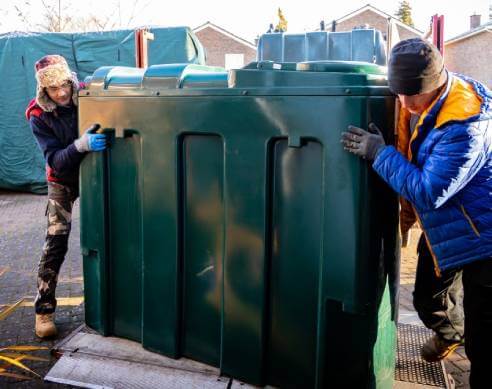
If you are planning to install a bunded oil tank at home, one of the first questions you are likely to ask is whether you need planning permission. The answer is often no, but not always. In many domestic situations, installing a fuel tank is treated as permitted development, which means you may not need to submit a full planning application. However, that does not mean you can place a tank anywhere you like or ignore the wider rules around location, safety, and building regulations.
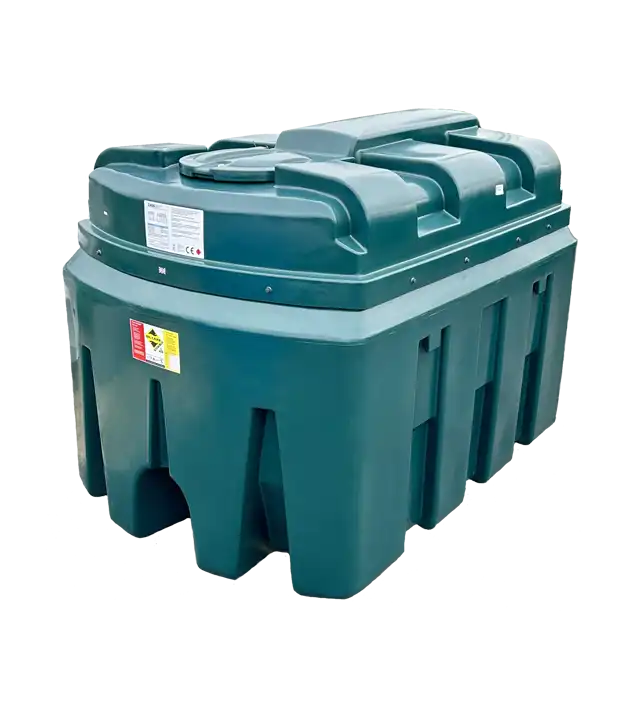
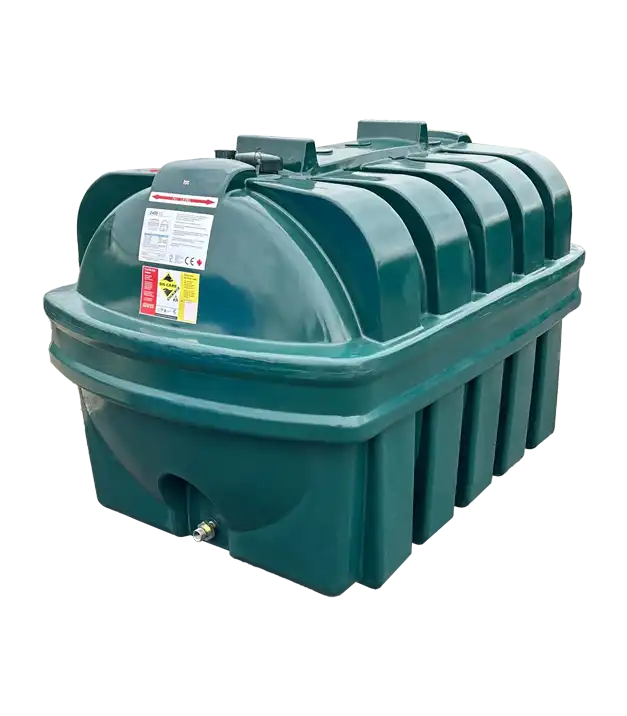
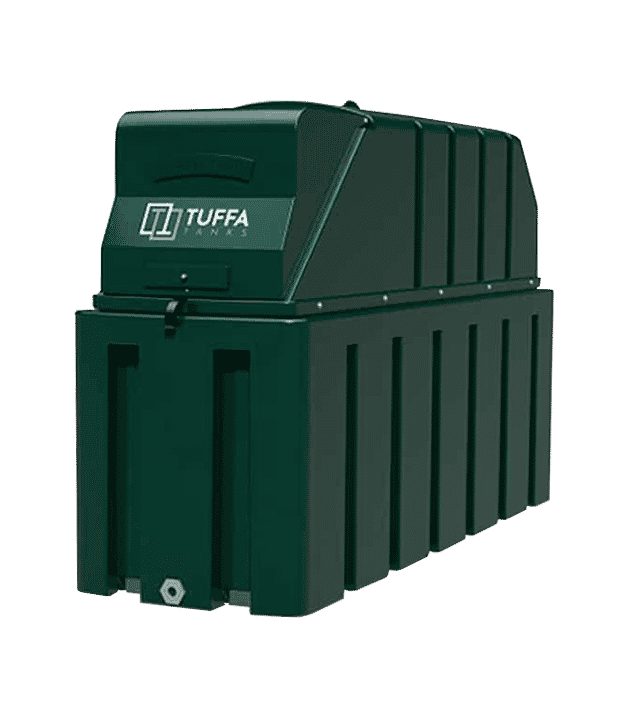
A bunded oil tank is designed with an inner tank and an outer protective layer, helping contain leaks if the inner tank fails. That extra protection is one reason bunded tanks are commonly chosen for modern domestic installations. But whether you need planning permission depends less on the tank being bunded and more on size, location, and site-specific restrictions.
When a Domestic Oil Tank Is Usually Permitted Development
Planning Portal says that installing a fuel tank is considered permitted development, so planning permission is not usually needed, provided the relevant limits and conditions are met. For domestic heating purposes, one of the key thresholds is capacity. A container used for domestic heating must not exceed 3,500 litres to fall within permitted development rules.
This is why many homeowners replacing a standard domestic heating oil tank can often proceed without a full planning application. That said, permitted development is not a free pass. All the conditions still need to be satisfied, and if your property has extra restrictions attached to it, you may need to speak to your local planning authority before anything is installed.
When Planning Permission May Be Required
There are situations where planning permission may still be needed. Planning Portal’s guidance indicates that small domestic fuel tanks can normally be installed without permission, but it also says permission will be required in certain circumstances. It specifically highlights listed buildings as a case where you should check with your local planning authority.
In practice, planning permission or further checks may also be more likely where:
- the tank is over 3,500 litres
- the property is listed
- local planning restrictions apply
- the installation falls outside the normal permitted development conditions
- the site has unusual constraints that affect siting or visual impact
Planning Permission Is Not the Same as Building Regulations
This is where people often get caught out. Even if you do not need planning permission, you may still need to comply with building regulations. GOV.UK states that if you have a new or replacement oil storage container installed at your home in England, you must meet building regulations. It also says that if the storage container can hold 3,501 litres or more, you must follow the regulations for businesses instead.
What this really means is that “no planning permission needed” does not mean “no rules apply.” Domestic oil tank installations still need to be assessed properly, especially when replacing an older tank or changing location on the property.
Why Tank Location Still Matters
The exact siting of the tank matters for both safety and compliance. GOV.UK says home oil storage must meet building regulations, and Planning Portal links fuel tank projects to separate building regulation guidance for fuel storage systems. That is why installers look closely at factors like fire separation, support base, access, and the surrounding environment, rather than focusing only on whether a planning application is needed.
For homeowners, the safest approach is to treat planning permission as only one part of the process. A tank may be permitted development and still require careful site assessment to ensure the installation is suitable for the property.
Why a Professional Site Survey Helps
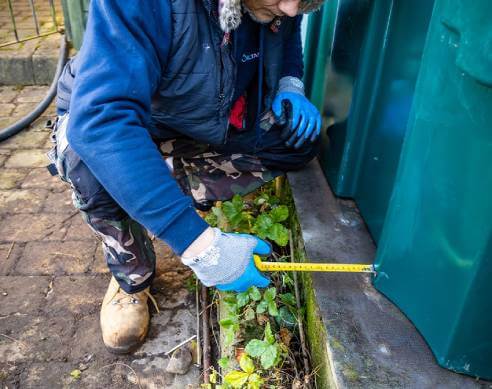
Because the rules overlap between planning, building regulations, and safe installation practice, getting professional advice early can save time and money. Oil Tanks Plus says it offers oil tank installation support through a nationwide network of engineers, with help ranging from site surveys to guidance on choosing the right tank. The company also describes itself as a family-owned business with over 25 years of experience in oil tank installation, maintenance, and decommissioning.
That kind of support matters because every site is a little different. Access, space, property type, and the position of the existing system can all affect whether a straightforward replacement stays straightforward.
Final Thoughts
So, do you need planning permission for a bunded oil tank in the UK? In many domestic cases, no, not if the installation falls within permitted development and the tank does not exceed 3,500 litres. But that is only part of the picture. You still need to check whether your property has special restrictions and make sure the installation complies with the relevant building regulations for home oil storage.
If you want to read more, you can check the official Planning Portal guidance and the GOV.UK home oil storage rules. For professional help, visit About Us or learn more about oil tank installation services from Oil Tanks Plus.

Share This: