


Preparing Your Oil Tank for Warmer Months
Summer Oil Tank Maintenance Tips for UK Homeowners
As the warmer months arrive, it is a good time to turn your attention to your heating oil tank. While your system may not be working as hard as it does in winter, summer is one of the best times to carry out basic checks and spot any issues before they become more serious. A little maintenance now can help you avoid costly repairs, reduce the risk of leaks, and make sure your tank is in better condition before colder weather returns.
If you want to stay on top of your tank care this year, these practical summer maintenance tips will help you protect your heating oil storage and plan ahead more confidently.
Why summer is a good time to check your oil tank
Many homeowners only think about their oil tank when they need a refill or when winter approaches. In reality, summer gives you the ideal opportunity to inspect the tank in better weather and deal with any wear and tear left behind after the colder months. As highlighted in this guide on heating oil tank maintenance over the summer, warmer months can be a smart time to carry out simple checks, arrange servicing, and keep the area around your tank in good order.
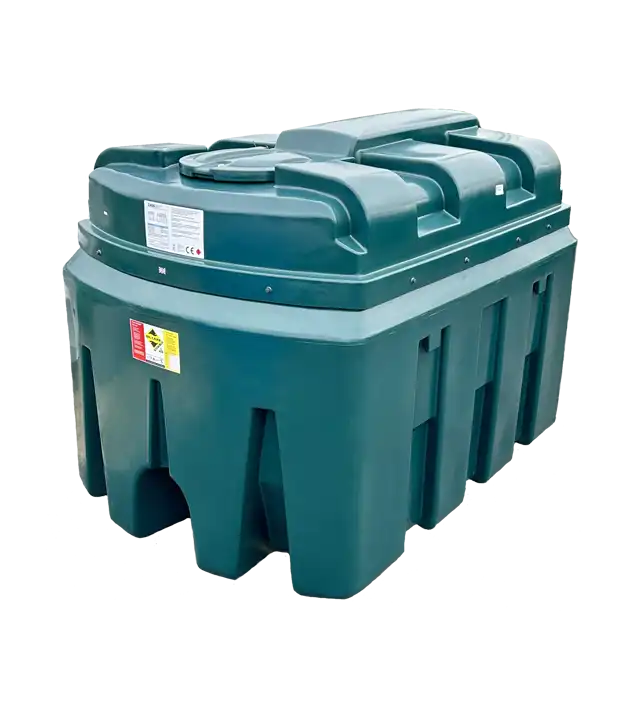
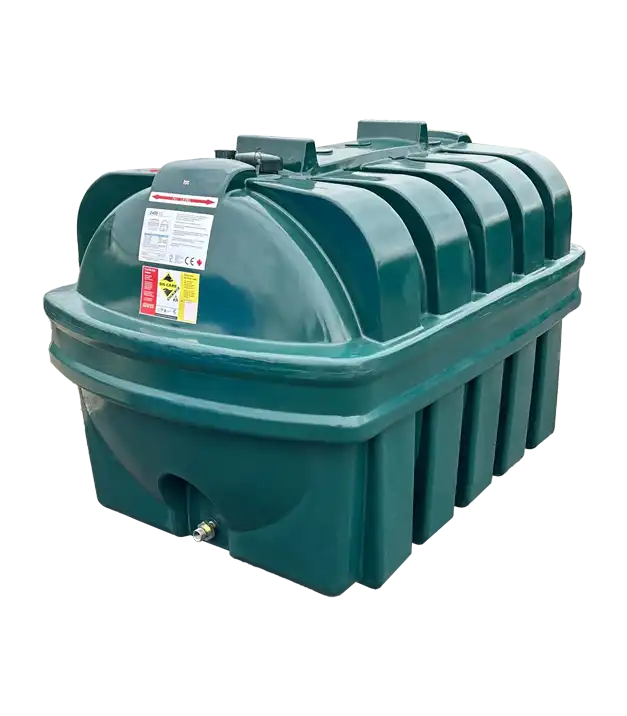
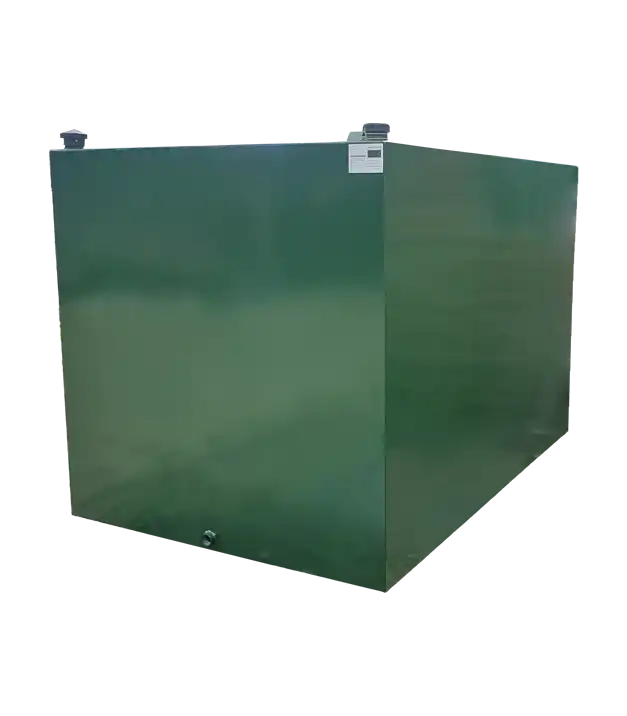
Taking action during summer can also make it easier to plan ahead for future fuel use. If you are already thinking about replacement options or simply want to understand what is available, you can browse the Oil Tanks Plus oil tank range to compare different domestic tank types.
Check the tank for visible damage
Start with a full visual inspection of the outside of the tank. Look for cracks, splits, rust patches, bulging, discolouration, or any signs that the tank shape has changed over time. Even small issues can become much bigger problems if they are ignored.
You should also inspect the ground around the tank for oil staining or unusual smells. A strong oil smell, damp patches, or visible staining may suggest a leak that needs urgent attention. Catching these signs early can make a major difference.
Inspect the tank base
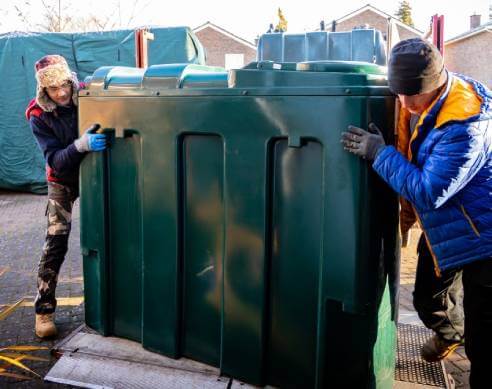
The base beneath your tank is just as important as the tank itself. It should be stable, level, and strong enough to support the full weight of the tank when filled. If the base has started to crack, sink, tilt, or erode, this can place extra pressure on the tank and pipework.
A damaged or unstable base can increase the risk of stress fractures, leaks, or long-term structural problems. Summer is the perfect time to inspect this properly, especially when the ground is drier and easier to assess.
Clear the area around the tank
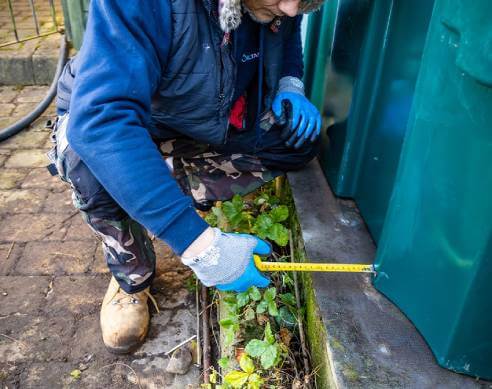
Overgrown vegetation, weeds, bushes, garden clutter, and stored items around the tank can all make inspections more difficult. They can also trap moisture and reduce airflow around the tank, which is not ideal for long-term condition.
Keeping the surrounding area clear gives you easier access for visual checks, maintenance, and deliveries. It also helps engineers or installers reach the tank more easily if work needs to be done later in the year. If you are planning ahead for seasonal fuel use, this advice on when you should fill your heating oil tank is also worth reading.
Check caps, fittings, and pipework
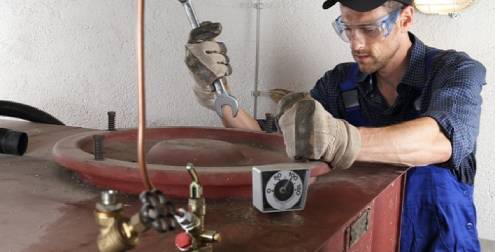
Your fill point, vent cap, valves, and visible pipework should all be secure and in good condition. Damaged or loose fittings can allow water, dirt, and debris into the system, which can lead to contamination or other avoidable problems.
Take a careful look at any exposed parts of the system and check for signs of wear, corrosion, or loose connections. If anything looks damaged or no longer feels secure, it is best to get it looked at sooner rather than later.
Monitor your oil levels
Even though you may be using less heating oil during the warmer months, it is still important to keep an eye on your tank level. Letting the tank run too low can cause issues over time, and summer can be a good opportunity to plan a refill before autumn demand increases.
Checking the gauge regularly helps you understand your household usage better and avoids a last-minute rush later in the year. Many homeowners choose to top up during summer so they are better prepared before temperatures drop again.
Watch for signs your tank may need replacing
Sometimes summer maintenance checks reveal more than just minor wear. If your tank is old, showing repeated signs of damage, or no longer feels secure, it may be time to start thinking about a replacement rather than another temporary fix.
This is where specialist advice can help. At Oil Tanks Plus, homeowners can explore a wide range of domestic oil tanks and get support with choosing the right option for their property. Whether you are looking for a bunded tank, a slimline model, or a larger replacement, it makes sense to review your choices before winter pressure returns.
Consider booking a professional inspection
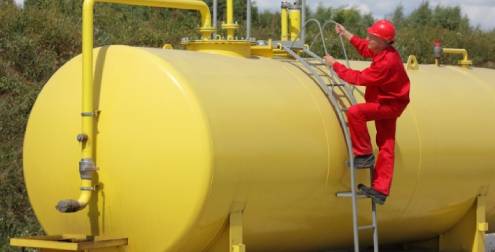
A homeowner visual check is useful, but it does not replace a professional inspection. If you notice rust, cracks, instability, recurring smells, or anything else that does not look right, bringing in an expert is the safest next step.
An annual inspection can help identify issues that are easy to miss and give you peace of mind that your system is in good shape. This is especially worthwhile if your tank is older or has already shown signs of wear in the past.
Final thoughts
Summer is one of the best times to give your heating oil tank a proper check. With better weather and less seasonal pressure, you have a good opportunity to inspect for visible damage, make sure the base is stable, clear the area around the tank, and keep an eye on your oil levels before autumn arrives.
A little maintenance now can help prevent bigger problems later. And if your current tank is showing its age, you can visit Oil Tanks Plus or browse the full oil tank range to explore replacement options and get expert guidance.
Share This: