



Understanding New Domestic Heating Oil Tank Installation Costs in the UK
Contents
- 1 How Much Does a New Oil Tank Cost in the UK? A Guide to Domestic Oil Tank Installation Costs
- 1.0.1 Tank type has a major impact on cost
- 1.0.2 Typical supply and fitted price ranges
- 1.0.3 What pushes the price up?
- 1.0.4 Regulations and compliance matter too
- 1.0.5 Why getting the right installer matters
- 1.0.6 Budgeting for an oil tank replacement
- 1.0.7 Getting a more accurate quote
- 1.0.8 Final thoughts
How Much Does a New Oil Tank Cost in the UK? A Guide to Domestic Oil Tank Installation Costs
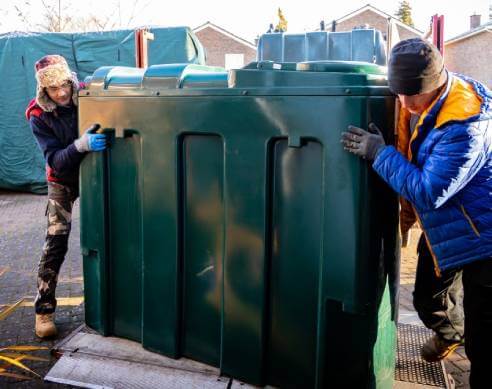
Installing a new heating oil tank is a major purchase for any off-grid homeowner, so it makes sense to understand the likely costs before you commit. The total price is not just about the tank itself. You also need to account for installation, the base, pipework, access, disposal of the old tank, and any work needed to meet current regulations. That is why the final figure can vary quite a bit from one property to another. The Heating Hub says fitted costs for smaller new tanks can start at around £2,200 including the tank and a new base, while Oil Tank Supermarket likewise positions replacement as a wider installation project rather than a tank-only purchase.
If you are researching new oil tank cost or trying to budget for a full replacement, the most useful approach is to break the job into its parts. Once you do that, it becomes much easier to understand where the money goes and which factors are likely to push the price up.
Tank type has a major impact on cost
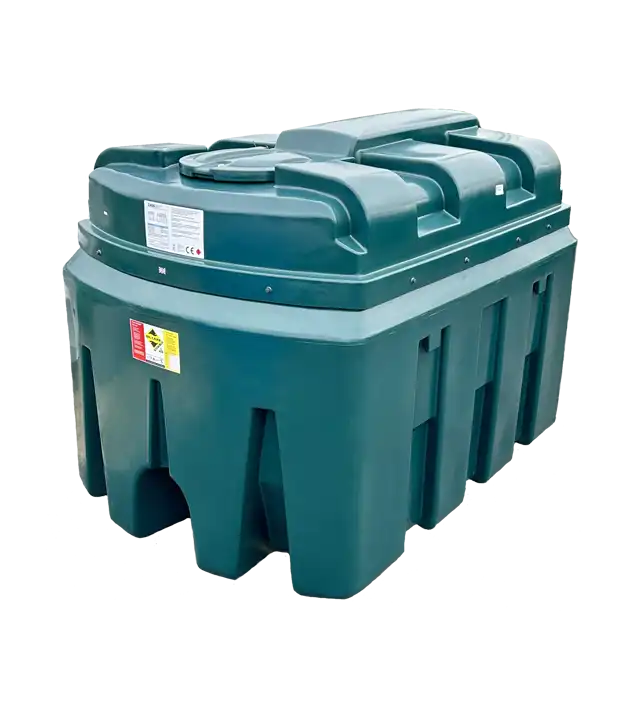
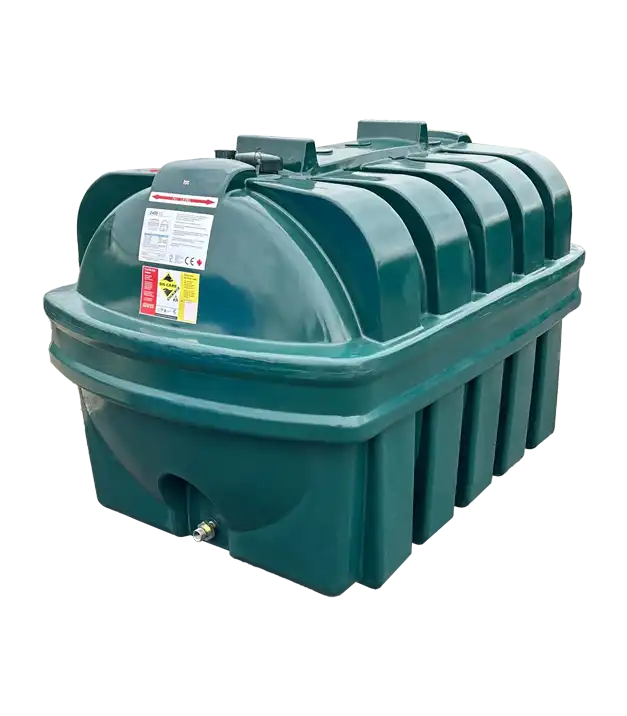
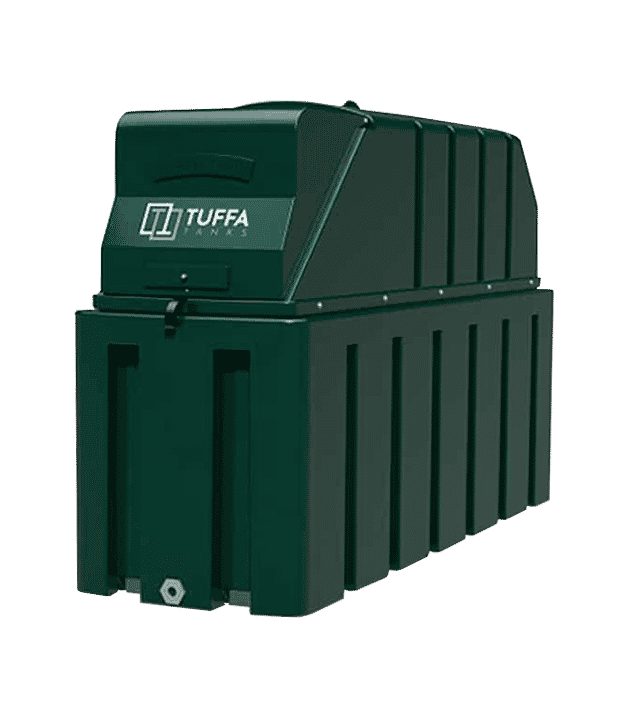
One of the biggest cost differences comes down to the type of oil tank you need. In practice, most modern domestic installations now centre around bunded tanks. The Heating Hub states that almost all new oil tanks are integrally bunded plastic tanks, and gives a typical supply-only range of roughly £1,150 to £2,000 depending on size. It also notes that a popular 1,200 litre slimline model comes in at around £1,450.
That matters because many older online guides still spend too much time comparing single skin and bunded tanks as though both are equally likely in a modern replacement. In reality, bunded tanks are usually the safer and more practical starting point for a domestic installation, especially where regulations, location, or environmental risk are a concern. If you are looking at bunded oil tank cost, it is better to think in terms of value over time rather than just the cheapest upfront figure.
Typical supply and fitted price ranges
When people search for oil tank replacement cost, they usually want to know the real-world installed figure, not just the sticker price of the tank. That is where expectations often need resetting. The Heating Hub says fully fitted prices for common bunded tanks typically run from about £2,200 to £2,800, with examples including a 650 litre slimline bunded tank at around £2,200 fitted, a 1,000 litre slimline model at around £2,500 fitted, and a 2,000 litre bunded tank at about £2,800 fitted.
So while the tank itself may appear manageable at first glance, the installed price is usually the more realistic budget figure for homeowners. That is especially true if the project includes a new base, oil line work, or the removal of sludge and waste oil from an older tank. The Heating Hub separately lists around £500 for a new oil line and trench and around £300 for removal of old oil from the tank.
What pushes the price up?
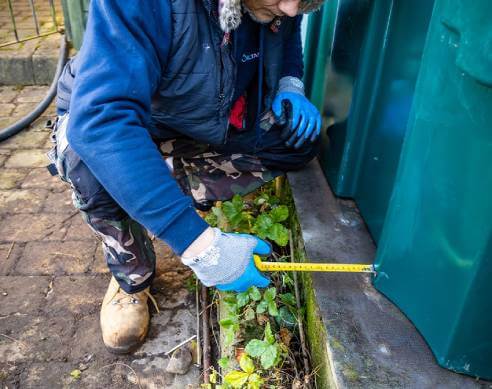
The overall cost of domestic oil tank installation depends on more than size alone. Site conditions play a big role. If access is tight, if the old base is no longer suitable, or if the pipe run needs altering, labour and material costs rise. The Heating Hub notes that a new hard stand is required in the vast majority of cases and says the tank base should extend around the footprint of the tank, which is one reason base work often forms a meaningful part of the quote.
You may also see higher costs where the installer has to trench a longer oil line, safely drain and dispose of old oil, or deal with a difficult removal. These are the kinds of extras that can turn a simple replacement into a more involved job, which is why a headline figure from a generic article only ever gives part of the picture.
Regulations and compliance matter too
A new oil tank installation is not just a delivery and swap-over job. Location, separation distances, hard standing, and pipework all need to be considered properly. The Heating Hub says most modern plastic tanks are integrally bunded and explains that building control requirements cover issues such as distance from boundaries and buildings, the need for a suitable hard stand, and the routing of oil supply lines. It also notes that using an OFTEC-registered engineer helps ensure the work can be signed off correctly and notified to building control.
That is one reason it is risky to budget based only on the cheapest tank you can find online. The installation has to suit your property as well as the product, and that often determines the final cost more than the brochure price does.
Why getting the right installer matters
Choosing an experienced installer is one of the most important parts of the whole process. Oil Tanks Plus positions itself as the UK’s leading oil tank installation and replacement company, says its tanks are manufactured in the UK and comply with installation and safety regulations, and highlights a nationwide network of highly qualified engineers. The site also states that the company offers disposal and recycling of old tanks, as well as guidance on choosing the right tank solution.
That kind of support matters when you are comparing quotes, because a cheaper initial number is not always the better deal if it leaves out base work, disposal, compliance, or aftercare. A proper quotation should reflect the real installation conditions on your site, not just the tank size.
To learn more about the company and its services, visit Oil Tanks Plus.
Budgeting for an oil tank replacement
A practical way to budget is to split the project into five parts: the tank itself, the installation labour, the base, the pipework, and any removal or disposal work. For many homeowners, a realistic starting point for a standard bunded replacement is likely to be in the low-to-mid £2,000s, with costs climbing higher where access is poor, pipe runs need changing, or additional site work is required. That framing is consistent with the installed pricing examples and extra cost items set out by The Heating Hub.
This is also why articles about how much a new oil tank costs in the UK often vary so much. Some are discussing supply-only pricing, while others are talking about full replacement. Those are not the same thing, and mixing them together can give homeowners the wrong impression. For a broader comparison point, you can also read this guide on how much does a new oil tank cost and this article covering the cost to replace a domestic oil tank.
Getting a more accurate quote
The only way to get a truly reliable figure is to base it on your property, your access, and the exact tank required. Oil Tanks Plus says it offers a dedicated support team, free site survey before installation, and nationwide coverage through engineers based in over 40 locations. Its contact page lists direct phone and email contact options, including weekday opening hours, which makes it easier for homeowners to ask questions before committing.
If you want tailored advice on your replacement project, you can contact Oil Tanks Plus to discuss your options and request guidance based on your site.
Final thoughts
The cost of a new domestic oil tank in the UK depends on far more than the tank alone. Size, tank type, base work, pipework, access, disposal, and compliance all shape the final figure. For many standard domestic replacements, the fully installed price is often far higher than the tank-only price people first see online, which is why it is so important to compare like with like. The most useful way to think about new oil tank cost is as a complete replacement project, not just a product purchase.
If you are planning a replacement, the best next step is to get advice based on your actual property rather than relying on generic estimates alone. Visit Oil Tanks Plus to learn more about its installation and replacement services, or head to the contact page to request expert help with your quote.

Share This: