

Why Summer Is a Smart Time to Check Your Heating Oil Tank
Why Summer Is the Smartest Time to Check Your Heating Oil Tank
When summer arrives, your heating oil tank is probably not the first thing on your mind. Most homeowners are thinking about holidays, garden maintenance and making the most of the warmer weather, not whether their tank is ready for winter.
But here’s the thing: summer is one of the best times of year to carry out a heating oil tank inspection.
Your tank may not be working as hard during the warmer months, but that does not mean it should be ignored. Cracks, corrosion, oil staining, loose fittings, base movement and general wear can all develop quietly over time. If these problems are missed, they can become much harder, more expensive and more disruptive to deal with once colder weather returns.
A simple summer check gives you time to spot early warning signs, arrange professional advice and plan any repairs or replacement work before heating demand increases.
For homeowners who rely on heating oil, summer oil tank maintenance should be treated as part of the seasonal home checklist.
Why Should You Check Your Heating Oil Tank in Summer?
Summer is a practical time to check your domestic oil tank because the weather is better, access is usually clearer and your heating system is under less pressure.
During winter, a tank issue can quickly become stressful. You may need heating daily, engineers are often busier and bad weather can make access more difficult. In summer, you usually have more flexibility to inspect the tank properly and arrange help without rushing.
There are several reasons summer is ideal for oil tank checks:
- Better daylight makes cracks, rust, staining and movement easier to spot
- Ground conditions are usually drier, making base problems easier to see
- Vegetation growth can be cut back before it hides the tank
- Engineers and installers may be easier to book before the winter rush
- Any oil tank replacement can be planned before cold weather arrives
- You can check the tank before ordering a larger fuel delivery
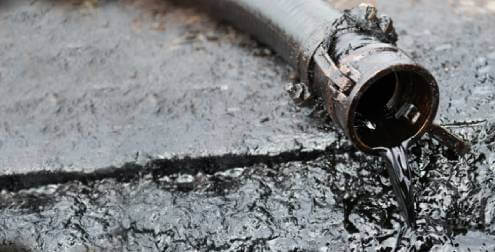
The Environment Agency has previously urged homeowners to check that domestic heating oil tanks are in good repair before getting oil delivered. This matters because a damaged or unstable tank can leak, and heating oil spills can pollute soil, drains, groundwater, rivers and ponds.
In simple terms, checking your tank in summer helps you avoid winter panic.
What Should You Look for During a Heating Oil Tank Inspection?
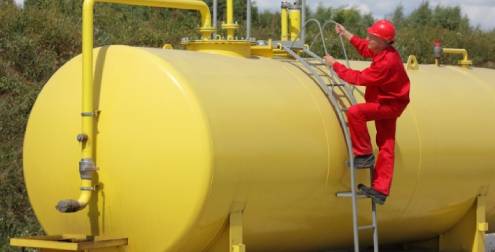
A basic visual inspection can help you spot early warning signs. You should not interfere with pipework, remove parts or attempt technical repairs yourself, but you can safely check the tank and surrounding area from the outside.
When inspecting your heating oil tank, look for:
- Cracks, splits or bulging on plastic tanks
- Rust, corrosion or flaking paint on steel tanks
- Oil stains on the ground or around fittings
- A strong smell of heating oil
- Loose, worn or damaged pipework
- A tank that appears to be leaning
- Movement, cracks or sinking around the base
- Overgrown plants blocking access
- Damage to the lid, gauge, vents or fittings
- Water pooling around the tank area
- Signs that the tank has become difficult to access
If anything looks unusual, do not ignore it. A small issue can become a serious oil tank leak if the tank is filled, moved or placed under further pressure.
This is especially important if the tank is near drains, ponds, wells, watercourses, garden areas or neighbouring properties. Oil leaks can be difficult and costly to clean up, so early action is always better than waiting.
Check the Oil Tank Base and Supports
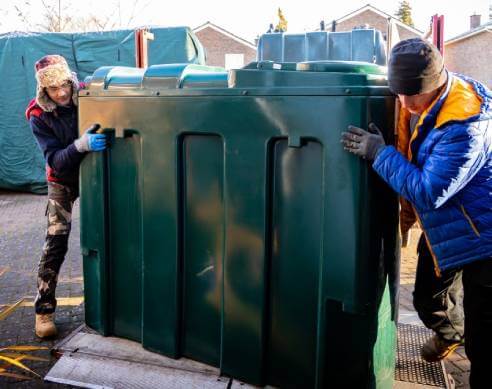
The tank base is one of the most important parts of your oil storage setup. A domestic oil tank can become extremely heavy when full, so it needs to sit on a strong, level and stable base.
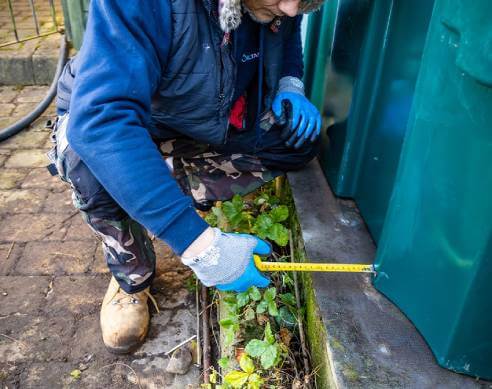
During summer, take a close look at the ground and support structure around the tank. Check whether the base has cracked, dipped, shifted or become uneven. If the tank looks like it is leaning, or the ground around it has started to sink, arrange a professional inspection before your next fuel delivery.
An unstable oil tank base can put pressure on the tank and connected pipework. Over time, this may increase the risk of cracks, leaks or system failure.
Base issues are usually easier to deal with during summer. The ground is often drier, the area is easier to access and you are less likely to be relying heavily on the heating system while work is being carried out.
Keep the Area Around Your Tank Clear
Summer growth can quickly hide problems. Grass, weeds, bushes and climbing plants can make your heating oil tank harder to inspect and more difficult for delivery drivers or engineers to access.
Keep the area around your tank clear by trimming back vegetation and removing debris. Make sure the fill point is easy to reach and that there is a clear route for heating oil deliveries.
Avoid storing garden tools, bins, logs, plant pots or heavy items against the tank. These can restrict access, trap moisture or hide damage.
A clear tank area makes future checks easier. It also helps you notice oil staining, movement, cracks or leaks much sooner.
Check Your Tank Before Ordering More Heating Oil
Before arranging a summer refill, check the condition of the tank first.
This is important because filling a damaged or unstable tank can increase the risk of a spill. A tank that looks safe when partly full may be placed under more pressure once it is filled with oil.
Before ordering more heating oil, ask yourself:
- Does the tank look level and stable?
- Are there any cracks, bulges or signs of corrosion?
- Is there any oil staining or strong oil smell?
- Is the base in good condition?
- Are the visible fittings and pipework intact?
- Is there enough safe capacity for the delivery?
If you are unsure, it is better to arrange professional advice before placing a large order.
This is also a useful time to ask whether your current tank still suits your home. If you regularly run low, need frequent deliveries, have changed your heating usage or are planning property improvements, it may be worth reviewing your tank size and condition.
How Often Should a Heating Oil Tank Be Inspected?
Homeowners should carry out regular visual checks throughout the year, especially before and after heating oil deliveries. These quick checks help you spot obvious signs of damage, leaks or movement.
A more detailed inspection should also be considered before autumn and winter, when your heating system becomes more important.
For a deeper breakdown of inspection timing, seasonal checks and warning signs, this guide from OTP Energy explains how often to inspect a heating oil tank in more detail.
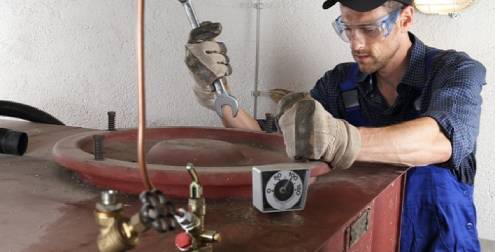
Professional support is recommended if your tank is old, difficult to access, showing signs of damage or located in a higher-risk area. It is also sensible if you have recently moved into a property and do not know the tank’s age, installation history or service record.
When Should You Seek Professional Help?
Some oil tank checks can be done visually, but there are clear situations where you should contact a professional.
You should arrange expert help if you notice:
- Visible oil leaks
- Strong heating oil smells
- Cracks, bulging or distortion
- Rust or corrosion
- A sinking, cracked or unstable base
- Damaged pipework or fittings
- A faulty gauge
- Signs of water or contamination
- Vegetation die-back near the tank
- A tank that looks old, unsafe or poorly supported
You should also seek advice if you are considering a heating oil tank replacement, moving your tank, upgrading to a bunded oil tank or arranging a new oil tank installation.
Oil tank work needs to be handled carefully because poor installation, unsuitable bases and unsafe positioning can increase the risk of leaks, delivery issues and compliance problems.
Should You Replace Your Heating Oil Tank Before Winter?
Summer can be a smart time to replace an ageing or damaged heating oil tank. Waiting until winter can leave you with fewer options, more stress and a greater risk of being without heating when you need it most.
You may need to consider heating oil tank replacement if:
- Your tank is cracked, rusted or leaking
- The base is unstable
- The tank is too small for your household
- The tank is difficult to access for deliveries
- You are concerned about environmental risk
- You want better protection from a bunded tank
- Your current tank no longer suits the property
- The tank is old and showing signs of wear
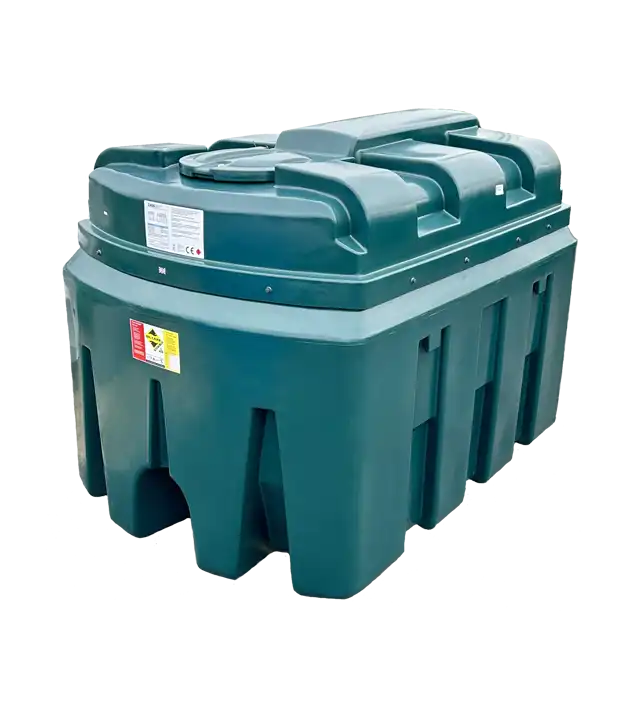
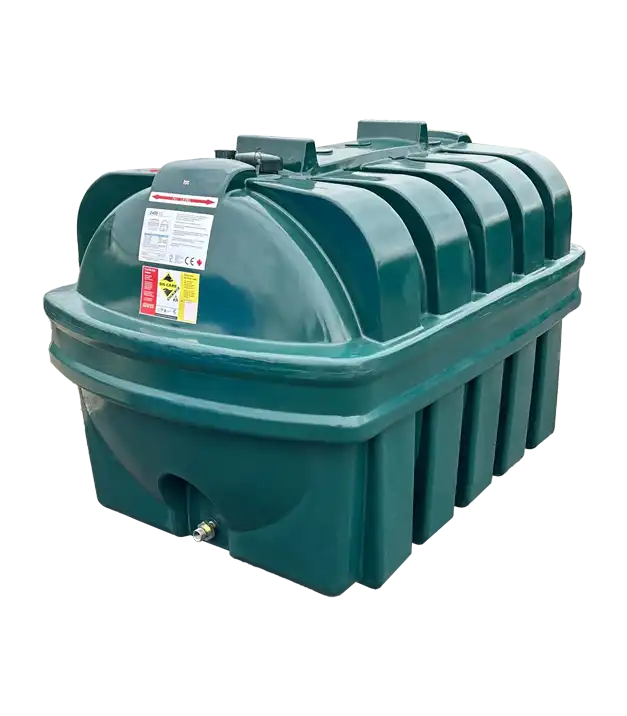
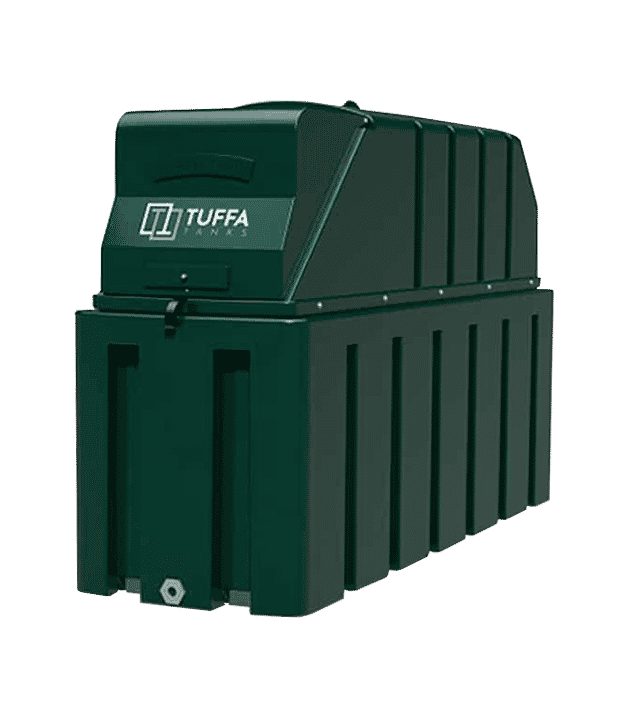
A bunded oil tank is often a good option for homeowners who want stronger protection. Bunded tanks are designed with secondary containment, giving an additional layer of protection if the inner tank fails.
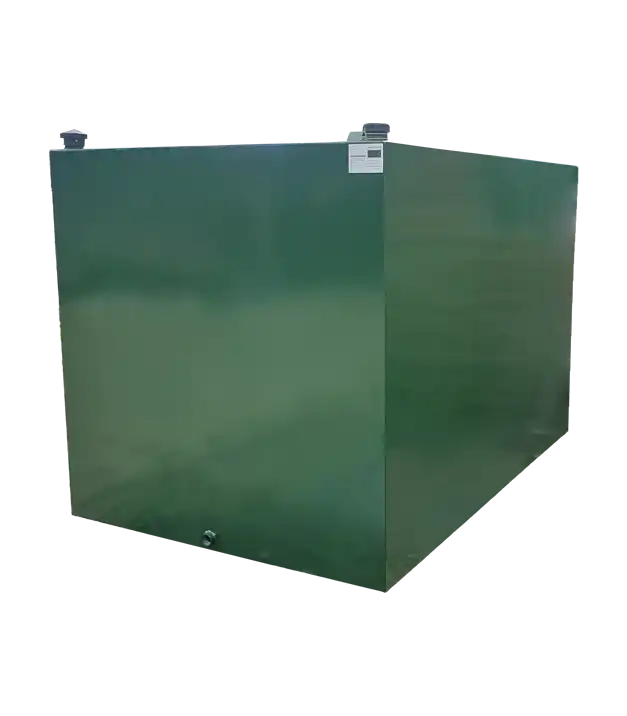
If you are thinking about replacing your current tank, you can view the full Oil Tanks Plus oil tank range, including bunded tanks, single skin tanks, steel tanks and fire rated options.
Why a Bunded Oil Tank May Be Worth Considering
Not every domestic property has the same oil storage requirements, but many homeowners choose bunded oil tanks for extra reassurance.
A bunded tank is especially worth discussing if your tank is near a drain, watercourse, pond, well, boundary, building or sensitive area. It may also be recommended if you store larger quantities of heating oil or if the location presents a higher spill risk.
The main benefits of a bunded oil tank include:
- Extra protection against leaks
- Reduced environmental risk
- Greater peace of mind
- Better suitability for higher-risk locations
- A more modern replacement option for ageing tanks
If your current tank is old, single skinned or showing signs of wear, summer is a good time to get advice before winter deliveries begin.
The Benefits of Summer Oil Tank Maintenance
Oil tank maintenance does not need to be complicated. The main goal is to spot problems early, keep the area safe and make sure your heating system is ready before colder weather returns.
The benefits of summer heating oil tank checks include:
- Early detection of leaks or damage
- Better preparation before winter
- Lower risk of emergency replacement
- Improved safety around the tank area
- Easier access for deliveries and engineers
- More time to compare replacement options
- Reduced risk of environmental damage
- Greater peace of mind before heating demand increases
A few simple checks now can help prevent much bigger problems later.
Summer Heating Oil Tank Checklist
Use this quick checklist when reviewing your tank:
- Check the tank body for cracks, rust, bulging or distortion
- Look for oil stains, wet patches or strong oil smells
- Inspect the base for cracks, sinking or movement
- Make sure the tank is level and properly supported
- Trim back grass, bushes and weeds
- Clear access to the fill point
- Check visible pipework and fittings for damage
- Make sure the gauge appears to be working
- Avoid storing heavy items against the tank
- Arrange professional help if anything looks unsafe
If your tank fails any of these checks, do not wait until winter to deal with it.

FAQs About Heating Oil Tank Checks
Is summer a good time to inspect a heating oil tank?
Yes. Summer is one of the best times to inspect a heating oil tank because access is usually easier, daylight is better and your heating system is under less pressure. It also gives you more time to arrange repairs or replacement before winter.
How do I know if my oil tank is leaking?
Common signs of an oil tank leak include oil stains on the ground, a strong smell of heating oil, damaged fittings, visible cracks, dead vegetation near the tank or a sudden drop in oil level. If you suspect a leak, seek professional help quickly.
Should I check my heating oil tank before ordering more fuel?
Yes. You should check the tank and surrounding area before ordering more heating oil. Filling a damaged, unstable or leaking tank can increase the risk of a spill.
When should I replace my heating oil tank?
You should consider replacing your heating oil tank if it is cracked, rusted, leaking, unstable, difficult to access or no longer suitable for your property. A professional inspection can help confirm whether repair or replacement is the safest option.
Can Oil Tanks Plus help with oil tank replacement?
Yes. Oil Tanks Plus provides oil tank services including installations, tank removals, tank cleaning, fuel pump out, servicing and environmental support. If your tank is showing signs of age or damage, professional advice can help you choose the right next step.
Final Thoughts
Checking your heating oil tank during summer is one of the simplest ways to prepare your home for autumn and winter. With better weather, clearer access and lower heating demand, it is the ideal time to inspect the tank, clear the surrounding area, review the base and arrange professional help if anything looks wrong.
Leaks, cracks, corrosion and unstable bases should never be ignored. A damaged domestic oil tank can become expensive, disruptive and harmful to the environment, especially if oil reaches drains, soil or nearby water.
If your tank is showing signs of age or damage, or you want advice on replacing it before winter, visit Oil Tanks Plus to explore professional support, installation options and replacement oil tanks.
Share This: