



Top Ways to Hide Your Oil Tank Without Compromising Safety
Contents
- 1 How to Hide an Oil Tank Safely: Practical Garden Screening Ideas for UK Homes
- 1.0.1 Start with safety before appearance
- 1.0.2 1. Timber screening for a softer garden look
- 1.0.3 2. Trellis panels and climbing plants
- 1.0.4 3. Planting shrubs for natural year-round cover
- 1.0.5 4. Fencing that matches the rest of the garden
- 1.0.6 5. Purpose-built enclosures for a cleaner finish
- 1.0.7 6. Decorative screening that adds something to the space
- 1.0.8 What to avoid when hiding an oil tank
- 1.0.9 When replacement is the better option
- 1.0.10 Final thoughts
How to Hide an Oil Tank Safely: Practical Garden Screening Ideas for UK Homes
For many homeowners, an oil tank is essential but not exactly the feature they want standing out in the garden. The good news is that there are plenty of smart ways to improve the look of the space without creating access, ventilation, or maintenance problems.
If you are wondering how to hide an oil tank, the best approach is one that balances appearance with practicality. A screening idea might look great on day one, but if it blocks inspections, makes refills awkward, or traps damp around the tank, it can create bigger issues later. That is why the most effective solutions are the ones that soften the visual impact while still leaving the tank easy to reach and safe to use. Guidance from current industry sources consistently stresses the importance of maintaining airflow and access, with examples such as fencing, trellis, and planting all needing clear space around the tank.
In this guide, we will look at practical oil tank screening ideas, what to avoid, and how to choose a finish that works with your garden rather than against it.
Start with safety before appearance
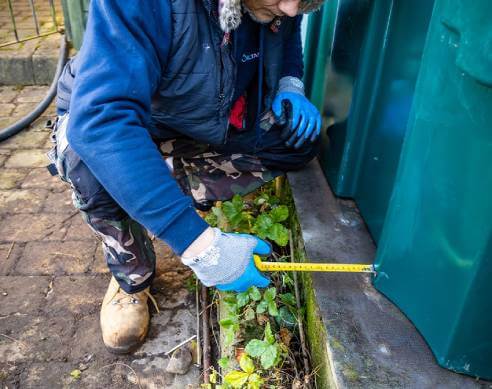
Before thinking about colours, screens, or planting schemes, start with the basics. Any attempt at camouflaging a domestic oil tank should still allow room for inspections, deliveries, and routine maintenance. Industry guidance commonly recommends leaving a clear gap around the tank for ventilation and access, and some current guidance examples specify 600mm around planting, fencing, or trellis.
That matters for a few reasons. Your tank needs airflow around it. Engineers need to inspect it properly. Delivery access needs to stay straightforward. And if the tank is ageing or due for replacement, restricted access can make a future job more difficult than it needs to be.
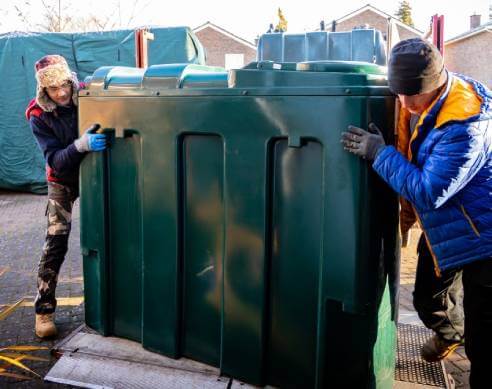
If your current tank is poorly positioned, damaged, or just nearing the end of its life, it may be worth looking at a more suitable long-term solution before investing in screening. That is where a professional oil tank installation service can make a real difference by helping you improve both the appearance and the practicality of the setup. Oil Tanks Plus says domestic oil tank installation is typically handled by a registered engineer and involves assessing the existing tank, preparing the ground, fitting the new tank, and transferring the oil safely.
1. Timber screening for a softer garden look
Timber screening is one of the most popular ways to hide an oil tank in the garden because it is simple, adaptable, and easy to style around the rest of the outdoor space. Slatted timber panels, horizontal battens, or painted wooden screens can all help break up the outline of the tank without making the area feel boxed in.
This approach works especially well if you already have timber fencing, decking, sleepers, or raised beds elsewhere in the garden. Done properly, it feels like part of the design rather than an obvious cover-up.
The key is spacing. The screening should not sit tightly against the tank. Leave enough room for ventilation and maintenance access, and think carefully about how someone will get in for inspections or future work. Guidance from current hiding and screening advice repeatedly emphasises keeping a clear gap and access point rather than building screening tightly around the tank.
2. Trellis panels and climbing plants
If you want a lighter and more decorative option, trellis is a strong choice. It gives you structure without feeling too heavy, and it can be softened further with carefully chosen climbing plants. Barton Petroleum’s current guidance specifically highlights trellis as a way to add height while still allowing airflow, again noting a 600mm minimum gap.
This is often one of the best-looking options because it does not try to completely “hide” the tank in a hard, solid way. Instead, it reduces the visual impact and lets the area blend into the garden more naturally.
Just be selective with planting. Fast-growing climbers can become too dense if left unchecked, and heavy foliage can make access awkward. The best result usually comes from light, well-maintained planting that softens the lines without swallowing the whole area.
3. Planting shrubs for natural year-round cover
For homeowners who prefer a greener finish, shrubs and foliage can work well. Evergreen planting is especially useful because it keeps some visual screening through the colder months rather than disappearing in winter.
This method is popular because it makes the tank feel less industrial and more integrated into the garden. It can also work nicely alongside timber screening or trellis rather than as a standalone solution. Barton Petroleum’s live guidance recommends evergreen shrubs and tall plants in sunny spots, while still maintaining a safe access and ventilation gap around the tank.
That said, it is important not to plant too close. Dense shrubs pressed against the tank can create moisture issues, reduce airflow, and make servicing harder. A better approach is to use planting as visual softening rather than as a tightly packed barrier.
4. Fencing that matches the rest of the garden
A simple fence can be one of the most effective oil tank enclosure ideas when it is designed properly. If the style matches your boundary fencing or other garden features, it can make the tank area feel more deliberate and much less noticeable.
Panel fencing can work well for a clean look. Trellis-top fencing can feel lighter. Slatted fencing is ideal if you want a more modern finish. The most important thing is that the fence still allows easy access and does not trap the tank in a tight, enclosed corner. Current guidance examples specifically note the need for a door or gate and adequate clearance for servicing and emergency access.
This is also one of the easier options to scale depending on budget. You might only need partial screening from the most visible angle rather than a full enclosure.
5. Purpose-built enclosures for a cleaner finish
If appearance is a major concern, a purpose-built structure can give the neatest result. This could be a bespoke timber surround, a slatted enclosure with a removable panel, or a more design-led garden feature that screens the tank while still leaving the right working space around it.
This option needs more thought than basic screening because it has to do more than just look tidy. It needs to preserve access, ventilation, and usability. If you are creating a more substantial structure, it is also worth being aware that oil tank siting and related building considerations can matter when tanks are installed, replaced, or relocated, and local authority rules may need checking depending on the project. Oil Tanks Plus notes that installation, relocation, and replacement should all be checked against local authority building regulations, and highlights planning-related conditions such as height and placement relative to boundaries and highways.
For that reason, a purpose-built enclosure makes most sense when paired with professional advice, especially if the existing setup is already due for an upgrade.
6. Decorative screening that adds something to the space
Not every solution has to feel purely practical. Decorative screens, woven panels, garden slats, and feature dividers can all help disguise the tank while making the wider garden look better too.
This works particularly well in outdoor spaces where the tank is visible from a patio, seating area, or kitchen window. Instead of treating the tank as something to hide in a panic, you are redesigning the line of sight so the eye lands on something more attractive first.
That is often the real secret here. The best oil tank screening does not always completely conceal the tank from every angle. Sometimes it just reduces how dominant it feels.
What to avoid when hiding an oil tank
A lot of oil tank screening ideas look good at first but cause problems later. The main things to avoid are:
-
pushing screening or planting too close to the tank
-
blocking inspection points or refill access
-
creating damp or debris traps around the base
-
building a cover that looks tidy but is awkward to open or remove
-
choosing materials that clash badly with the rest of the garden
A good screening idea should make life easier, not harder. If you are already struggling with the position, age, or condition of the tank, screening alone may only be masking a bigger issue.
When replacement is the better option
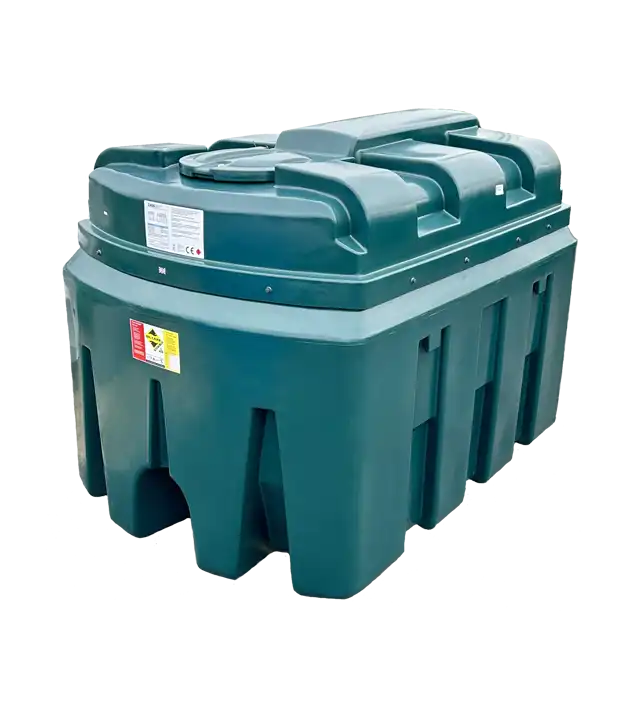
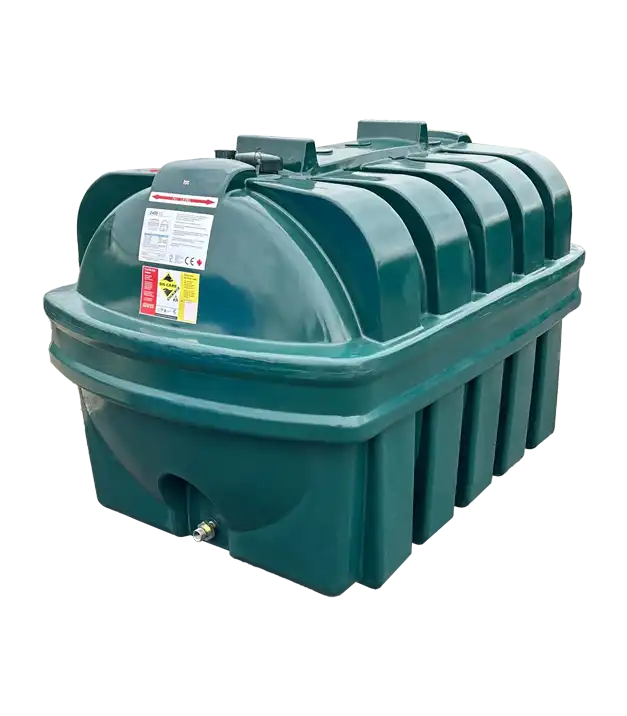
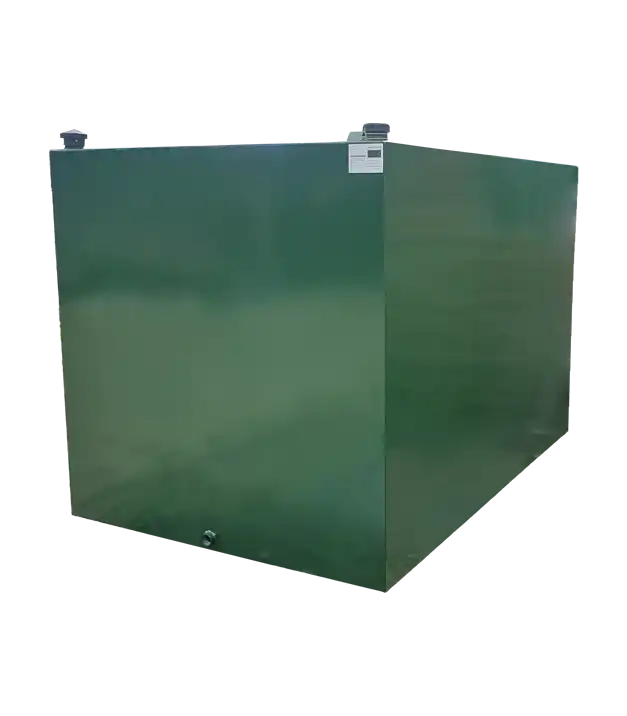
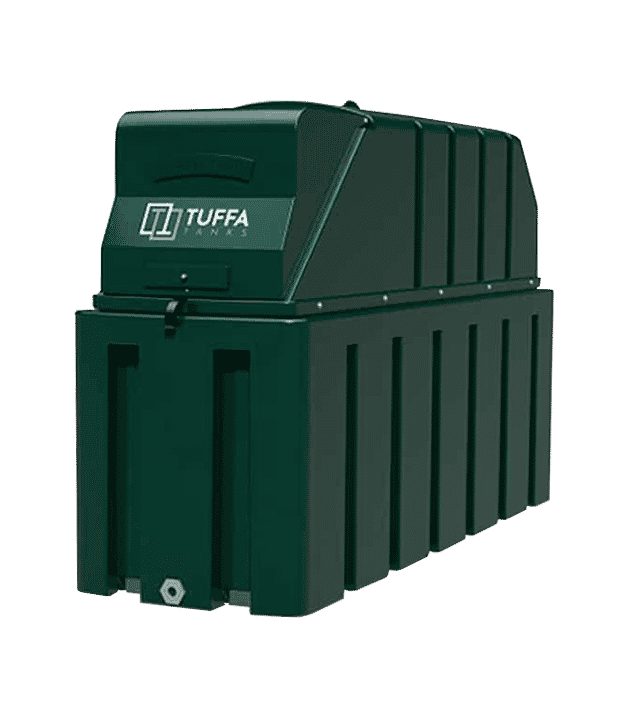
Sometimes the most effective way to improve the look of the garden is not just to hide the tank but to rethink the whole setup. If your current tank is oversized for the space, poorly placed, visually intrusive, or approaching the end of its lifespan, replacing it with a more suitable model in a better position can be the smarter long-term move.
Oil Tanks Plus presents itself as a UK-wide oil tank installation and replacement company with a network of OFTEC and APHC registered installers, nationwide coverage, recycling of old tanks, and site survey support.
That matters because appearance is only one part of the job. The right tank, in the right place, installed properly, often makes screening much easier afterwards.
Final thoughts
Learning how to hide an oil tank is really about improving the look of your outdoor space without losing sight of safety, access, and common sense. The best results usually come from simple, well-planned ideas such as timber screening, trellis, fencing, or evergreen planting that blend the tank into the garden rather than trying to bury it behind a poor-quality cover.
If your current setup is awkward, ageing, or just not working for the space, it may be worth going beyond screening and looking at a more complete solution. Oil Tanks Plus offers nationwide support for homeowners looking to improve their setup, and their oil tank installation service is a useful next step if you are considering a replacement, relocation, or a more practical long-term layout.
And for extra inspiration, you can also reference Barton Petroleum’s guide to camouflaging a domestic oil tank and OTP Energy’s recent article on top ways to hide your oil tank, both of which reinforce the same core principle: make it look better, but never at the expense of access, ventilation, or safety.

Share This: