

Do Bunded Oil Tanks Require Insurance or Registration?

Most domestic bunded oil tanks do not need a separate national registration simply because they are bunded. A standalone oil tank insurance policy is not generally compulsory for a homeowner either.
However, installation compliance and insurance protection are separate issues. A tank may need secondary containment and a new or replacement installation may need to be certified.
In England, new and replacement domestic oil tanks must comply with Building Regulations. A suitably registered competent-person installer can normally self-certify the work; otherwise, local Building Control approval may be needed.
Home insurance policies vary. Some exclude or limit cover for environmental clean-up, gradual leaks or neighbouring land. Always confirm what your own policy covers.
-
Registration
No separate UK-wide register is normally needed solely because a domestic tank is bunded.
-
Certification
A new or replacement tank in England must meet Building Regulations, with suitable certification or approval.
-
Bunding
Secondary containment depends on tank capacity and the pollution risks at its location.
-
Insurance
Separate cover is not normally mandatory, but check oil-spill damage, clean-up costs and exclusions.
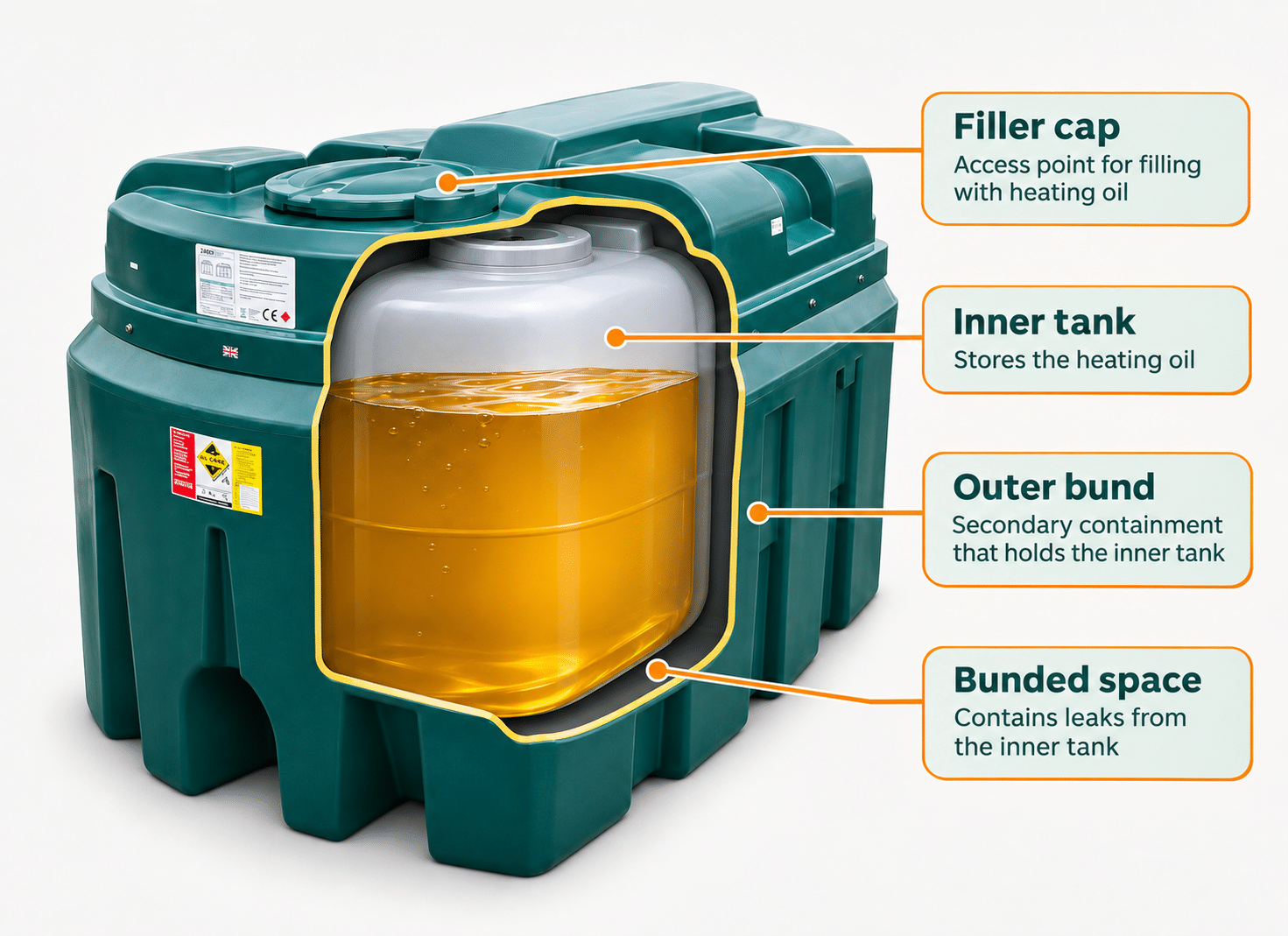
A tank within a tank
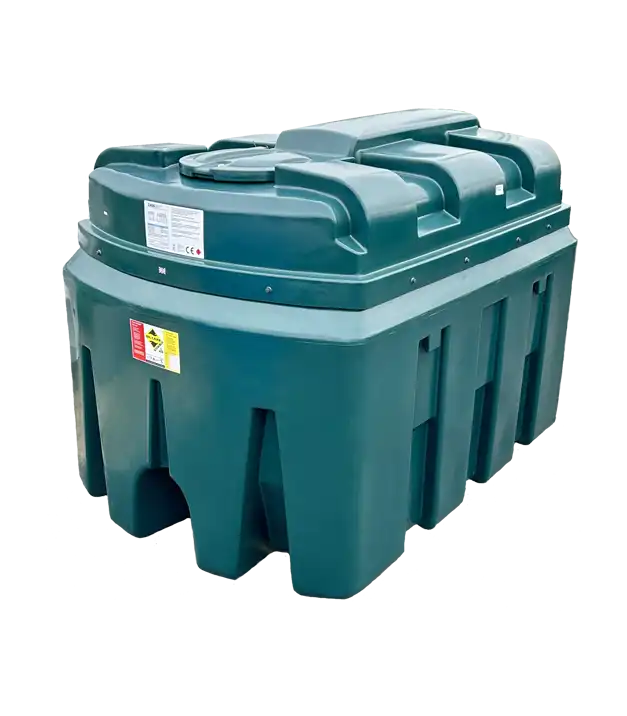
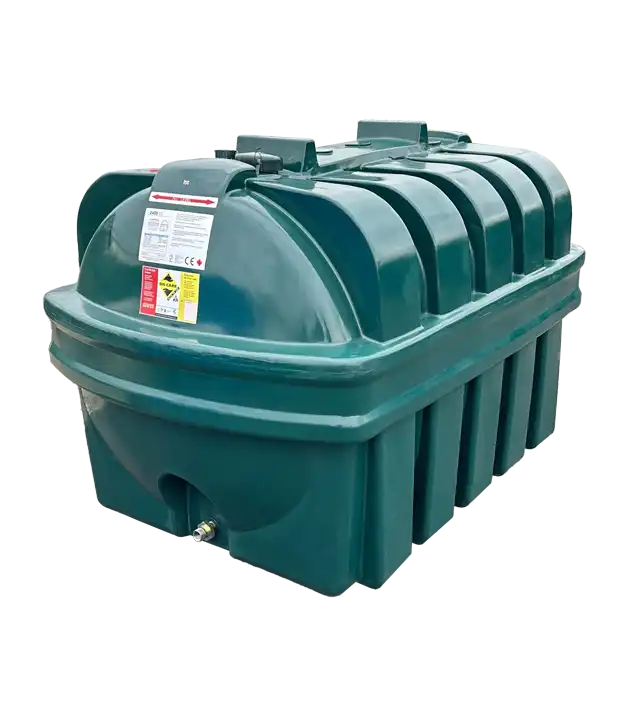
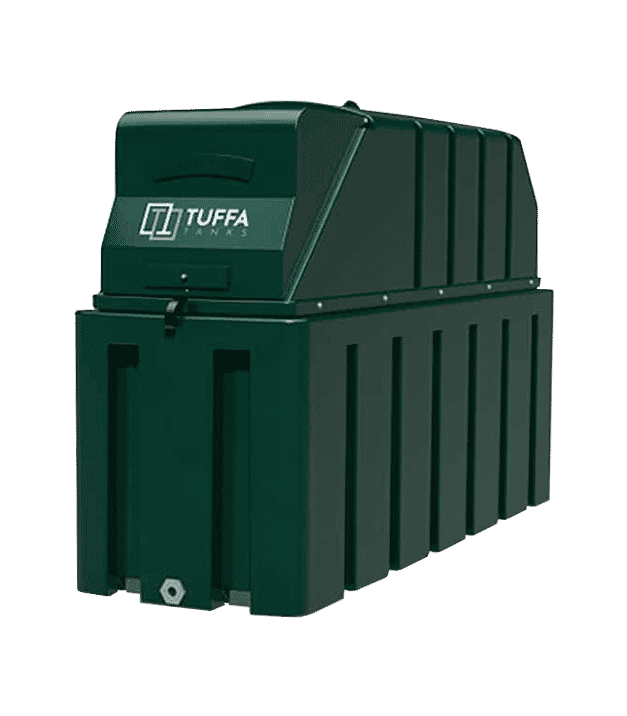
A bunded heating oil tank has an inner container for the oil and an outer containment layer. If the inner tank leaks, the bund is intended to hold the escaping oil rather than allowing it to reach nearby soil, drains or water.
Bunding reduces the risk of pollution, but it does not prevent every leak or replace regular inspections, appropriate siting or professional installation.
For more detail, read how a bunded oil tank works or explore our bunded oil tank range.
For a home in England, secondary containment is required when a tank can hold more than 2,500 litres. Smaller tanks may also require bunding after a pollution-risk assessment.
The bund must be impermeable to oil and water and capable of holding at least 110% of the tank’s capacity. For example, a 2,000-litre tank requiring bunding needs containment capacity of at least 2,200 litres.
Common locations requiring a bund
A site assessment may identify an open drain, nearby watercourse, hard ground that could carry a spill towards water, or a filling arrangement where the vent cannot be seen.
GOV.UK also identifies tanks within 10 metres of coastal or inland waters, within 50 metres of a drinking-water source, and within groundwater source protection zone 1.
UK-wide note: the thresholds above are for England. Wales, Scotland and Northern Ireland have different requirements.
In England, a domestic tank holding 3,501 litres or more follows the oil storage rules that apply to businesses. For more on site assessments and approval, read our oil tank installation regulations guide.
A separate bunded oil tank insurance policy is not generally a legal requirement for domestic homeowners. However, a standard home insurance policy may not cover the full cost of a leak.
Oil contamination can require work to affected ground, drains or water. You should check the policy’s accidental escape of oil, clean-up, third-party liability and underground pipework terms.
Questions to ask your insurer
1. Accidental leaks: are the lost oil and damage to the home covered?
2. Environmental clean-up: is contaminated soil or groundwater included?
3. Neighbours: does third-party liability cover contamination beyond your boundary?
4. Exclusions: what happens if a leak is gradual, a tank is poorly maintained or pipework fails?
OFTEC’s consumer advice explains why householders should check oil-spill coverage.
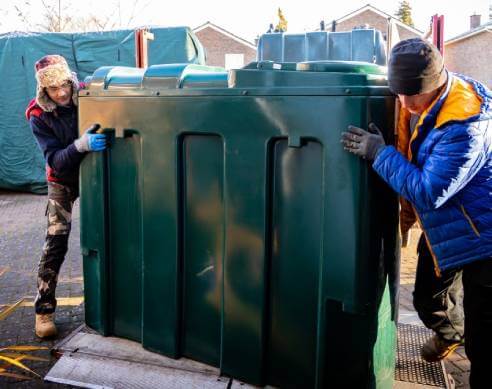
Replacing an oil tank is also an opportunity to check whether the existing location, base and pipework are suitable. Four checks can help prevent compliance and insurance problems later:
-
Assess the location
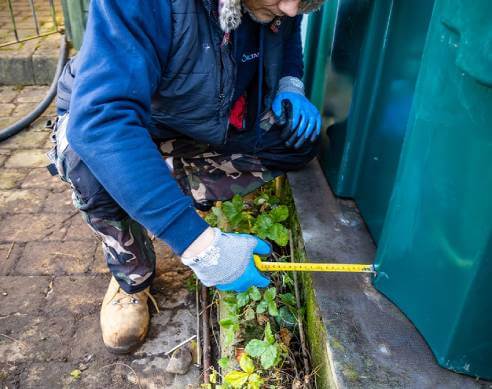
Check the tank capacity, base, access, nearby drains and water, and any signs of deterioration.
-
Use a competent installer
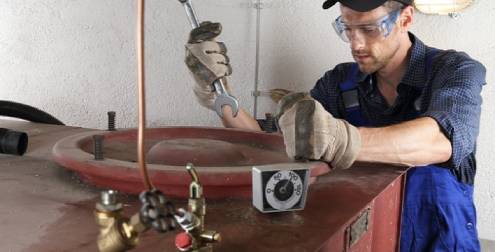
Arrange a site assessment covering the applicable rules, secondary containment and safe installation.
-
Confirm insurance and certification
Tell your insurer about material changes and ask how installation compliance will be documented.
-
Keep useful records
Retain the installation paperwork, maintenance reports and written confirmation of insurance cover.
Concerned about your existing oil tank?
Oil Tanks Plus can review your replacement requirements. The quick-quote form lets you upload photographs of your tank, base, pipework and access so the team can assess the installation more accurately.

Check your tank regularly
Look for cracks, bulging, unusual oil smells, staining, corroded fittings, damaged pipework, water in the bund and movement in the tank base. Arrange a professional tank inspection and maintenance when needed.
What if you suspect a leak?
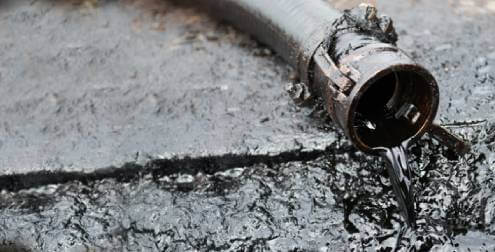
Do not arrange another oil delivery or continue normal use of a tank you think is leaking. If safe, try to prevent oil spreading into drains or water. Contact your insurer and a competent oil engineer or spill-response specialist promptly.
Do not attempt a major spill clean-up yourself. Read GOV.UK’s advice for a domestic oil spill.
Do I have to register my oil tank?
Not simply because it is a domestic bunded tank. Registration is different from the approval or certification of an installation.
Does replacing an oil tank need approval?
In England, replacements must meet Building Regulations. A suitably registered installer may self-certify; otherwise, Building Control involvement may be required.
Not necessarily. Bunding reduces some pollution risks, but premium and cover decisions are made by the insurer.
Will bunding prevent every oil spill?
No. Problems can still arise from pipework, fittings, filling accidents or poor maintenance. A properly installed bund is an extra containment measure, not a guarantee.
Further reading and sources
GOV.UK: Storing oil at home | OFTEC: Oil-spill insurance | Oil tank replacement guide | Tank removal and recycling
Guidance checked against the sources above on 12 November 2026. The regulatory thresholds quoted apply to England. This information is general guidance, not legal or insurance advice. Check the position for your location and policy.

25 years of oil tank experience
Oil Tanks Plus can help with oil tank replacement, installation and disposal across the UK. Get advice on choosing a suitable tank and arranging a replacement that meets your site’s requirements.
Share This: