

How Long Do Oil Tanks Last? Signs Yours May Need Replacing
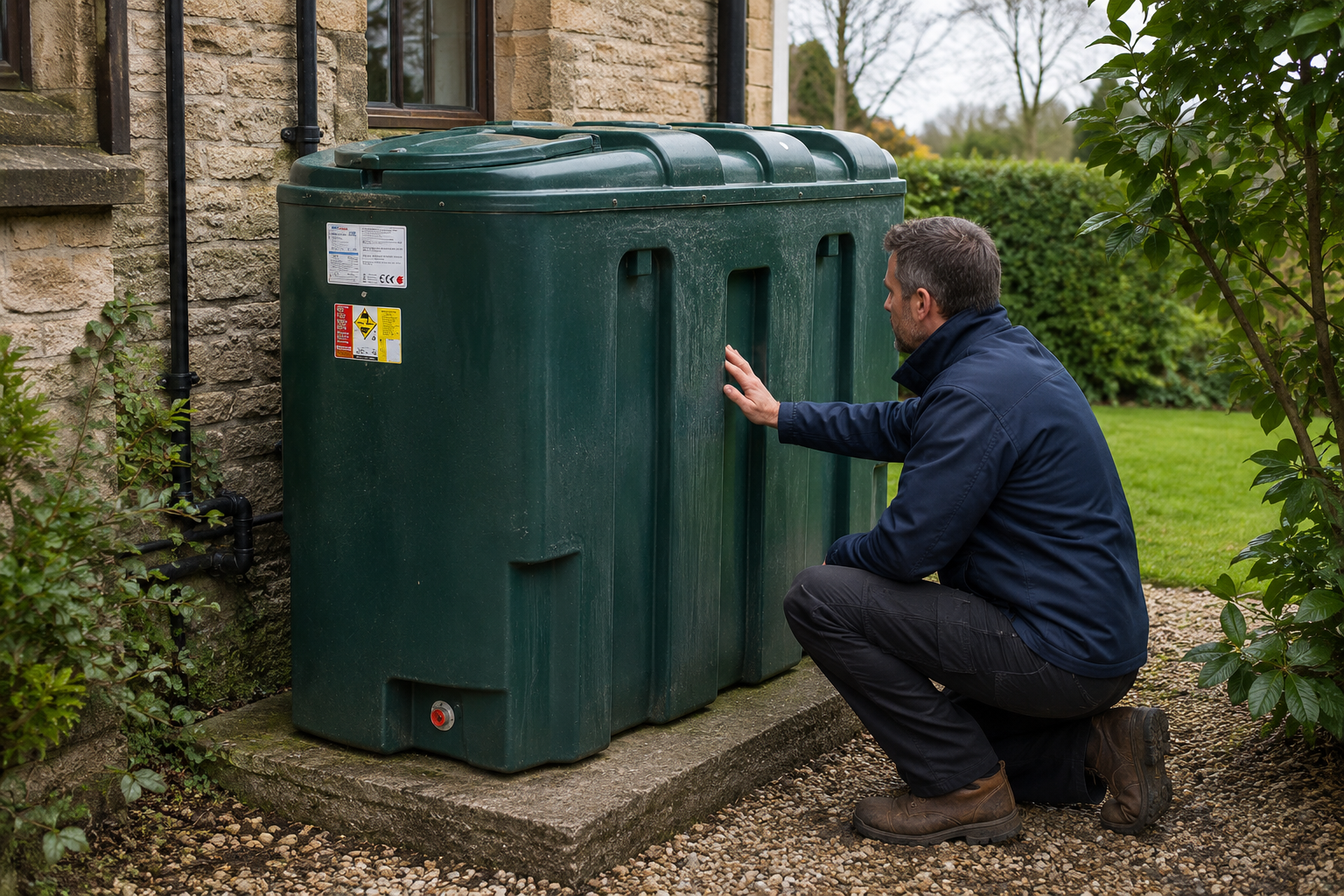
Most domestic heating oil tanks last around 10 to 20 years, but the safest answer depends on the tank material, installation quality, base, exposure to weather and how often it has been checked.
Age alone should never be the only test. The more important question is whether your oil tank is still safe, stable, compliant and reliable.
A tank may need replacing sooner if it is cracked, bulging, rusting, leaking, sitting on an unstable base, showing UV damage or giving off a strong heating oil smell. Waiting for a tank to fail can lead to heating disruption, fuel loss, pollution risk and expensive clean-up work.
Oil Tanks Plus helps UK homeowners with oil tank installation, oil tank replacement advice, oil tank maintenance and oil tank removal and recycling.
Quick answer: most domestic oil tanks last around 10 to 20 years. Plastic tanks are often closer to 10 to 15 years, while well-maintained steel bunded tanks can sometimes last longer. These are only typical estimates, so a professional inspection is the safest way to judge an older or damaged tank.
| Oil tank type | Typical lifespan | What affects it most |
|---|---|---|
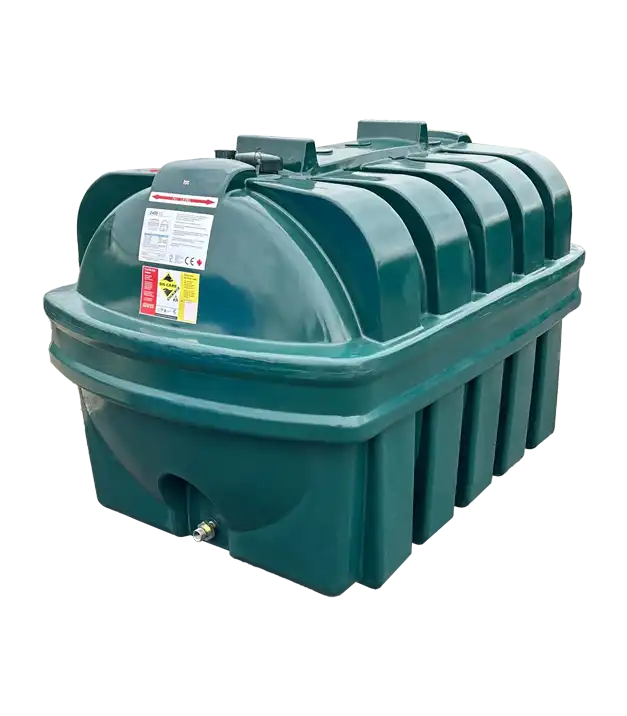
| Plastic single skin oil tank | Around 10 to 15 years | UV exposure, weathering, cracking and installation quality |
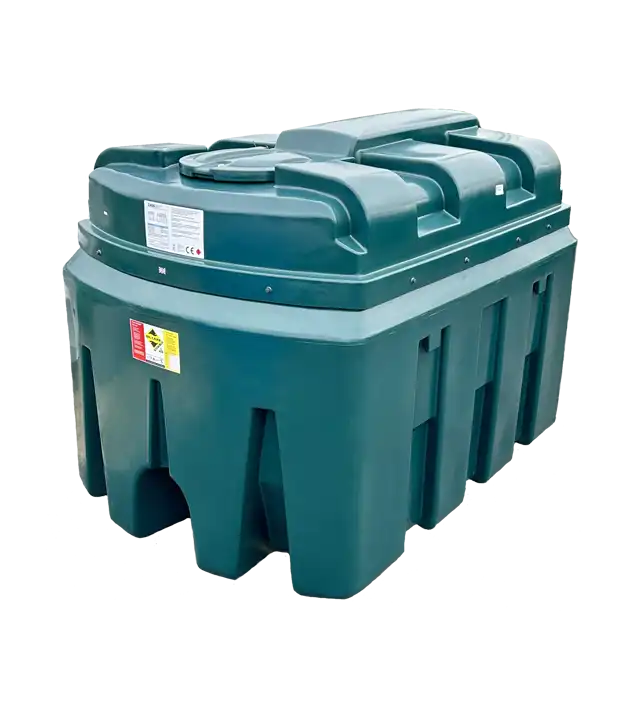
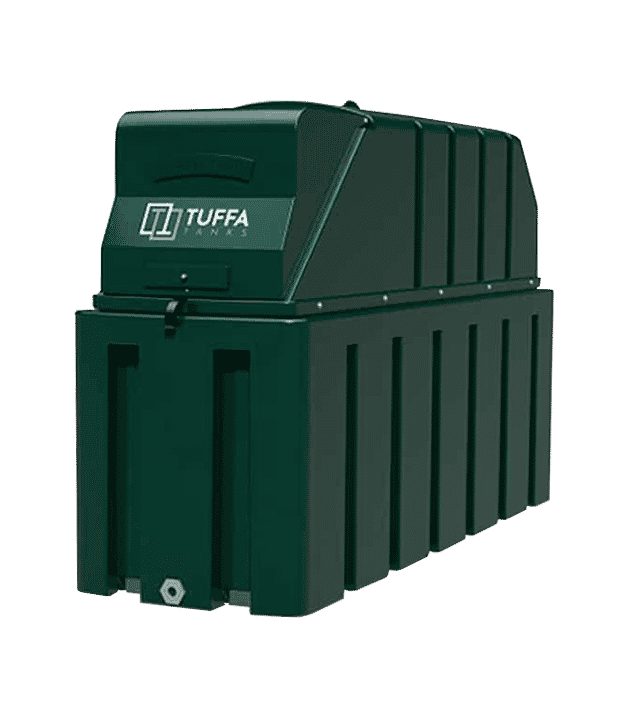
| Plastic bunded oil tank | Around 10 to 15 years, sometimes longer | Sunlight, surface damage, base condition and maintenance |
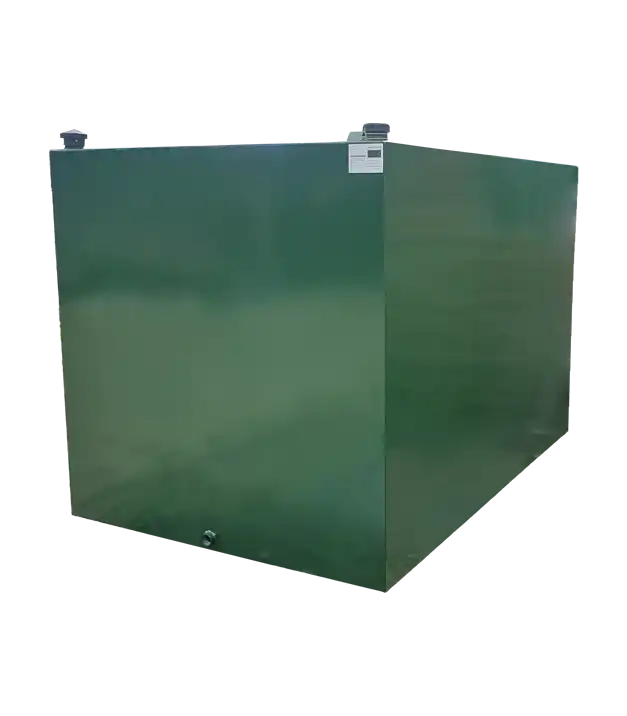
| Steel single skin oil tank | Around 10 to 20 years | Rust, corrosion, paint condition and water exposure |
| Steel bunded oil tank | Around 15 to 25 years or more | Corrosion protection, maintenance and site conditions |
Two tanks of the same age can be in very different condition. A tank on a solid base, with good access and regular checks, will usually age better than one exposed to harsh weather, poor support or neglected fittings.
Check the age
- Is the tank over 10 years old?
- Is it approaching 20 years old?
- Are you unsure when it was installed?
- Has a boiler engineer raised concerns?
Check the condition
- Cracks, splits, whitening or UV damage
- Bulging, warping or distortion
- Rust, pitting or flaking paint
- Oil staining, damp patches or fuel smells
Check the setup
- Cracked, sinking or uneven base
- Damaged pipework, valves or filters
- Faulty gauge or damaged cap
- Tank too close to drains or watercourses
Oil tank lifespan is affected by more than age. The main factors are the tank material, whether it is single skin or bunded, the base, site exposure and the quality of installation.
Plastic oil tanks
Plastic tanks are popular for domestic properties because they are lightweight and corrosion-resistant. Over time, however, long-term exposure to sunlight and weather can make plastic brittle, faded or cracked.
Steel oil tanks
Steel tanks can be strong and long-lasting, but they need protection from rust and corrosion. Paint damage, standing water, pitting or corrosion around seams and supports should be taken seriously.
Single skin or bunded design
A single skin tank has one layer of containment. A bunded oil tank has secondary containment, which helps protect the property and environment if the inner tank leaks. Bunded tanks are often the safer, more future-proof choice for replacement installations.
Base, location and maintenance
A tank should be properly supported on a firm, level and suitable base. Poor support can twist the tank body and damage fittings. Regular checks help spot cracks, oil smells, staining, water, sludge, damaged pipework and unstable bases before they become more serious.
Browse the Oil Tanks Plus oil tank range or ask for advice if your current tank no longer suits your property.
-
Your oil tank is over 10 to 20 years old
Age does not automatically mean a tank needs replacing, but older tanks need closer checks. If your tank is over 10 years old, inspect it more often. If it is close to 20 years old, arrange professional advice even if it looks acceptable.
-
Cracks, splits or visible damage
Cracks and splits are serious warning signs, especially on plastic tanks. Check the body, corners, seams, base, fill point, inspection lid and sun-exposed areas. A small crack can worsen quickly when the tank is full.
-
Bulging, swelling or distortion
A healthy plastic tank should keep its intended shape. Bulging sides, a dipped top or warping can suggest the structure has weakened because of age, poor support, UV damage or stress.
-
Rust or corrosion on a steel oil tank
Steel tanks should be checked for rust, pitting, bubbling paint, corrosion around welded seams, damaged supports and damp areas where water gathers. Deep corrosion can weaken the tank and eventually cause leaks.
-
Oil stains, damp patches or fuel smells
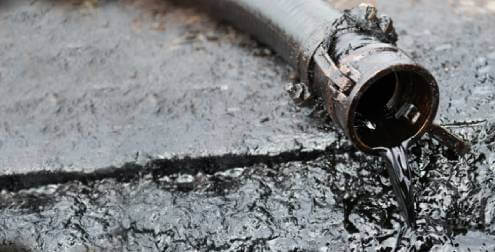
Dark stains, oily residue, dead grass, damp-looking soil, strong heating oil smells or unexplained fuel loss can all point to a leak. Treat any suspected leak as urgent and contact a professional.
-
The tank base is cracked, sinking or uneven
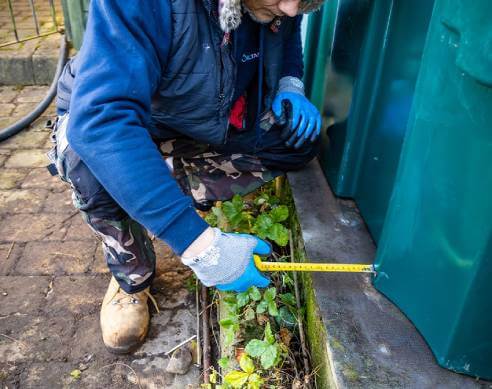
A full heating oil tank is extremely heavy. Cracked concrete, sinking ground, gaps under the tank, leaning, unstable support legs or a base that is too small can stress the tank and pipework.
-
Damaged pipework, valves or fittings
The tank body may look fine while nearby fittings are failing. Check visible pipework, filters, valves, caps, gauges and joints for cracks, rust, staining, looseness or poor support.
-
Your oil gauge is unreliable
A faulty gauge can lead to running out of oil, over-ordering or missing sudden fuel loss. It may not mean the tank itself has failed, but it should be checked, especially on an older installation.
-
Water or sludge is affecting the system
Water can enter through damaged lids, loose fittings, condensation or poor maintenance. Repeated boiler lockouts, blocked filters, dirty fuel or water in the bund can point to contamination that needs professional attention.
-
The tank no longer suits your property
Replacement may be sensible if the tank is an old single skin model, too close to drains or water, poorly positioned for deliveries, the wrong capacity, or unlikely to meet the outcome of a proper site risk assessment.
Not sure whether your oil tank is safe for another winter?
If you have noticed cracking, rust, oil smells, an unstable base, damaged pipework or repeated heating issues, get advice before ordering more heating oil.
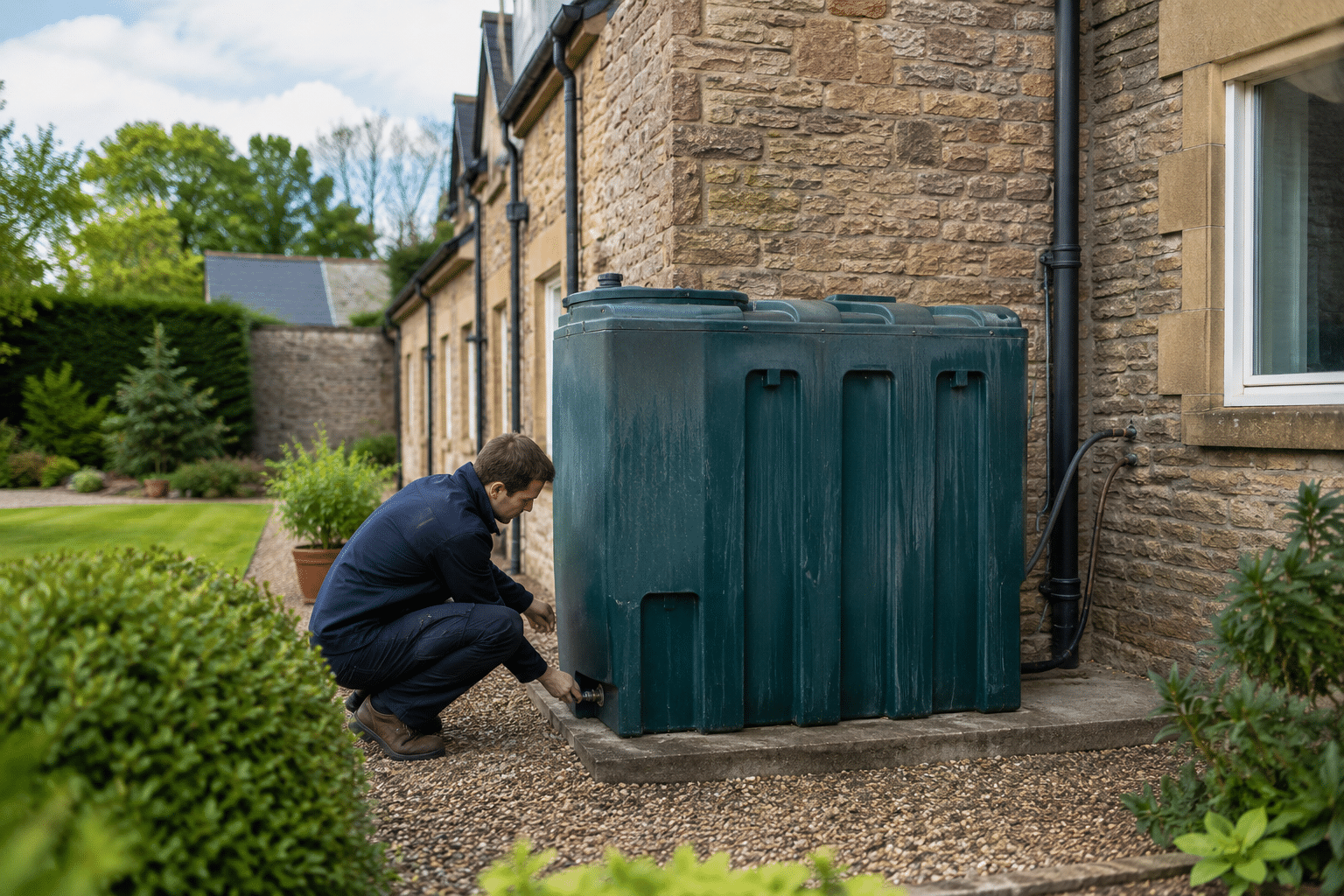
Yes, in most cases it is better to replace an ageing or damaged oil tank before it fails. A planned replacement is usually safer, cleaner and easier to manage than an emergency leak.
Waiting until a tank leaks can lead to heating disruption, oil loss, emergency callout costs, soil contamination, drain or watercourse pollution, insurance complications and expensive clean-up work.
The best time to replace an oil tank
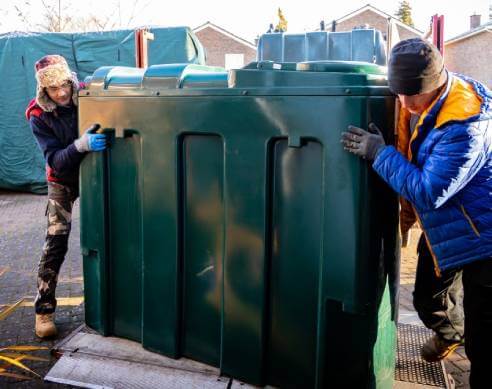
The best time is before winter and, ideally, before the tank is refilled. Spring and summer often give better access, lower heating demand and more time to deal with any base, pipework or location issues.
You should act sooner if the tank is already damaged, you can smell oil, the base is unstable, you have just moved into a property with an old tank, or you are unsure when the tank was installed.
Call a professional if you notice:
- Cracks, splits, bulging or distortion
- Rust, corrosion, pitting or damp seams
- Strong heating oil smells
- Oil stains, damp patches or dead vegetation
- A cracked, sinking or unstable base
- Damaged pipework, valves, filters or fittings
- Water, sludge or repeated boiler lockouts
- A sudden or unexplained drop in oil level
Do not attempt unsafe DIY repairs
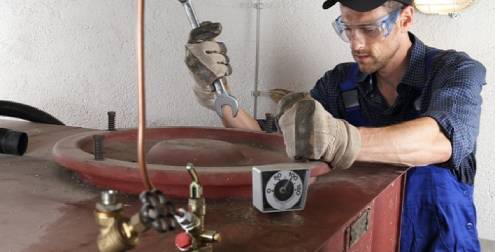
Visual checks are sensible, but structural tank damage, suspected leaks, fuel transfer, tank cleaning, oil disposal, base repairs and replacement decisions should be handled by a qualified specialist.
Do not use DIY sealants, temporary patches or homemade repairs on a leaking or deteriorating oil tank. These can fail, delay proper action and increase the risk of contamination.
If you suspect a leak, keep people and pets away, avoid ignition sources, stop oil reaching drains or water if safe to do so, and arrange urgent professional advice.
The right replacement tank depends on your property, capacity needs, access, base, fire separation distances and environmental risk. A site assessment helps confirm whether your current position is suitable or whether the new tank should be moved.
Minor issues with gauges, filters, valves or pipework may be repairable, but cracks, bulging, major rust, leaking seams, severe UV damage or failed bunding usually mean replacement is the safer long-term option.
Common replacement options
- Bunded oil tanks: often suitable for domestic and commercial sites because the outer bund provides secondary containment.
- Single skin oil tanks: only suitable in specific lower-risk domestic situations after proper assessment.
- Steel oil tanks: useful where strength, durability or bespoke sizing is required.
- Fire-rated oil tanks: useful where standard separation distances are difficult or additional fire protection is needed.
Oil Tanks Plus can help with installation, oil tank disposal, removal and recycling, maintenance and commercial oil tanks.

Oil tank replacement, installation and advice across the UK
Oil Tanks Plus is a family-owned business with over 25 years of experience helping homeowners and businesses with oil tank installations, replacements, removals, recycling and maintenance.
Our team can assess your current tank, advise on the most suitable replacement, arrange safe removal of the old tank and help you choose a tank that suits your property, access and heating demand.
Request an oil tank quote or contact Oil Tanks Plus for friendly advice on the safest next step.
The following sources are useful for general oil tank safety, storage, inspection, spill prevention and installation guidance:
- GOV.UK guidance on storing oil at your home or business
- GOV.UK oil storage rules for homes, businesses and public sector buildings
- OFTEC oil tank installation and domestic heating FAQs
- OFTEC troubleshooting advice for liquid fuel heating systems
- Natural Resources Wales guidance on checking household oil tanks for leaks
This article is general guidance for UK homeowners. Oil tank installation, repair, decommissioning, fuel handling and replacement decisions should be assessed by a competent professional.
How long does a plastic oil tank last?
A plastic oil tank usually lasts around 10 to 15 years, although this depends on installation quality, exposure to sunlight, weathering and maintenance. Check older plastic tanks for cracks, fading, whitening, brittleness, bulging and distortion.
How long does a bunded oil tank last?
A bunded oil tank usually lasts around 10 to 25 years depending on whether it is plastic or steel, how it was installed and how well it has been maintained. Bunded steel tanks can often last longer when properly protected from corrosion.
How do I know if my oil tank needs replacing?
Your oil tank may need replacing if it is cracked, bulging, rusting, leaking, giving off heating oil smells, sitting on an unstable base or showing signs of UV damage. Older tanks should be inspected more regularly.
Is a leaking oil tank dangerous?
Yes. A leaking oil tank can cause property damage, environmental pollution, heating disruption and expensive clean-up costs. If you suspect a leak, keep people and pets away, avoid ignition sources and contact a professional immediately.
Can I repair an old oil tank instead of replacing it?
Some minor issues with gauges, filters, valves or pipework may be repairable. Structural damage such as cracks, bulging, major corrosion, leaking seams or failed bunding usually means replacement is the safer option.
Do I need a bunded oil tank?
A bunded tank may be required or strongly recommended depending on capacity, distance from drains or watercourses, ground conditions and the outcome of a site risk assessment. Even where a single skin tank may be allowed, a bunded tank is often the safer long-term choice.
Can I replace my oil tank myself?
Oil tank replacement should be handled by a qualified professional. The work needs to consider building regulations, environmental risk, fire safety distances, base suitability, pipework, fuel transfer and safe disposal of the old tank.
How often should an oil tank be inspected?
Homeowners should visually check their oil tank regularly and arrange professional inspection or servicing at least annually. Older tanks, exposed tanks and tanks showing warning signs may need more frequent checks.
Who should I contact if I think my oil tank needs replacing?
Contact an oil tank specialist who can inspect the tank, assess the site and recommend the safest replacement option. Oil Tanks Plus can help with oil tank replacement, installation, disposal and recycling across the UK.
Share This: